Best Time to Visit Cambodia: Weather and Seasons, Month by Month
When to visit Cambodia: the cool dry season, the hot season and the green season explained, with month-by-month weather, the best time for Angkor, the islands and each region, and festival dates to plan around.
7min readSep 2026Updated
In short
The best time to visit Cambodia is the cool, dry season from November to February, with sunny days, low humidity and highs of around 30 to 32°C. March to May is hot and dry, peaking at around 36°C in April. The green season from June to October brings afternoon rain, lush landscapes, fewer crowds and lower prices.
The best time to visit Cambodia for most travellers is the cool, dry season from November to February, when days are sunny, humidity is lower and the temples, islands and cities are all at their most comfortable. But Cambodia is a year-round destination. The hot months of March to May bring festivals and low water on the Mekong, and the green season from June to October turns the countryside a brilliant emerald, fills the waterfalls and empties the temples of crowds.
Nov to FebCool, dry and sunny
Mar to MayHot, dry, festival season
Jun to OctGreen season, fewer crowds
Up to 36°CDaytime highs in April
SepUsually the wettest month
The quick answer
If you can choose any time, come between late November and February. This is peak season for good reason: rain is rare, mornings are fresh enough for sunrise at Angkor Wat, and the sea on the south coast is calm. Book guides, hotels and island stays early, especially over Christmas, New Year and Chinese New Year.
If you prefer fewer people and lower prices, look at the shoulder months: early November, and May into June. And if you want Cambodia at its most beautiful and peaceful, and do not mind an afternoon shower, the green season from July to October is a quiet favourite of ours.
If you want
Come in
The most comfortable weather
December and January
Fewer crowds at Angkor
June to September
Lush rice fields and full waterfalls
August to October
The islands at their best
December to April
Khmer New Year
Mid-April
The Water Festival
October or November, depending on the moon
The lowest prices
May to September
Cambodia’s three seasons
Cambodia has a tropical monsoon climate. It is warm all year, and the seasons are defined by rain rather than temperature. Locals speak of two seasons, wet and dry, but for travellers it helps to split the dry season in two.
November to February
Cool and dry
The high season. Daytime highs of around 30 to 32°C, cooler nights, low humidity and very little rain. The landscape is still green in November and turns golden as the rice is harvested.
March to May
Hot and dry
Temperatures climb steadily, peaking in April with highs of around 35 to 36°C. Fields are dry and dusty, rivers are low and it is festival time. Plan early starts and a long lunch break.
June to October
Green season
The south-west monsoon brings rain, usually as a heavy afternoon or evening downpour rather than all-day drizzle. The countryside is lush, the Tonle Sap swells and crowds thin out. September and October are the wettest months.
Good to know
Rain rarely lasts all day. Even in the wettest months most mornings are dry, which is when we plan temple visits and outdoor activities.
The seasons vary a little each year. The rains can arrive early in May or linger into November, so we always check the forecast before your trip.
Heat matters more than rain. Many travellers find April’s heat harder than the green season’s showers.
Cambodia weather month by month
Temperatures below are typical for Siem Reap, which is close to the average for the lowlands where most travellers spend their time. Phnom Penh is similar. The coast is slightly milder but wetter in the monsoon, and the north-eastern highlands of Mondulkiri are noticeably cooler.
Month
Weather
What it is like to travel
January
Dry, sunny, highs around 31°C
Ideal weather and peak season. Book ahead.
February
Dry, warming up, highs around 33°C
Excellent. Chinese New Year can make it busy.
March
Hot and dry, highs around 35°C
Good value as crowds ease. Early starts help.
April
The hottest month, highs around 36°C
Khmer New Year. Very hot; pace your days.
May
Hot, first storms arrive
Quiet and cheaper. Storms freshen the air.
June
Green season begins, afternoon rain
Fields turn green, temples are calm.
July
Regular showers, warm and humid
Beautiful landscapes and low prices.
August
Wet, rain most afternoons
Lush and quiet. Waterfalls are flowing.
September
Usually the wettest month
Some rural roads are muddy; the Tonle Sap is full.
October
Wet early, drying later
Pchum Ben festival. Floods possible in low areas.
November
Rains end, cooler and clear
A lovely month: green fields and blue skies.
December
Dry, the coolest month, highs around 30 to 32°C
Peak season, especially over the holidays.
The best time to visit each region
Siem Reap and Angkor
November to February
Cool mornings for sunrise at Angkor Wat and comfortable days among the temples. The green season is wonderful too: moss-covered Ta Prohm, reflections in the moats and far fewer people.
Phnom Penh
November to March
The capital is a year-round city, but the dry months are easiest for walking the riverfront and visiting the Royal Palace. In the green season, plan indoor sights for the afternoon.
Kampot and Kep
November to May
Dry, sunny weather for the pepper farms, Bokor and the Kep crab market. The coast catches the brunt of the monsoon from June to October.
The islands
December to April
Calm seas, clear water and reliable ferries to Koh Rong and Koh Rong Sanloem. From July to October the sea can be rough and some island businesses close.
Battambang and the north-west
November to March
Pleasant for cycling the countryside, the bamboo train and Phnom Sampeau. Just after the rains, the rice fields are at their greenest.
Mondulkiri and Kratie
November to April
The highlands are cooler all year and at their best in the dry season, when jungle trails and roads are easier. The Irrawaddy dolphins at Kampi are easiest to see when the Mekong is low, from about February to May.
The best time for what you want to do
Interest
Best time
Why
Temples
Nov to Feb, or the green season
Cool mornings in the dry season; fewer people and vivid greens in the wet.
Angkor Wat equinox sunrise
Around 20 to 22 March and September
The sun rises directly over the central tower.
Beaches and islands
Dec to Apr
Calm seas, clear water and sunshine.
Tonle Sap floating villages
Aug to Dec
High water means the villages float and boats go further. In the dry season some channels are too shallow.
Green fields, dramatic skies and clear air after the rains.
Festivals and holidays to plan around
Cambodia’s biggest festivals follow the lunar calendar, so exact dates change each year. They are wonderful to experience, but businesses close and roads and buses fill up as families travel home. Book transport and hotels early. Browse our festival experiences for trips built around them.
January or February Chinese and Vietnamese New Year, celebrated widely in the cities, with busy hotels.
Mid-April Khmer New Year (Choul Chnam Thmey), three days of family visits, pagoda offerings and water fights. Phnom Penh empties; Siem Reap and Angkor are lively.
April or May Visak Bochea, marking the Buddha’s birth, enlightenment and death, and the Royal Ploughing Ceremony, which opens the rice-planting season.
September or October Pchum Ben, a fifteen-day festival honouring ancestors, ending in three public holidays when pagodas are full at dawn.
October or November The Water Festival (Bon Om Touk), with boat races, lights and fireworks, marking the reversal of the Tonle Sap river.
Is the rainy season worth it?
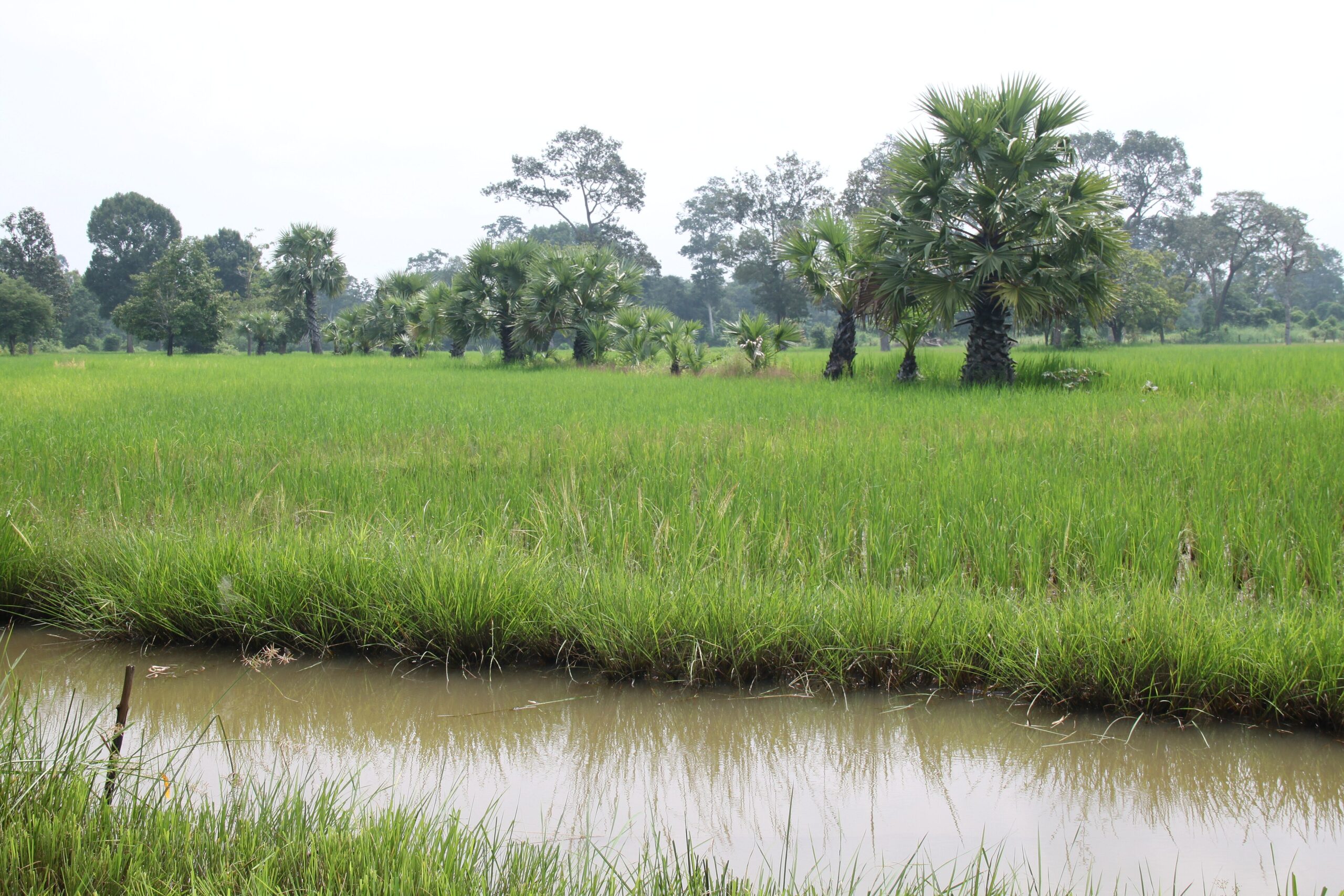
For many travellers, yes. The green season is Cambodia’s best-kept secret. The rice fields are a vivid green, the temples are quiet enough to hear the birds, hotels are cheaper, and the air is clear after each storm. Rain usually comes in a short, heavy burst in the afternoon or evening, leaving mornings free for sightseeing.
Why we love it
Temples with a fraction of the crowds
Lush landscapes and full waterfalls
Lower prices on hotels and some tours
Floating villages at their most impressive
Dramatic skies for photography
What to consider
Some rural roads become muddy or impassable
Rough seas can disrupt island ferries
Humidity is high
More mosquitoes, so bring repellent
Some beach businesses close
We adjust every green-season itinerary: temples in the morning, museums, markets and cooking classes in the afternoon, and flexible days for the coast and remote areas.
Our advice for every season
Planning tips from our team
Start early. In every season, the hours from sunrise to about 10 am are the coolest and the quietest at the temples.
Book ahead for peak dates. Christmas, New Year, Chinese New Year and Khmer New Year sell out, especially on the islands.
Dress for heat and respect. Light, breathable clothes that cover shoulders and knees work for temples and pagodas all year.
Carry rain gear from May to October. A light rain jacket or poncho and quick-dry shoes are all you need.
Drink plenty of water. Heat exhaustion is the most common problem we see, especially in March and April.
Stay flexible. Weather can change plans. A private itinerary lets us move a boat trip or temple visit to the best day.
For visas, money, SIM cards and getting around, see our travel essentials. To see how the seasons shape real journeys, browse our tailor-made packages.
Planning your dates?
Tell us when you can travel and what you want to see. We will suggest the best route for that season and send a costed, tailor-made itinerary within 24 hours. Plan your trip or use the form on this page.
Questions travellers ask
What is the best month to visit Cambodia?
December and January offer the most comfortable weather, with dry, sunny days and cooler mornings. November and February are also excellent and slightly less busy.
What is the rainy season in Cambodia?
The rainy or green season runs from about June to October. Rain usually falls as short, heavy afternoon or evening showers, and September and October are typically the wettest months.
What is the hottest month in Cambodia?
April is usually the hottest month, with daytime highs of around 35 to 36°C in Siem Reap and Phnom Penh.
Is it worth visiting Cambodia in the rainy season?
Yes, for many travellers. The countryside is lush, waterfalls are full, temples are quieter and prices are lower. Mornings are usually dry, so sightseeing works well with some flexibility.
When is the best time to visit Angkor Wat?
November to February for cool, dry weather. For fewer crowds, visit in the green season from June to September. Around the March and September equinoxes, the sun rises directly over Angkor Wat's central tower.
When is the best time to visit the Cambodian islands?
December to April, when the sea is calm and clear. From July to October the sea can be rough and some ferries and island businesses reduce services.
When is Khmer New Year?
Khmer New Year is celebrated for three days in mid-April each year. Many businesses close and transport is busy as families travel home.
When is the Water Festival in Cambodia?
The Water Festival (Bon Om Touk) follows the lunar calendar and falls in October or November, with boat races, lights and fireworks, especially in Phnom Penh and Siem Reap.
Free, no-obligation enquiry
Tell us about your trip
Enquiry received
Thank you — a local specialist will be in touch within 24 hours.