A cool, green day away from the temples, with a swim
National parks and natureType
In short
Phnom Kulen National Park is a sacred sandstone plateau 48 km north-east of Siem Reap where Jayavarman II declared himself universal monarch in 802, the event traditionally seen as the founding of the Khmer Empire. Visitors come for the reclining Buddha of Preah Ang Thom, the riverbed carved with lingas and the waterfalls, where you can swim. Entry costs $20 for foreigners, is not covered by the Angkor Pass, and the one-way road up closes around 11:00 am.
Svay Leu district, 48 km north-east of Siem Reap, 1.5 to 2 hours by car
Entry fee
$20 for foreign visitors; free for Cambodians
Angkor Pass
Not valid; Phnom Kulen charges separately
Road up
One-way uphill in the morning; arrive at the ticket office by about 10:30 am
Road down
One-way downhill from around midday
Highlights
Preah Ang Thom reclining Buddha, river of a thousand lingas, waterfalls
Waterfalls
Upper fall 4 to 5 m; main fall 15 to 20 m high
Best season
July to November for the waterfalls
Time needed
A full day
Dress
Cover shoulders and knees; swim in shorts and T-shirt
Phnom Kulen National Park protects the sandstone plateau north-east of Siem Reap where, in 802, Jayavarman II declared himself universal monarch and founded the Khmer Empire. Today Phnom Kulen is Cambodia’s most sacred mountain, with a giant reclining Buddha, a riverbed carved with a thousand lingas and waterfalls you can swim beneath.
802Birth of the Khmer Empire
48 kmFrom Siem Reap
$20Entry, not on the Angkor Pass
374 km²National park since 1993
Full dayTime to allow
For Cambodians, Phnom Kulen is a pilgrimage, and at weekends and on holidays the mountain fills with families who come to pray, bathe in the holy river and picnic by the falls. For visitors it is a welcome change from the temples: cooler air, green forest, and the chance to swim.
The mountain where Angkor began
Kulen means “lychee” in Khmer, and the plateau is still dotted with lychee orchards. In Angkorian times it was called Mahendraparvata, the mountain of the great Indra. Its sandstone quarries supplied many of the great temples of Angkor, and its rivers feed the Siem Reap River that once filled the city’s reservoirs.
802
Jayavarman II holds a ceremony on the mountain and declares himself chakravartin, “king of kings”, independent of Java. Khmer historians treat this as the founding of the Khmer Empire.
Angkorian period
Lingas, yonis and Hindu deities are carved into the bed of the river, so that the water flowing down to Angkor is blessed.
Post-Angkorian period
A monastery grows up on the summit, and a huge reclining Buddha, thought to date from the 16th century, is carved from a boulder. Preah Ang Thom becomes the heart of the pilgrimage.
1936
French archaeologist Philippe Stern visits and describes the temple of Rong Chen as the first Khmer temple-mountain.
1993
Phnom Kulen National Park is established, covering 373.76 square kilometres.
2013
Archaeologists using airborne lidar reveal the lost city of Mahendraparvata beneath the forest, including around 30 previously unknown temples.
What to see on Phnom Kulen
Pilgrimage
Preah Ang Thom
The reclining Buddha carved into the top of a huge sandstone boulder, reached by a steep stair from the pagoda below. It is the most sacred site on the mountain.
Sacred river
The thousand lingas
Just below the pagoda, the clear, shallow river flows over rows of carved lingas and yonis, and images of Vishnu. Pilgrims bottle the holy water to take home.
Swim here
The waterfalls
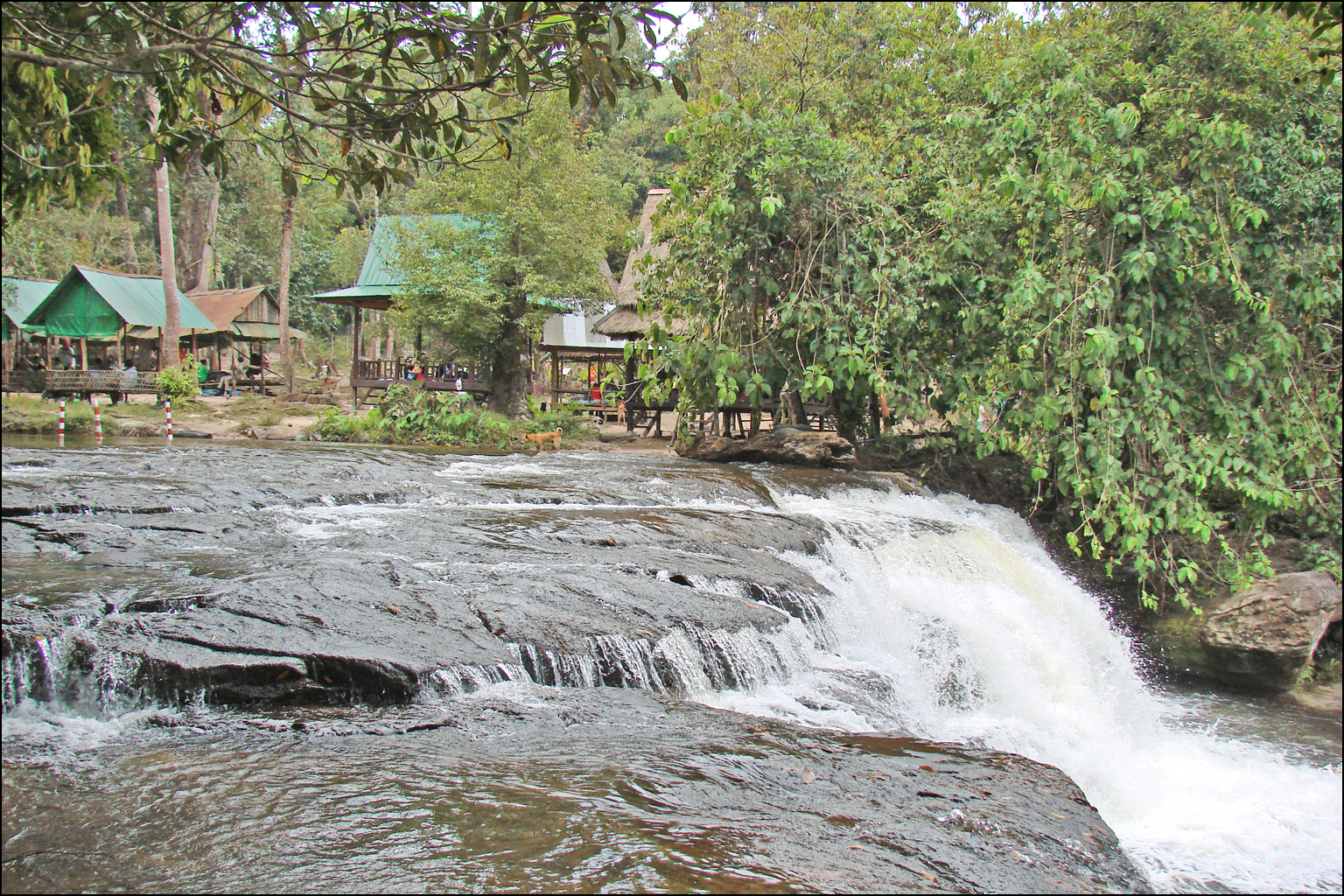
Two main falls: an upper fall 4 to 5 metres high and around 25 metres wide, and the main fall 15 to 20 metres high, with a pool beneath where you can swim.
Stone animals
Srah Damrei
The “elephant pond”, with large elephants carved from the rock in the forest. A walk or motorbike ride from the main sites; ask your guide.
For temple lovers
Ancient temples
Brick towers and temple-mountains from the time of Jayavarman II, such as Rong Chen, lie scattered in the forest. Most need a local guide and a good pair of shoes.
On the way
Banteay Srei and Kbal Spean
Banteay Srei, the finest carved temple of Angkor, lies about 25 kilometres from the park. Kbal Spean, another riverbed of carvings on the western slopes, is a separate site.
Tickets, road rules and hours
Entry fee
$20 for foreign visitors; free for Cambodians
Angkor Pass
Not valid. Phnom Kulen is managed separately and charges its own fee
Where to buy
At the ticket office at the foot of the mountain, or through your tour operator or hotel
What it covers
Preah Ang Thom, the river of lingas, the waterfalls and the main trails
Road up
One-way, uphill in the morning only. Reach the ticket office by about 10:30 am, as the upward road closes around 11:00 am
Road down
One-way, downhill from around midday
Distance
48 km from Siem Reap, 1.5 to 2 hours by car; the final climb takes about 20 minutes
Time needed
A full day, or most of one
Getting there. The drive from Siem Reap runs north through rice fields and villages, past the turning for Banteay Srei, before the road climbs through forest to the plateau. A private car or van is the most comfortable way to go. A tuk-tuk is possible but slow, dusty and tiring on the steep final section, so we do not recommend it for a day trip.
The road rules and fees are set locally and can change, so confirm them before you set out. Most important of all: do not arrive late, or you will not be allowed up.
Best time to visit
The waterfalls are at their fullest in the rainy season, roughly from July to November, when the forest is lush and the pools are deep. In the dry months, particularly March to May, the flow can shrink to a trickle, but the Buddha and the carvings are easier to see in the clearer, lower river.
Our advice
Leave Siem Reap by 7:30 am. You will be well ahead of the road cutoff and enjoy the pagoda before the crowds.
Visit on a weekday. Weekends and Khmer holidays are busy with Cambodian families, which is fun but crowded.
Bring swimwear and a change of clothes. Swim in modest clothing such as shorts and a T-shirt.
Wear shoes that grip. The sandstone near the water is slippery.
Carry small notes. For offerings, food stalls and parking.
Swimming and etiquette
Phnom Kulen is a holy mountain, and the river is sacred to both Buddhists and Hindus. Visitors are warmly welcome, but please treat it as a place of worship as well as a beauty spot.
Please do
Cover shoulders and knees at Preah Ang Thom
Take off your shoes before climbing to the Buddha
Swim in shorts and a T-shirt, as Cambodians do
Take your rubbish back down the mountain
Please don’t
Wear swimwear away from the water, or bikinis in the pool
Stand or climb on the carved lingas
Point your feet towards the Buddha when you sit
Wander off marked paths; parts of the plateau were mined during the war, so walk remote tracks with a guide
A day on the mountain
7:30 am Leave Siem Reap by car
9:15 am Buy tickets at the foot of the mountain and drive up the one-way road
9:45 am Climb to Preah Ang Thom and the reclining Buddha
10:45 am Walk the river of lingas below the pagoda
11:30 am Swim at the waterfall, then lunch at the stalls by the falls
1:30 pm Drive down and on to Banteay Srei in the afternoon light
5:00 pm Back in Siem Reap
Kulen fits naturally with Banteay Srei and, for keen walkers, the carvings of Kbal Spean. If you want to go deeper, overnight homestays and guided hikes on the plateau are possible, and our adventure experiences include longer walks. For the nearby temples, see Beng Mealea, which also lies at the foot of the Kulen hills.
Visiting with My Travel Factory
We plan Phnom Kulen around the road rules and the crowds, with an early private car, a guide who knows the pilgrimage and a stop at Banteay Srei on the way back. It is part of our Siem Reap Green Journey and our Cradle of the Khmer itinerary, and can be added to any Siem Reap stay. Ask us to build the day for you.
Questions travellers ask
What is Phnom Kulen?
A sacred sandstone plateau north-east of Siem Reap, protected as a national park since 1993. It is where the Khmer Empire was founded in 802 and is Cambodia's holiest mountain.
How much is the Phnom Kulen entrance fee?
$20 per foreign visitor, paid at the ticket office at the foot of the mountain or through a tour operator. Cambodians enter free.
Is Phnom Kulen included in the Angkor Pass?
No. Phnom Kulen is managed separately and charges its own $20 fee.
How far is Phnom Kulen from Siem Reap?
About 48 km, which takes 1.5 to 2 hours by car.
What time does the Phnom Kulen road close?
The road is one-way. Traffic goes up in the morning only, so reach the ticket office by about 10:30 am, as the upward road closes around 11:00 am. The road down opens from around midday.
Can you swim at Phnom Kulen waterfall?
Yes, in the pool below the main waterfall. Swim in modest clothing such as shorts and a T-shirt, as it is a sacred site.
When is the best time to visit Phnom Kulen?
From July to November, when the waterfalls are fullest. Go on a weekday and leave Siem Reap early.
What is the River of a Thousand Lingas?
A stretch of river on Phnom Kulen where lingas, yonis and Hindu images were carved into the riverbed in the Angkorian period so that the water flowing to Angkor would be blessed.
How big is the reclining Buddha at Phnom Kulen?
It is the largest reclining Buddha in Cambodia, carved into the top of a sandstone boulder at Preah Ang Thom and reached by a stairway.
What should I wear to Phnom Kulen?
Clothes that cover shoulders and knees for the pagoda, shoes that grip on wet rock, and modest swimwear.
Can I combine Phnom Kulen with Banteay Srei?
Yes. Banteay Srei is about 25 km from the park and makes a good afternoon stop on the way back to Siem Reap.
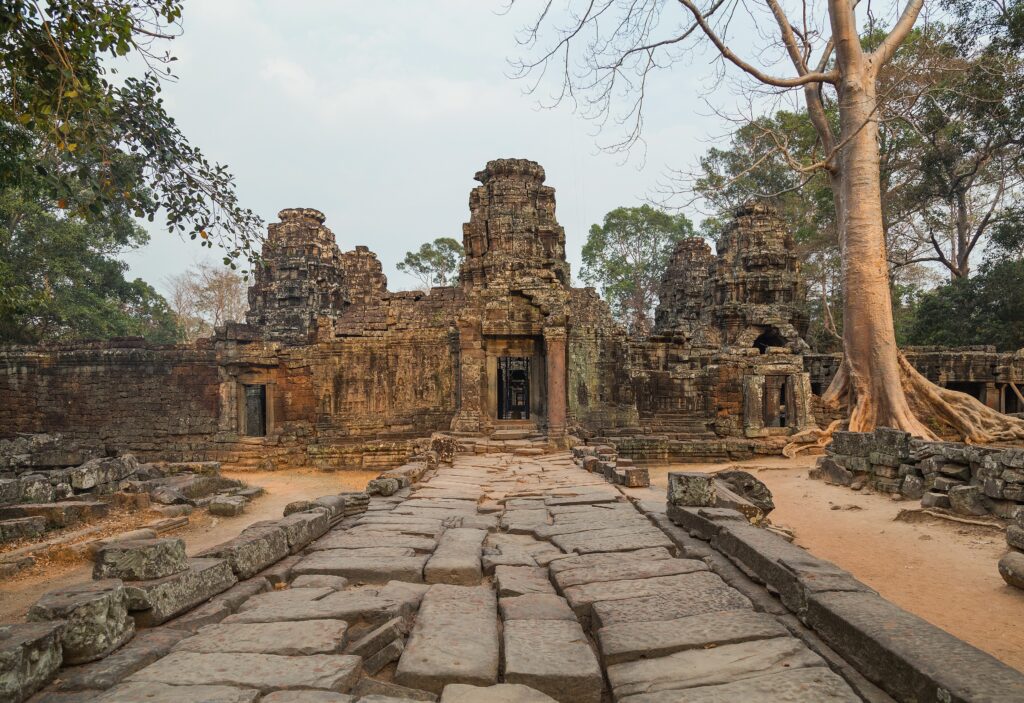
Banteay Kdei is a late 12th-century Buddhist monastery temple in the Angkor Archaeological Park, built by King Jayavarman VII in the Bayon style. It lies just…
Where
Small Circuit, Angkor Archaeological Park, just east of Ta Prohm
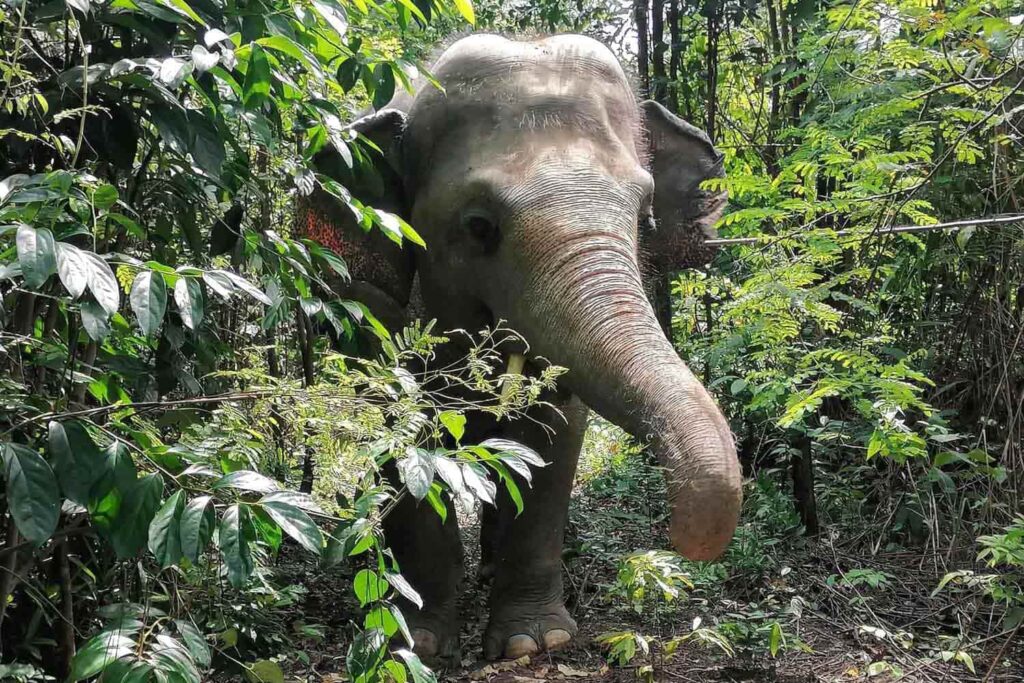
Cambodia Wildlife Sanctuary is an elephant rescue and forest conservation project about 100 km north of Siem Reap, developed with the Save Elephant Foundation. It protects…
Where
About 100 km north of Siem Reap, on the edge of Kulen Promtep Wildlife Sanctuary