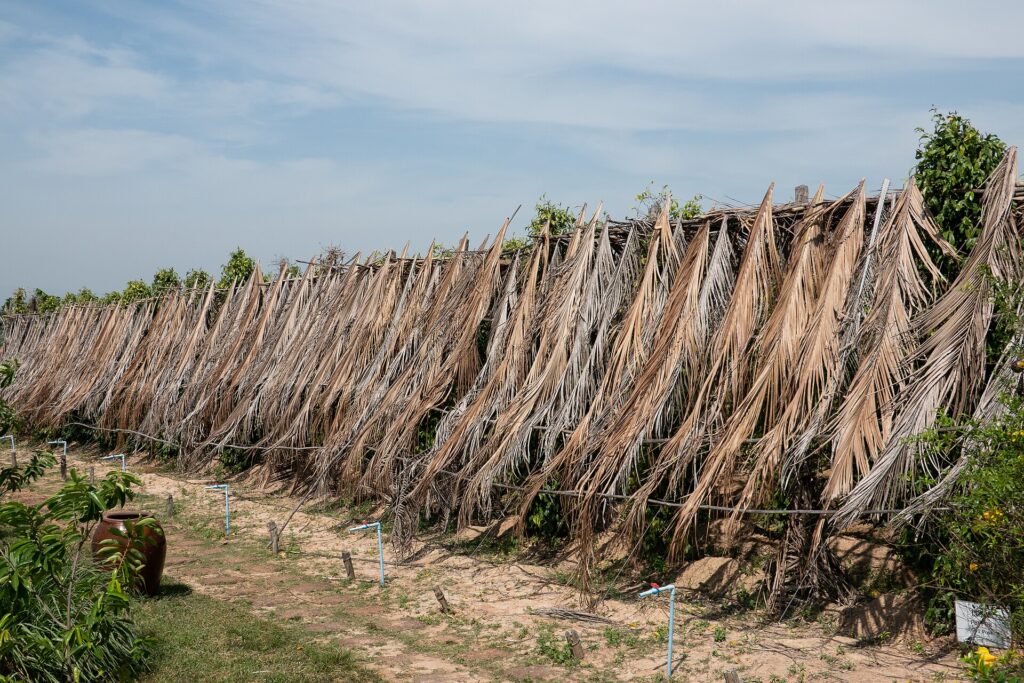
Bokor National Park (Preah Monivong Bokor National Park) is a protected area of about 1,544 square kilometres above Kampot in southern Cambodia. Its sandstone plateau, about 1,000 metres high, holds the ruins of a 1920s French hill station, the cliff-top Wat Sampov Pram pagoda, the 29-metre Lok Yeay Mao statue and wide views over the Gulf of Thailand. It is reached by a 30 km sealed road from near Kampot, about an hour's drive.
Plateau about 1,000 metres; highest point 1,081 metres
Getting there
8 to 10 km from Kampot to the gate, then 30 km of sealed switchbacks
Time needed
Half a day, or a full day with lunch and the waterfall
Entry
No park entrance fee at the time of writing; confirm locally
Best season
November to April for views; wet season for the waterfall
Best time of day
Morning, before cloud builds
Bring
A warm layer and rain jacket
Bokor National Park rises straight out of the plain behind Kampot to a sandstone plateau about 1,000 metres high. Up there sit the ruins of a French hill station abandoned twice over, a cliff-edge pagoda, a rebuilt palace hotel and some of the widest views on the Cambodian coast. It is the classic half-day or full-day trip from Kampot, and the cool air alone makes the climb worthwhile.
1,544 km²National park area
1,081 mHighest point, Phnom Bokor
1925Bokor Palace Hotel opens
30 kmSealed road to the plateau
1993Declared a national park
The official name is Preah Monivong Bokor National Park, after the king who loved the mountain. Most people simply call it Bokor, or Bokor Mountain. Expect a strange and memorable mix: moss-covered colonial stone, a working Buddhist monastery, a giant modern statue, a casino resort and genuinely wild forest, often all wrapped in drifting cloud.
History of the hill station
The French built Bokor as a place to escape the heat of the lowlands, in the same spirit as Dalat in Vietnam. The cost was brutal. The road and buildings were raised by forced labour in remote, malarial country, and according to widely cited accounts about 900 people died in nine months during construction.
1917 to 1921
The French administration begins work on the plateau, and labourers cut the switchback road up the mountain from the Kampot plain.
1924
King Sisowath Monivong commissions the monastery that becomes Wat Sampov Pram.
1925
The Bokor Palace Hotel is inaugurated as the centrepiece of the hill station, alongside a church, post office and villas.
Late 1940s
The French abandon the resort as the First Indochina War and local insurgency make the mountain unsafe.
1962
Under Prince Norodom Sihanouk the station is revived, with new hotels and a casino near the lake. The royal summer residence now known as the Black Palace dates from the Sihanouk era.
1972
The Khmer Rouge take control of the plateau and the resort is abandoned a second time.
1979 to early 1990s
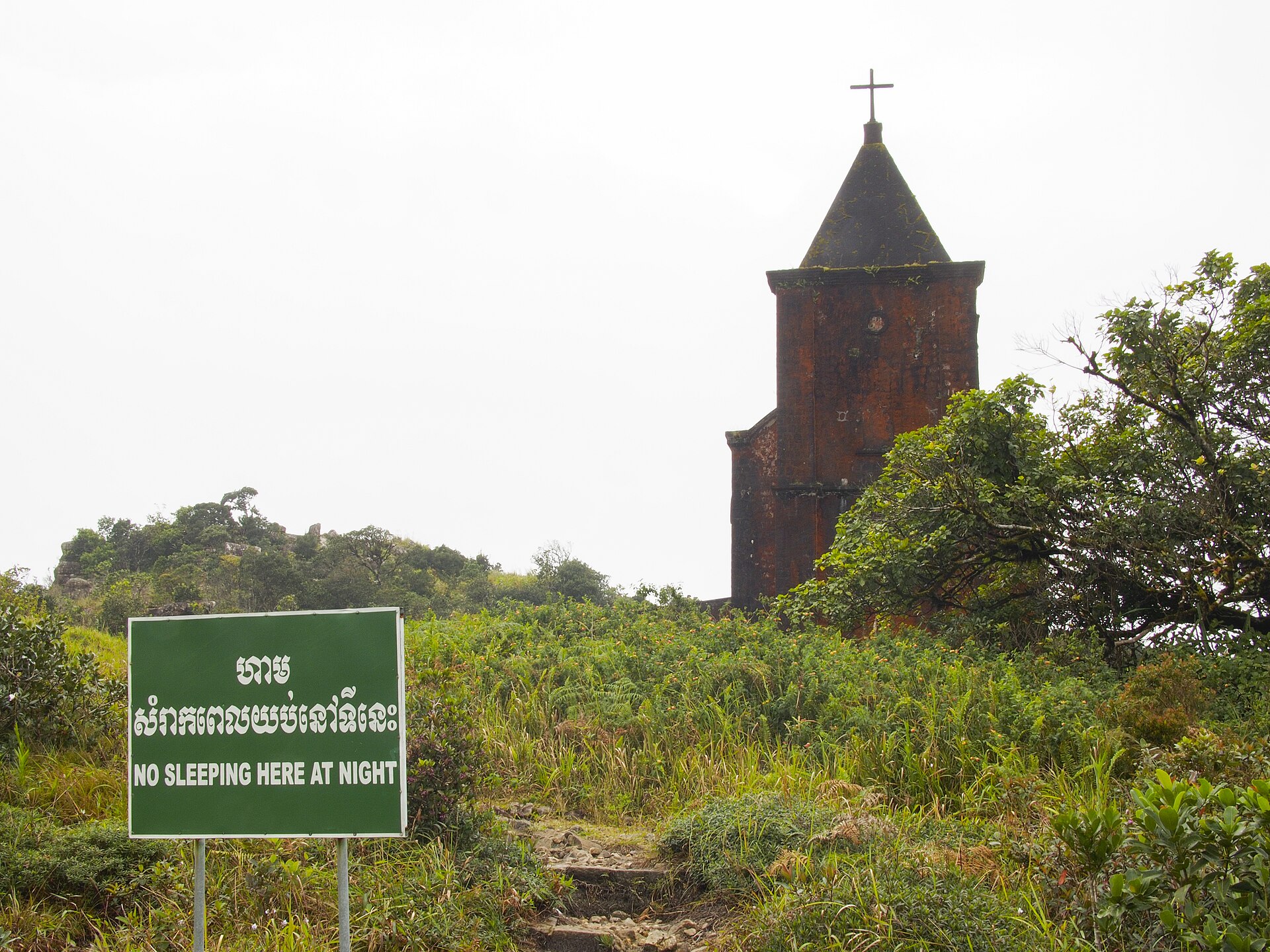
Vietnamese forces hold the hilltop while Khmer Rouge units remain in the forest. Fighting leaves bullet scars still visible on the church.
1993
The area is protected as Preah Monivong Bokor National Park.
2008 onwards
A private developer takes a long lease on the plateau. A casino hotel opens in 2012, the old Palace Hotel is restored, and new roads, villas and a large statue follow.
That last chapter divides opinion. The ghostly, empty hill station that backpackers remember from the 2000s has gone, and parts of the plateau now feel like a construction zone. The old buildings and the forest are still there, though, and the road that replaced the old rutted track makes the mountain far easier to reach.
What to see on the mountain
The main sights are spread out along the plateau road, several kilometres apart, so you need wheels for the day. Most visitors see them in roughly this order on the way up.
On the climb
The Black Palace
A royal summer residence, now an empty shell of weathered concrete in the grass below the summit. Walk through the open rooms for glimpses down to the sea through the window frames.
Landmark
Lok Yeay Mao statue
A 29-metre seated figure of Lok Yeay Mao, a protective spirit revered by fishermen and travellers along this coast. Locals stop here to pray and leave offerings, so keep your voice down.
1920s
The Catholic church
A small red-stone church on a lonely rise, often in cloud. It is the single most photographed ruin on Bokor, with bullet damage from the war years still in the walls.
1925
Bokor Palace Hotel
The grand colonial hotel at the heart of the old station. Long a derelict shell, it has been restored and reopened by the developer, so access depends on its current operation.
Cliff edge
Wat Sampov Pram
The “Five Boats” pagoda, named for rock formations nearby, sits right on the plateau edge. On a clear day the view drops away to Kampot, the coast and the islands of Vietnam.
Seasonal
Popokvil waterfall
A two-tiered waterfall on the plateau stream, reached by a short walk. It runs strongly in the wet season and can dwindle to a trickle late in the dry season.
The modern resort. Around the old station you will also see the casino hotel, newer villas and landscaped areas. You can stop for coffee or lunch there, which is useful because there are few other places to eat on the top.
Forest, wildlife and the view
Bokor is not only about ruins. The park covers about 1,544 square kilometres of the southern Elephant Mountains, and much of it is still forested. The flat top is quite different from the lowland jungle, with stunted trees, low scrub and bare sandstone shaped by wind and rain.
The park’s wildlife list includes Asian elephant, pileated gibbon, gaur, banteng, dhole and Asian black bear, as well as green peafowl among the birds. You are very unlikely to see any of the large mammals from the road. Birdwatchers and early risers do better, especially along quieter stretches of the climb.
Development is the park’s biggest pressure. Studies cited on Wikipedia record a loss of about 9 per cent of primary forest between 2001 and 2019, and a master plan sets aside large areas of the plateau for building. Visiting responsibly means staying on paths, taking your litter down with you, and supporting local Kampot guides rather than package operators.
Best time to visit
The plateau makes its own weather. Kampot can be sunny while the top is buried in cloud, and conditions can change in minutes. That mist is part of the atmosphere, especially around the church, but it can hide the view entirely.
November to April (dry season): the best chance of clear views and dry walking. December and January are the coolest months.
May to October (wet season): more cloud and rain, but the forest is green and Popokvil waterfall is at its best.
Time of day: go up in the morning. Cloud often builds by early afternoon, and the light over the coast is best before midday.
Fees, timings and what to bring
Park entry
No park entrance fee at the time of writing; confirm locally, as arrangements on the private road can change
Opening hours
The road is open in daylight; plan to be off the mountain before dark
Distance from Kampot
About 8 to 10 km to the park gate, then about 30 km of switchbacks to the plateau
Drive to the top
About an hour from Kampot town by car or scooter
Time needed
Half a day for the main sights; a full day with the waterfall and lunch
Temperature
Noticeably cooler than Kampot, and cold and damp inside the cloud
Food
Cafés and restaurants at the resort area; few other options on the top
Our advice
Bring a warm layer and a rain jacket. People in shorts and flip-flops regularly get caught out by the cold, wet cloud on top.
Do not ride up unless you are confident. The road is sealed and well built, but it is long and steep, with fog, wet patches and fast casino traffic on the bends.
Stay on the paths. The plateau was a battlefield for decades. It has been cleared, but off-track wandering in thick scrub is never a good idea.
Respect the pagoda and statue. Cover shoulders and knees at Wat Sampov Pram and at the Lok Yeay Mao shrine, and take your shoes off where you see others do so.
How to get there
The turn-off is on National Road 3 a short way west of Kampot town. From there a single sealed road climbs the mountain in long hairpins, with viewpoints at several bends. From Kep, allow an extra 30 to 40 minutes each way; from Phnom Penh, it is a very long day and much better done from a base in Kampot.
Your options are a private car with driver, a guided tour, a tuk-tuk (slow on the climb, and cold on top) or a rented scooter for experienced riders. A car with a local driver is the most comfortable choice, and lets you stop where you like and change the plan if the cloud comes in.
A suggested day on Bokor
8:00 am Leave Kampot and start the climb while the air is clear
9:00 am Stop at the Black Palace and the Lok Yeay Mao statue
10:00 am The old church and the Bokor Palace Hotel area
11:00 am Wat Sampov Pram and the cliff-edge viewpoint
Midday Lunch on the plateau, then Popokvil waterfall in season
2:30 pm Drive down to Kampot as the afternoon cloud builds
Combine with Kampot and Kep
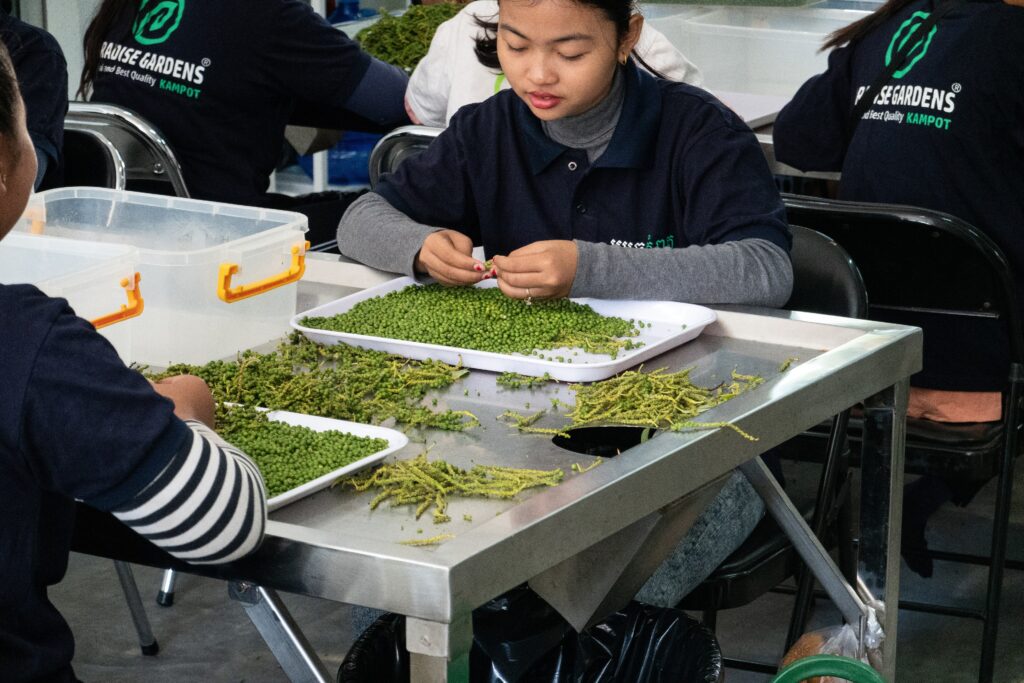
Bokor pairs naturally with the rest of the Kampot area. Spend the next morning at the Kampot pepper farms, then head on for a long crab lunch at the Kep crab market. A sunset boat trip on the Kampot river rounds off the stay nicely. If you like your sightseeing active, have a look at our adventure experiences too.
Visiting with My Travel Factory
We arrange Bokor with a local Kampot driver-guide who knows the mountain’s history and its weather, and who will turn a cloudy morning into a good day rather than a wasted one. It features on our Pepper Coast & Islands journey and our Temples to the Coast dirt bike expedition itinerary, and we can add it to any trip that passes through Kampot. Tell us your dates and we will plan the day around the clearest weather.
Questions travellers ask
How do I get to Bokor National Park from Kampot?
Take National Road 3 west for 8 to 10 km to the park turn-off, then follow the 30 km sealed road up to the plateau. By car or scooter it takes about an hour. Most people go with a driver, a tour or a tuk-tuk from Kampot.
Is there an entrance fee for Bokor National Park?
There was no park entrance fee at the time of writing. The road and plateau are run partly by a private developer, so confirm locally before you go.
How long do you need at Bokor Mountain?
Half a day covers the main sights: the Black Palace, the Lok Yeay Mao statue, the old church, the Palace Hotel and Wat Sampov Pram. Allow a full day if you want lunch on top and a walk to Popokvil waterfall.
Is it cold on Bokor Mountain?
Yes, compared with the coast. The plateau is about 1,000 metres up and often inside cloud, so it can feel cold and damp. Bring a warm layer and a rain jacket.
Can I ride a scooter up Bokor?
The road is sealed and in good condition, but it is long and steep with fog, wet patches and fast traffic on the bends. Only ride it if you are an experienced rider; otherwise take a car with a driver.
What is the history of Bokor Hill Station?
The French built it in the early 1920s as a cool retreat, and the Bokor Palace Hotel opened in 1925. It was abandoned in the late 1940s, revived with a casino in the 1960s, abandoned again when the Khmer Rouge arrived in 1972, and fought over into the 1990s.
When is the best time to visit Bokor?
November to April gives the best chance of clear views. Go up in the morning, as cloud often builds by early afternoon. Popokvil waterfall is at its best in the wet season, roughly May to October.
Is Popokvil waterfall worth seeing?
In the wet season it is a lovely two-tiered cascade a short walk from the road. Late in the dry season it can shrink to a trickle, so it is worth asking in Kampot before you go.
Can you see wildlife in Bokor National Park?
The park is home to species including gibbons, gaur and Asian black bear, but you are unlikely to see large animals from the road. Birdwatchers do better on quiet stretches early in the morning.
Can you stay overnight on Bokor?
Yes, there are hotels on the plateau, including the restored Bokor Palace Hotel and the resort's casino hotel. Most visitors prefer to stay in Kampot and visit as a day trip.
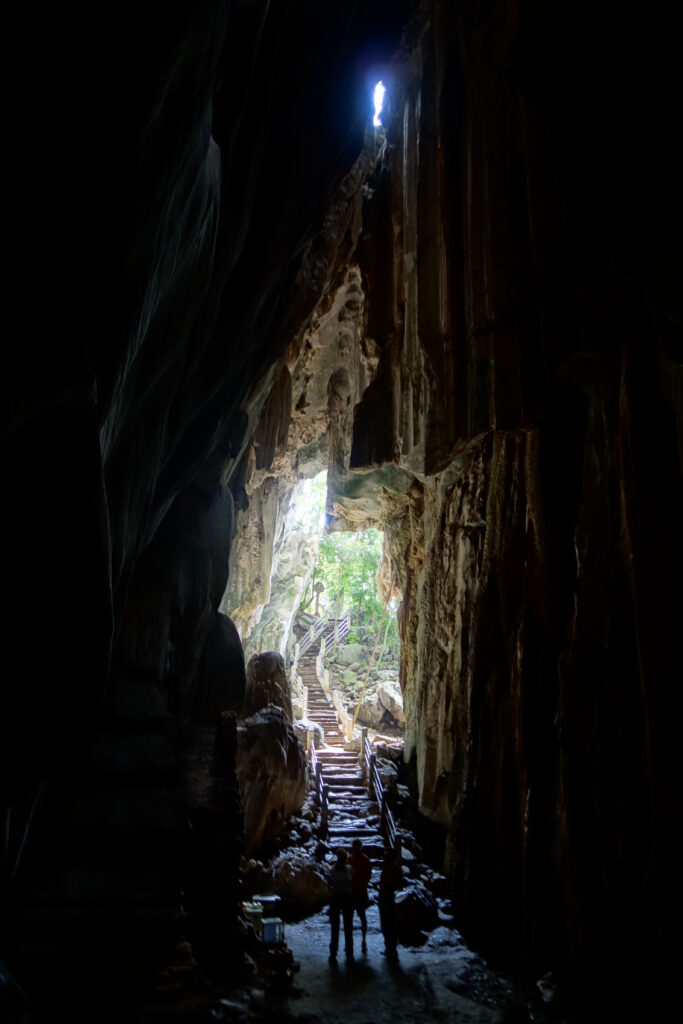
Phnom Chhngok is a cave temple about 8 km north-east of Kampot. Inside a limestone hill stands a small 7th-century brick temple dedicated to Shiva, built…
The Kep crab market (Phsar Kdam) is a waterfront seafood market and row of stilted restaurants in Kep, a seaside town in Cambodia's smallest province, about…
Location
Kep seafront, Kep province, south Cambodia
Distance
About 25 km from Kampot, three to four hours from Phnom Penh
Kampot pepper farms are plantations in the countryside between Kampot and Kep in southern Cambodia, where Kampot pepper, the country's first Geographical Indication product (2010) and…
Location
Countryside between Kampot and Kep, southern Cambodia
Protected status
Geographical Indication 2010; EU PGI 2016
Read more
Free, no-obligation enquiry
Tell us about your trip
Enquiry received
Thank you — a local specialist will be in touch within 24 hours.