The Angkor National Museum is a modern museum in Siem Reap, opened in 2007, that explains the Khmer Empire through eight themed galleries of sculpture, inscriptions and artefacts. Highlights include the Gallery of 1,000 Buddha Images and galleries on Angkor Wat and Angkor Thom. Tickets are $12 for adults, it opens daily from 8:30 am, and one to two hours is enough.
Charles de Gaulle Boulevard, Siem Reap, on the road to the temples
Opened
2007
Galleries
Eight themed galleries, starting with the 1,000 Buddha Images
Opening hours
Daily; 8:30 am to 6:00 pm (April to September), to 6:30 pm (October to March)
Adult ticket
$12 for foreign visitors
Angkor Pass
Not included
Audio guide
$5, in nine languages
Time needed
One to two hours
Photography
Phone photos without flash allowed
Facilities
Air-conditioned, free bag lockers, shop, wheelchairs on loan
The Angkor National Museum in Siem Reap is a modern museum dedicated to the Khmer Empire, with eight galleries of sculpture, inscriptions and artefacts from Angkor and beyond. Opened in 2007, it sits on the road between the town and the temples. An hour or two here before your first temple day makes Angkor far easier to understand.
2007Year the museum opened
8Themed galleries
$12Adult ticket
1 to 2 hoursTime to allow
DailyOpen from 8:30 am
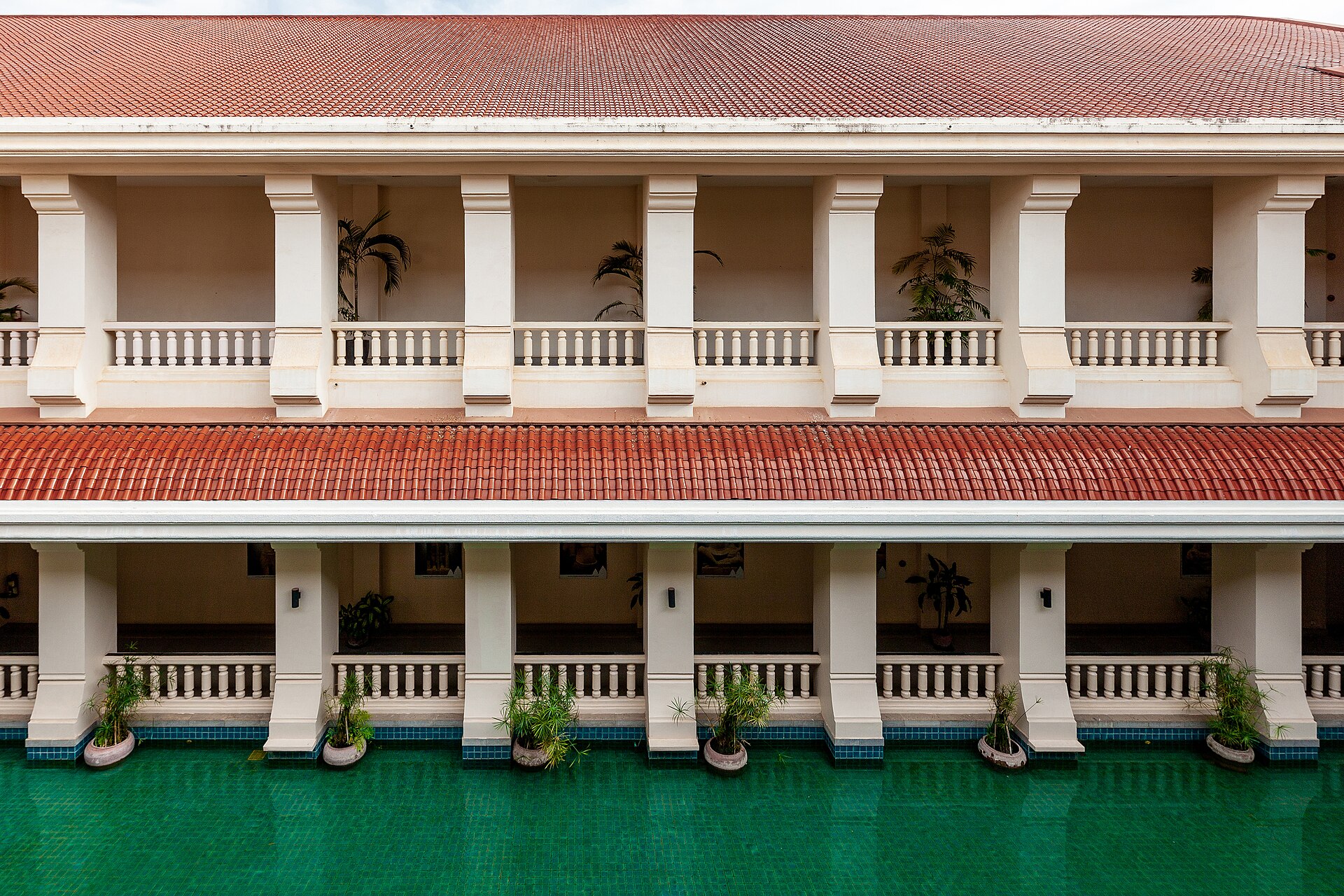
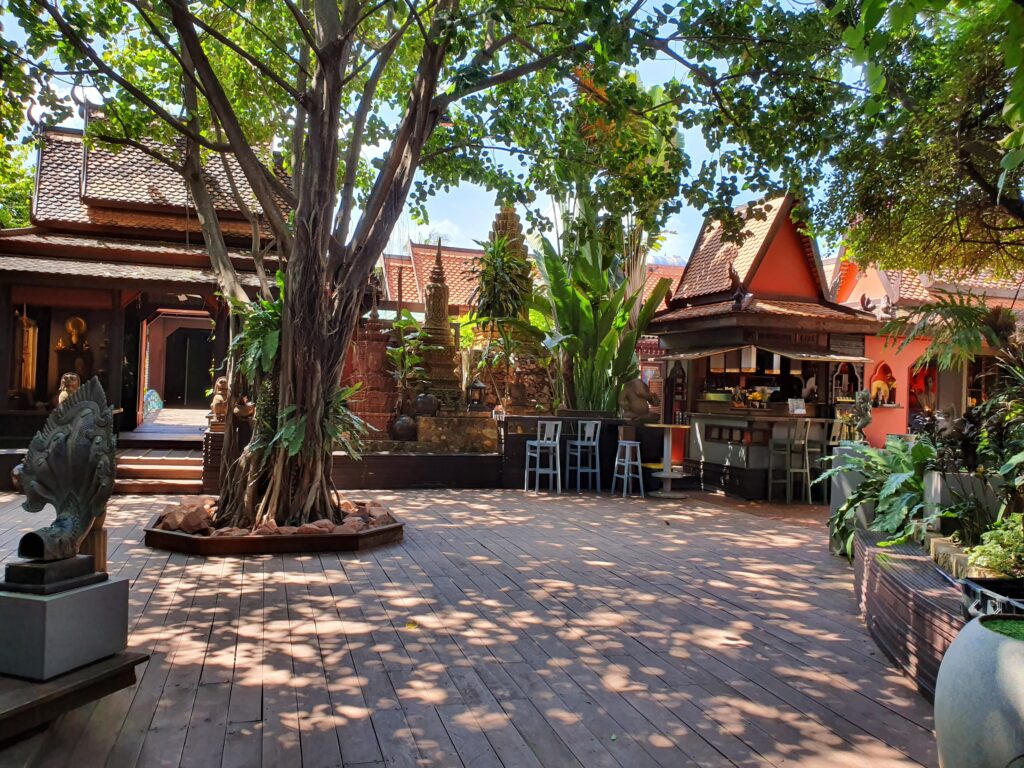
The building itself is calm and cool, laid out around a courtyard with long colonnades and a reflecting pool. Inside, the lighting is low and the pieces are given space. It is an easy, air-conditioned place to spend the hottest part of the day, and a welcome change of pace between early starts at the temples.
Why visit before the temples
Angkor can be overwhelming. There are dozens of temples built over six centuries by different kings, for different gods, in different styles. Standing in front of a carved lintel without knowing what it shows is a little like reading a book in a language you do not speak.
The museum gives you the vocabulary. You learn who the great kings were, how Hinduism and Buddhism shaped the empire, what the main gods and stories look like in stone, and how the temples were planned and built. When you then walk into Angkor Wat or the Bayon, you recognise what you are looking at.
The museum also covers more than Angkor itself. Pieces come from temples across the old empire, from pre-Angkorian brick sanctuaries to the later Buddhist period, so it is a good introduction to sites further afield such as Koh Ker and Sambor Prei Kuk.
If you are exploring with a private guide, the museum is still worthwhile but less essential. If you are exploring on your own, it is close to required.
The eight galleries
The galleries follow themes rather than a strict timeline. The visit begins with a short introductory film, then moves through the rooms in order. Several galleries also have short film or light presentations.
Room 1 1,000 Buddha Images: stone, bronze and wooden Buddhas from across the centuries, many in wall niches
Room 2 Khmer Civilisation: how the Khmer state and culture developed, from pre-Angkorian times onwards
Room 3 Religion and Beliefs: the Hindu gods, the arrival of Buddhism and how both shaped the temples
Room 4 The Great Khmer Kings: the rulers who built the empire, and the temples linked to each of them
Room 5 Angkor Wat: the design, meaning and construction of the largest temple
Room 6 Angkor Thom: the walled royal city of Jayavarman VII and the Bayon at its heart
Room 7 Stories from Stones: inscriptions and what they tell us about daily life, law and religion
Room 8 Ancient Costume: dress, jewellery and hairstyles as shown on the carvings of apsaras and devatas
Highlights to look for
First gallery
The 1,000 Buddhas
A striking room lined with small Buddha images in niches, with larger statues in the centre. Look for how the style of the face and robes changes over time.
Sculpture
Faces of the Bayon
Serene sandstone heads in the style of Jayavarman VII’s reign, with the same calm half-smile you will see on the towers of the Bayon.
Architecture
Lintels and pediments
Carved door lintels and gable fragments brought in from temples around the region, shown at eye level where you can study the detail.
Angkor Wat gallery
Angkor Wat explained
Models and presentations that show the temple’s plan, its alignment with the sun and the meaning of its five towers.
Inscriptions
Inscribed steles
Stone slabs carved in Sanskrit and Old Khmer, the main written sources for the history of the empire.
Last gallery
Apsara fashion
A light-hearted final room on the costumes and jewellery shown on temple walls. Great for teenagers.
Tickets, hours and audio guide
Opening hours
Every day. April to September, 8:30 am to 6:00 pm; October to March, 8:30 am to 6:30 pm
Adult ticket
$12 for foreign visitors
Children
Reduced rate for children; confirm locally
Angkor Pass
Not included; the museum has its own ticket
Audio guide
$5 in nine languages including English, French, German, Japanese, Chinese, Korean, Thai, Spanish and Russian
Payment
Cash or credit card
Bags
Free locked deposit boxes for bags
Photography
Phone photos without flash are allowed; follow signs in individual galleries
Time needed
One to two hours
The audio guide has around forty stops, written by curators and educators. It is well worth the small extra cost, especially if you do not have a guide with you. The museum also lends wheelchairs free of charge.
How to get there
The museum is on Charles de Gaulle Boulevard, the main road from Siem Reap town towards the Angkor temples. From the Old Market or Pub Street it is a 5 to 10 minute tuk-tuk ride. PassApp and Grab both work in Siem Reap, and many hotels are within walking distance.
Because it is on the way to the temples, it is easy to drop in on the afternoon you arrive in Siem Reap, or at the end of a morning at the temples when the heat makes a break welcome.
Tips for your visit
Our advice
Go before your first temple day. The afternoon you arrive is ideal. Everything you see at Angkor afterwards will make more sense.
Use it to beat the heat. The museum is air-conditioned. Visiting between noon and 3:00 pm fits neatly between an early temple start and a sunset.
Take the audio guide. Labels are brief. The audio guide brings the objects to life.
Do not rush the first galleries. The story builds. The early rooms on religion and kings are the key to everything after.
Bring a layer. The galleries can feel cold after the heat outside.
Please do
Leave large bags in the free lockers
Keep your voice down; some statues are still objects of devotion
Turn off your flash
Return the audio guide before you leave
Please don’t
Touch the sculptures or lean on plinths
Bring food or drink into the galleries
Pose for selfies with Buddha images
Bring pets
Combining it with other sights
Many of Angkor’s finest sculptures are not on site at all but in museums. Between them, the Angkor National Museum and the National Museum of Cambodia in Phnom Penh hold the best collections of Khmer art in the world. If you are visiting both cities, try to see both.
In Siem Reap, the museum pairs well with an afternoon at the Artisans Angkor workshops, where young Cambodians are trained in the stone carving and other crafts you have just seen in the galleries. After that, you are ready for Angkor Thom and the temples themselves.
Visiting with My Travel Factory
We like to start our guests’ time in Siem Reap gently, with the museum on the first afternoon and the temples the next morning. It is part of our Siem Reap Slow Travel and Phnom Penh & Angkor Discovery journeys, and we can add it to any trip. Explore our heritage experiences or tell us how you like to travel.
Questions travellers ask
Is the Angkor National Museum worth visiting?
Yes, especially before your first day at the temples. It explains the kings, gods and stories you will see carved at Angkor.
How much is the Angkor National Museum ticket?
$12 for foreign adults. The audio guide costs $5 more.
What are the Angkor National Museum opening hours?
It opens every day from 8:30 am, closing at 6:00 pm from April to September and 6:30 pm from October to March.
Is the Angkor National Museum included in the Angkor Pass?
No. It is ticketed separately from the temples.
How long do you need at the Angkor National Museum?
One to two hours, a little more if you use the audio guide at every stop.
Should I visit the museum before or after Angkor Wat?
Before. It gives you the background that makes the temples easier to understand.
Can you take photos in the Angkor National Museum?
The museum says phone photos without flash are allowed. Follow any signs in individual galleries.
What is the Gallery of 1,000 Buddha Images?
The first gallery, with Buddha images in stone, bronze and wood from across Khmer history, many displayed in wall niches.
Where is the Angkor National Museum?
On Charles de Gaulle Boulevard in Siem Reap, the main road from town to the temples, 5 to 10 minutes by tuk-tuk from the centre.
Is the Angkor National Museum good for children?
Older children and teenagers usually enjoy it, especially the films and the costume gallery. It is also a cool place to escape the heat.
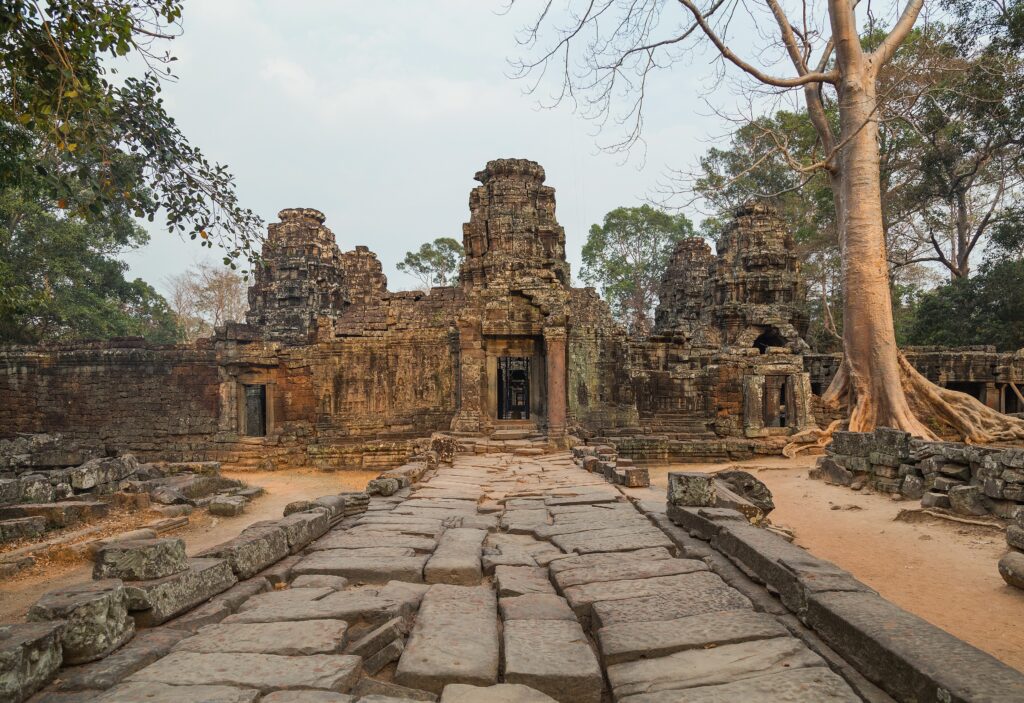
Banteay Kdei is a late 12th-century Buddhist monastery temple in the Angkor Archaeological Park, built by King Jayavarman VII in the Bayon style. It lies just…
Where
Small Circuit, Angkor Archaeological Park, just east of Ta Prohm
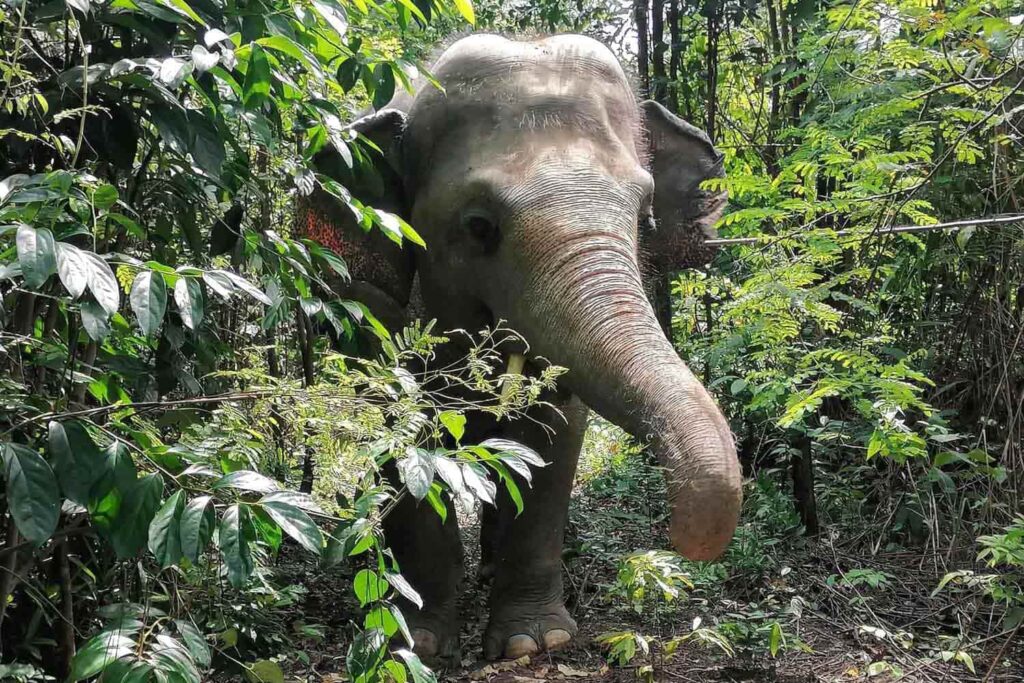
Cambodia Wildlife Sanctuary is an elephant rescue and forest conservation project about 100 km north of Siem Reap, developed with the Save Elephant Foundation. It protects…
Where
About 100 km north of Siem Reap, on the edge of Kulen Promtep Wildlife Sanctuary