The Kep crab market (Phsar Kdam) is a waterfront seafood market and row of stilted restaurants in Kep, a seaside town in Cambodia's smallest province, about 25 km from Kampot. Crabs are kept alive in bamboo baskets in the sea, pulled out to order and stir-fried with fresh green Kampot pepper, the region's signature dish. Kep was founded by the French as Kep-sur-Mer in 1908, and today also offers Rabbit Island, Kep National Park and quiet beaches.
About 25 km from Kampot, three to four hours from Phnom Penh
Signature dish
Crab stir-fried with fresh green Kampot pepper
Opening times
Daily from early morning; busiest at lunchtime
Pricing
Crab sold by the kilogram; confirm the price before ordering
Time needed
An hour or two for lunch; one to two days for Kep
History
Founded as the French resort Kep-sur-Mer in 1908
Nearby
Koh Tonsay (Rabbit Island), 20 minutes by boat
Hiking
8 km trail around Kep National Park
Best season
November to April
The Kep crab market is a lively row of seafood stalls and stilted restaurants on the waterfront of Kep, a small seaside town about 25 kilometres from Kampot. Crabs are kept alive in bamboo baskets in the shallows, hauled out to order and stir-fried with fresh green Kampot pepper. It is one of Cambodia’s great meals, and the rest of this quiet coast makes it easy to stay longer than lunch.
1908Founded as Kep-sur-Mer
25 kmFrom Kampot
336 km²Cambodia’s smallest province
20 minBoat to Rabbit Island
8 kmTrail around Kep National Park
Kep has none of the bustle of Sihanoukville. It is a green, spread-out town of hills, faded villas and seafront promenades, where the day is shaped by the tide, the heat and what time lunch is.
The crab market
The market, known locally as Phsar Kdam, sits at the eastern end of the seafront. At the water’s edge, women in wide hats wade out to lift bamboo crab baskets from the shallows, while stalls behind them sell piles of fresh and dried seafood, grilled squid, prawns and fish.
Behind and beside the stalls, a line of simple restaurants on stilts looks straight out over the Gulf of Thailand. You sit on a wooden deck with the sea breeze, order your crab by weight, and it arrives minutes later from basket to wok to plate.
The star
Crab with green pepper
Blue swimmer crab stir-fried with whole sprigs of fresh green Kampot pepper, garlic and a little sauce. Fragrant, peppery and messy in the best way.
Also good
Grilled squid and prawns
Skewers of squid, prawns and fish grilled over charcoal at the market stalls. Perfect to share while you wait for the crab.
Local style
Other crab dishes
Crab is also cooked with coconut milk, lemongrass, ginger or simply steamed. Ask the kitchen what they recommend that day.
To take home
Pepper and dried seafood
Stalls sell dried shrimp, fish sauce and bags of Kampot pepper. Buy pepper from a farm or a certified shop to be sure it is the real thing.
What to order and how it works
At the restaurants, crab is priced by the kilogram and the price moves with the season and the catch. Ask for the price before ordering and agree on how much you want; for two people, one kilogram with rice and a side dish is usually plenty.
Opening times
Daily, from early morning; busiest at lunchtime
Best time to eat
Late morning to early afternoon, when the catch is fresh and the restaurants are in full swing
How it is priced
Crab by weight; confirm the price per kilogram at the restaurant, as it changes with the season
Time needed
An hour or two for a relaxed lunch and a stroll along the market
Payment
US dollars or riel in cash
Our advice
Order the green pepper version. Fresh green pepper is only really good close to where it grows, which is why this dish tastes best here.
Arrive before noon in high season. From December to January, and on Khmer holidays, weekend crowds from Phnom Penh fill the best tables.
Use your hands. Crab crackers are rarely provided. Ask for extra napkins and a finger bowl, and wear something you do not mind splashing.
Check prices first. A quick confirmation of the price per kilogram avoids any surprise when the bill arrives.
A short history of Kep
Kep has had several lives. The empty villas and overgrown gates you see around town are reminders of a glamorous past, a painful middle chapter and a slow revival.
1908
The French colonial administration founds Kep-sur-Mer as a seaside resort for the colonial elite.
1953 to 1970
After independence, Kep becomes the fashionable coastal escape for Cambodia’s elite, and modernist villas are built, blending new international styles with Khmer design.
Early 1970s
War brings the resort’s golden age to an end. Under the Khmer Rouge the town is emptied and many villas are later stripped and left to ruin.
1990s onwards
Visitors slowly return, drawn by the crab market, the quiet coast and the beautiful ruins.
2008
Kep is separated from Kampot and becomes its own province, the smallest in Cambodia.
Around Kep: the coast and beyond
Kep’s province stretches along 16 kilometres of coast and up into forested hills. There is enough here for a relaxed two or three days.
Island
Koh Tonsay, Rabbit Island
A small island 4.5 km offshore, reached by boat from near the crab market in about 20 minutes. Simple bungalows, hammocks and seafood on quiet sandy beaches.
Hike
Kep National Park
An 8 km trail circles the Kep hills through forest with viewpoints over the sea. Allow two to four hours, and go early or late to avoid the heat.
Seafront
Kep Beach and the crab statue
A short, sandy town beach and a long promenade, with the giant crab statue standing in the sea. Best in the soft light towards sunset.
Architecture
The ghost villas
Ruined 1950s and 1960s villas dot the hills and lanes. Explore by bicycle, and respect private land where villas have been fenced or restored.
Farms
Pepper plantations
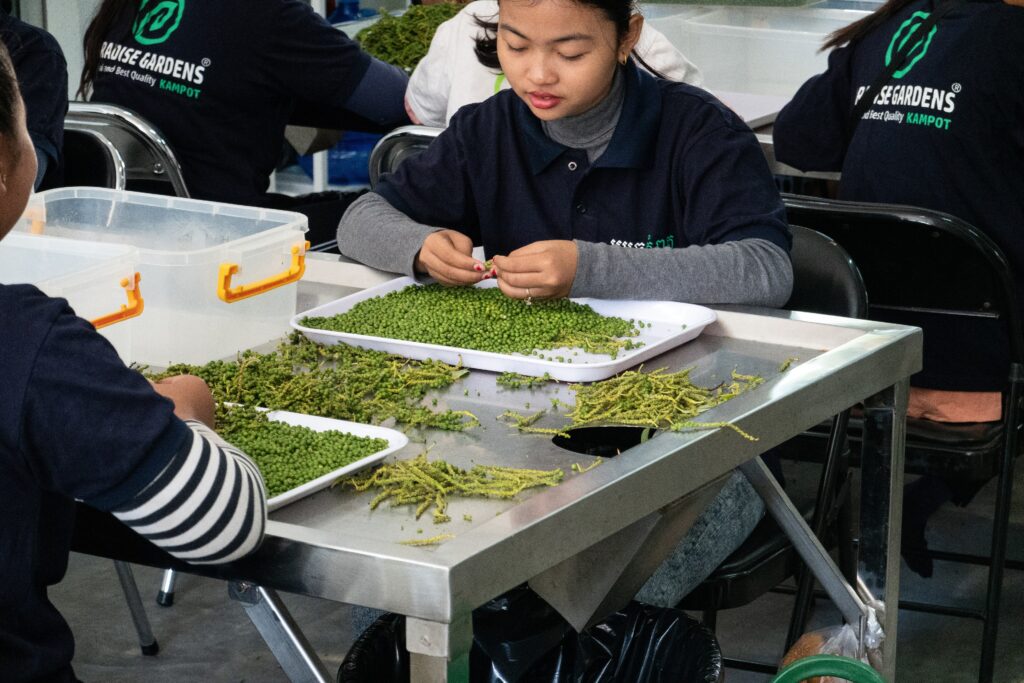
Several Kampot pepper farms lie on the red soils between Kep and Kampot, perfect for a morning visit before lunch.
Evening
Sunset at the pier
Locals gather on the seafront and the pier at dusk. A cold drink at a waterfront bar is the traditional end to a Kep day.
Best time to visit
The dry season, from November to April, brings calm seas, clear skies and the best conditions for boats to Rabbit Island. December and January are the busiest months, with many Cambodian families visiting at weekends.
From May to October there are afternoon storms and rougher seas, and some boat trips may not run. The crab market is open all year, though, and the countryside is at its greenest.
How to get there
From Kampot
About 25 km, 30 to 45 minutes by car or tuk-tuk
From Phnom Penh
Three to four hours by road, by bus, minivan or private car
From Sihanoukville
A half-day drive via Kampot
Getting around
Tuk-tuk, bicycle or motorbike; the town is spread out and hilly
Kep also sits close to the Vietnamese border, so it makes a natural stop on overland routes between Cambodia’s south coast and Vietnam’s Mekong Delta and Phu Quoc. Check visa arrangements for your nationality before crossing.
A perfect day in Kep
8:00 am Visit a pepper farm between Kampot and Kep
11:00 am Browse the stalls and watch the crab baskets come in
Noon Long crab lunch on a restaurant deck over the water
2:00 pm Rest in a hammock, or take the boat to Rabbit Island
4:30 pm Walk part of the Kep National Park trail as it cools
We plan Kep around the things that matter: a pepper farm in the cool of the morning, a table at a crab restaurant we trust, and time to wander the coast. Kep features on our Pepper Coast & Islands journey and our Temples to the Coast dirt bike expedition itinerary. Tell us your dates and we will build the perfect coastal few days around it.
Questions travellers ask
What is the Kep crab market?
A waterfront market and row of seafood restaurants in Kep, south Cambodia, famous for fresh blue crab kept in baskets in the sea and cooked to order, especially with fresh green Kampot pepper.
What is the best dish at the Kep crab market?
Crab stir-fried with fresh green Kampot pepper. The pepper is picked green and used fresh, so the dish is at its best close to where the pepper grows.
How much does crab cost in Kep?
Crab is sold by the kilogram, and the price changes with the season and the catch. Ask the restaurant for the price per kilogram before you order; about one kilogram feeds two people with rice.
What time does the Kep crab market open?
It opens daily from early morning, with fishing activity in the morning and the restaurants busiest at lunchtime. Late morning to early afternoon is the best time to eat.
How do I get to Kep from Kampot?
Kep is about 25 km from Kampot, 30 to 45 minutes by car or tuk-tuk. Many visitors combine a pepper farm visit in the morning with crab for lunch in Kep.
How far is Kep from Phnom Penh?
Three to four hours by road, by bus, minivan or private car.
How do I get to Rabbit Island from Kep?
Boats leave from near the crab market and take about 20 minutes to reach Koh Tonsay (Rabbit Island), 4.5 km offshore. Services run more reliably in the dry season.
Is Kep worth visiting?
Yes, for a slower pace than Sihanoukville, excellent seafood, Rabbit Island, the Kep National Park trail and the atmospheric ruined villas. Two nights is ideal.
What is the history of Kep?
The French founded Kep as the resort of Kep-sur-Mer in 1908. It became a fashionable retreat in the 1950s and 1960s, was abandoned during the war and the Khmer Rouge period, and became its own province in 2008.
Is there a beach in Kep?
Yes, Kep Beach is a short sandy town beach by the promenade and crab statue. For quieter sand and swimming, take a boat to Rabbit Island.
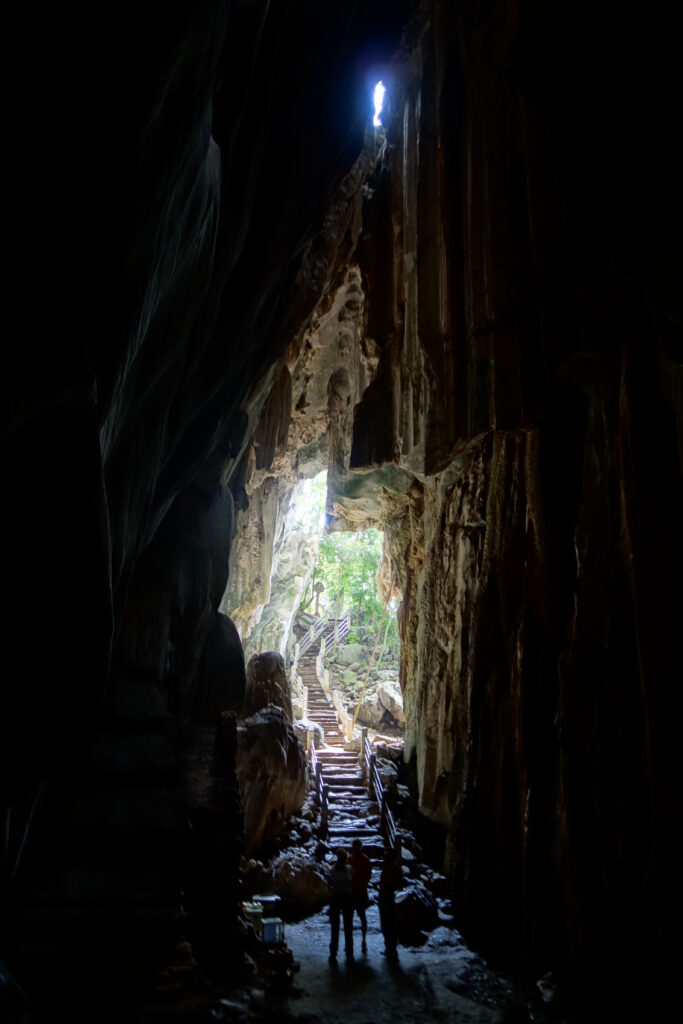
Phnom Chhngok is a cave temple about 8 km north-east of Kampot. Inside a limestone hill stands a small 7th-century brick temple dedicated to Shiva, built…
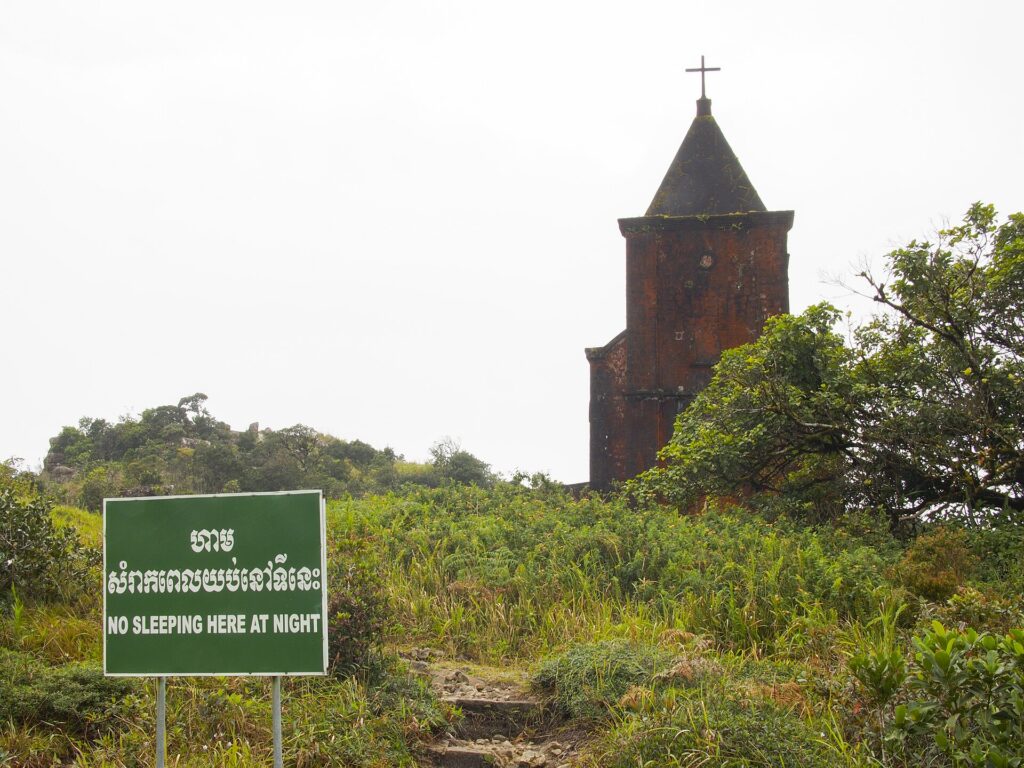
Bokor National Park (Preah Monivong Bokor National Park) is a protected area of about 1,544 square kilometres above Kampot in southern Cambodia. Its sandstone plateau, about…
Kampot pepper farms are plantations in the countryside between Kampot and Kep in southern Cambodia, where Kampot pepper, the country's first Geographical Indication product (2010) and…
Location
Countryside between Kampot and Kep, southern Cambodia
Protected status
Geographical Indication 2010; EU PGI 2016
Read more
Free, no-obligation enquiry
Tell us about your trip
Enquiry received
Thank you — a local specialist will be in touch within 24 hours.