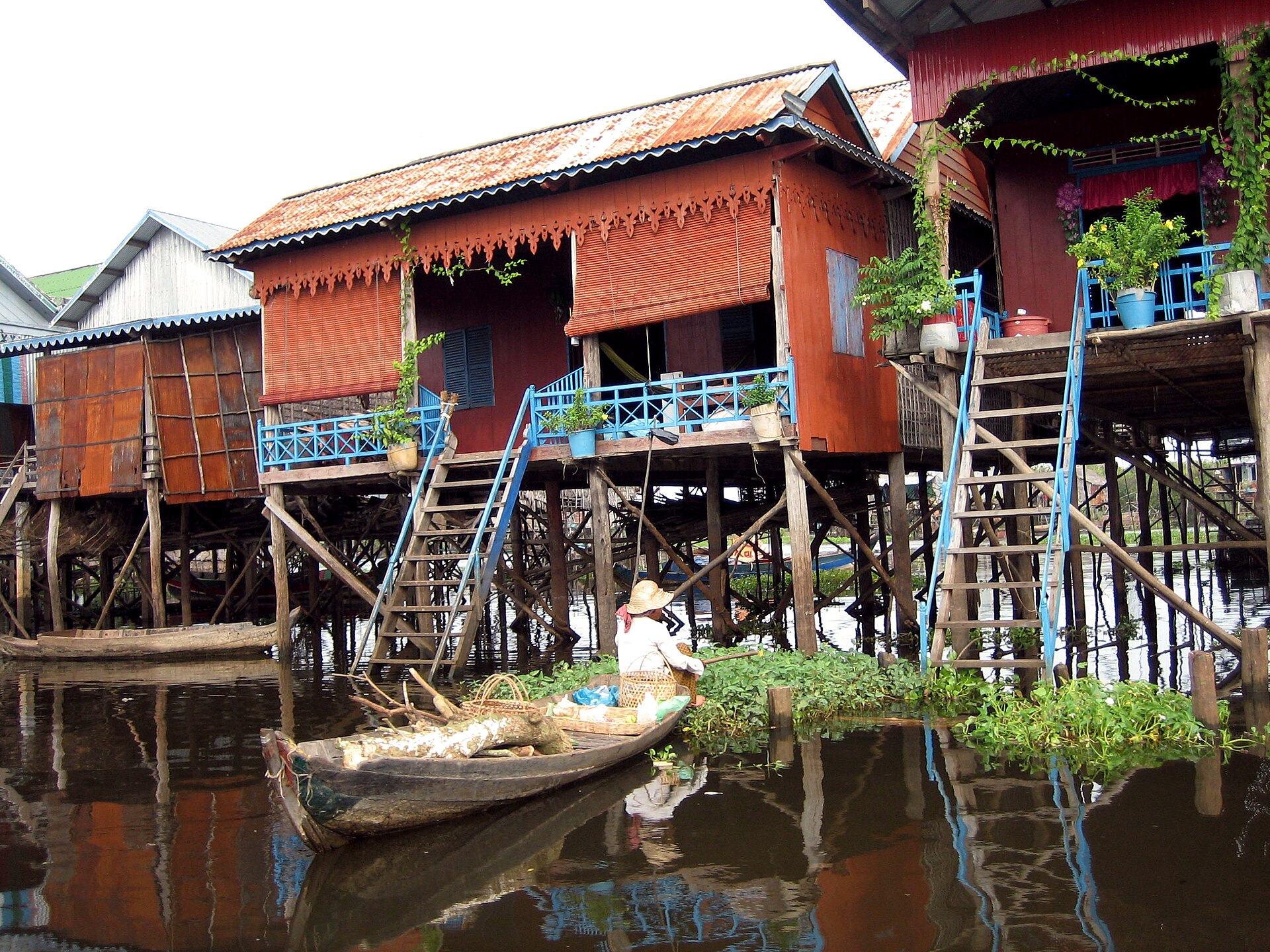
The Tonle Sap floating villages are fishing communities of stilt houses and floating homes on the shores of the Tonle Sap, South-East Asia's largest freshwater lake, which swells from about 2,500 to as much as 16,000 square kilometres in the wet season. From Siem Reap the main villages to visit are Kampong Phluk, Kampong Khleang, Mechrey and Chong Kneas, 30 to 90 minutes away by road. The best time is August to November, when the water is high.
South of Siem Reap, on the northern shore of the Tonle Sap lake
Main villages
Kampong Phluk, Kampong Khleang, Mechrey, Chong Kneas
Distance
Chong Kneas 16 km; Kampong Phluk about 30 km; Kampong Khleang about 50 km
Best season
August to November, when water is high
Low water
February to May; stilts exposed and some channels too shallow
Boat ticket
Around $20 per person at Kampong Phluk, plus a small community fee; confirm locally
Time needed
Half a day
Lake size
2,500 to 3,000 km² dry season, up to 16,000 km² wet season
Protected status
UNESCO Biosphere Reserve since 1997
Our pick
Kampong Phluk for stilt houses and flooded forest; Kampong Khleang for fewer visitors
The Tonle Sap floating villages are fishing communities built on stilts and rafts at the edge of South-East Asia’s largest freshwater lake, south of Siem Reap. Kampong Phluk, Kampong Khleang, Mechrey and Chong Kneas can all be visited by boat, and each rises and falls with one of the most remarkable seasonal floods on earth.
2,500 to 16,000 km²Lake area, dry to wet season
Twice a yearThe river reverses direction
1997UNESCO Biosphere Reserve
30 to 90 minFrom Siem Reap by road
Half a dayFor a visit
A morning on the lake is the best antidote to temple fatigue. After days among stone, you glide past houses on stilts as tall as a two-storey building, children paddling small boats between them, and fishermen mending nets under their homes. It shows you how much of rural Cambodia still lives: by the water, and with it.
A lake that breathes
The Tonle Sap is connected to the Mekong by the 115-kilometre Tonle Sap River. For about half the year, from the start of the monsoon, the swollen Mekong pushes water up the river and into the lake. The flow of the river reverses, and the lake grows from 2,500 to 3,000 square kilometres in the dry season to as much as 16,000 at its peak. Its depth rises from about a metre to 9 metres or more.
When the rains end, the flow turns round again and the lake drains back towards Phnom Penh and the sea. Cambodians celebrate this turning point with the Water Festival, Bon Om Touk, in October or November.
The flood pulse makes the lake one of the richest inland fisheries in the world. It also shapes every village on its shore. Houses are built on stilts up to about 6 metres high, or on floating rafts that can be towed as the shoreline moves. In 1997 UNESCO declared the lake a Biosphere Reserve, with core zones including the Prek Toal bird sanctuary.
Which floating village?
There are several villages you can visit from Siem Reap, and they are very different. Choosing the right one matters more than anything else.
Our first choice
Kampong Phluk
About 30 kilometres south-east, 45 minutes to an hour by road. Three villages of dramatic stilt houses, a flooded forest you can explore by paddle boat, and a community-run boat system. The best balance of beauty and ease.
Most authentic
Kampong Khleang
The largest and furthest, about 50 kilometres east, roughly 90 minutes by road. A true town on stilts, with pagodas, schools and markets, and far fewer visitors. Worth the drive if you have a full morning.
Quiet and local
Mechrey
West of Chong Kneas, about an hour from town. A genuinely floating village of houses on rafts that move with the water, and the usual starting point for boat trips to the Prek Toal bird sanctuary.
Closest, but busy
Chong Kneas
About 16 kilometres south of town, below the hill of Phnom Krom. The quickest to reach and the most commercial, with a history of pushy sales. We rarely recommend it.
For birdwatchers
Prek Toal
A core zone of the Biosphere Reserve and home to large colonies of storks, pelicans and cormorants. A long, early day by boat, best in the dry season. Confirm access and timing locally.
Out on the water
Flooded forest
At Kampong Phluk and Kampong Khleang, local women paddle small wooden boats through half-submerged trees when the water is high. Quiet, shady and the highlight for many.
Best time to visit
The lake changes completely through the year, and so does the experience.
June to July
Water rising. Villages come back to life on the water; boats reach most places again
August to November
High water, the classic season. Houses appear to float, the flooded forest is at its best, and the landscape is green
December to January
Water falling. Still good, with cooler, drier weather and clear skies
February to May
Low water. The stilts are fully exposed, which is dramatic in its own way, but some channels become too shallow and boat trips may be shorter
Our advice
Go early or late. The light is softer and the heat gentler. A late-afternoon trip ending with sunset over the open lake is magical.
Check water levels before you go. In the dry season some villages are hard to reach by boat. Local operators know week by week.
Bring sun protection. There is little shade on the boats. Take a hat, sunscreen and water.
Mind your valuables. Keep phones and cameras in a dry bag when getting in and out of boats.
Tickets, boats and costs
At most villages you buy a boat ticket at the community pier, and the boats are run by local families on a rota. At Kampong Phluk, a boat ticket is typically around $20 per person, plus a small community fee, and a paddle-boat ride through the flooded forest costs a few dollars more per boat. Prices change and vary between villages, so confirm them locally or ask us.
Getting there costs extra. A tuk-tuk to Kampong Phluk and back takes about an hour each way on a bumpy road; a car is more comfortable, and essential for Kampong Khleang.
Many travellers prefer a guided tour, which includes transport, boat tickets and a guide who can translate and explain what you are seeing. Choose one that works directly with the community.
Visiting responsibly
Tourism can support these communities, or exploit them. A few simple choices make all the difference.
Please do
Pay the official community boat and paddle fees
Buy a drink or a meal at a family-run restaurant on the water
Ask before photographing people, especially inside their homes
Give through established organisations, such as local health or education charities
Please don’t
Buy overpriced rice or noodles “for the school or orphanage”; it is a known scam
Visit schools during lessons or hand out sweets and money to children
Stop at crocodile farms or hold snakes for photos
Leave plastic behind; the lake is their home and their larder
Many families on the lake, including ethnic Vietnamese and Cham communities, are among the poorest in the country. Treat the visit as time spent in someone’s neighbourhood, not a spectacle, and you will be welcomed warmly.
A half-day plan
This is how we usually visit Kampong Phluk in the wet season:
1:30 pm Leave Siem Reap by car or tuk-tuk through rice fields and villages
2:30 pm Board a family boat at the pier and cruise along the river channel
3:00 pm Stop in the stilt village and walk or boat through its lanes, with a visit to the pagoda
3:45 pm Transfer to a small paddle boat for 30 to 40 minutes in the flooded forest
4:45 pm Continue by boat to the open lake for sunset
6:30 pm Back in Siem Reap for dinner
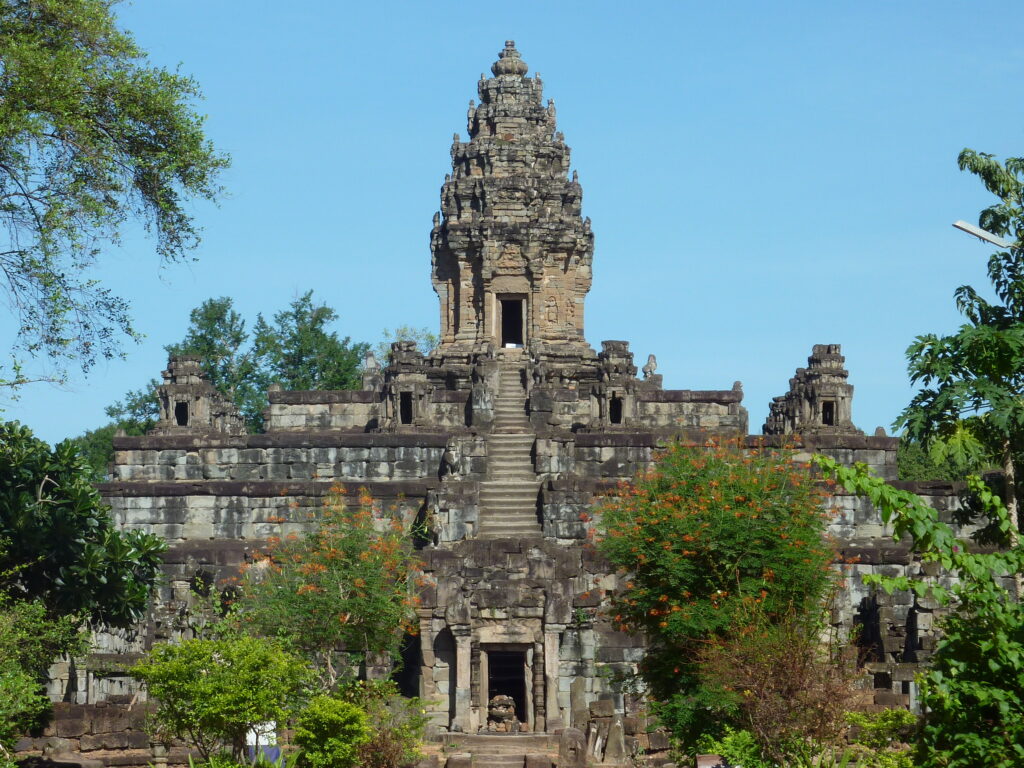
A morning trip works just as well and is cooler. Combine the lake with the Roluos group of temples, which lie on the same road, or pair it with a morning at Artisans Angkor. For a longer water adventure, the Irrawaddy dolphins at Kratie offer another side of Cambodia’s rivers. See all our river experiences.
Visiting with My Travel Factory
We choose the village that best suits the season and your interests, arrange a private car and guide, and work with community boat operators so your money stays on the lake. A floating village visit is part of our Siem Reap Green Journey and can be added to our Siem Reap Slow Travel itinerary. Get in touch to plan it.
Questions travellers ask
What are the Tonle Sap floating villages?
Fishing communities living on stilt houses and floating rafts around the Tonle Sap lake. The best known near Siem Reap are Kampong Phluk, Kampong Khleang, Mechrey and Chong Kneas.
Which floating village is best from Siem Reap?
Kampong Phluk offers the best balance of dramatic stilt houses, flooded forest and easy access. Kampong Khleang is larger and less touristy but further away. Chong Kneas is the closest but the most commercial.
When is the best time to visit the floating villages?
From August to November, when the lake is high and the houses appear to float. In the dry season, from February to May, water levels are low and some boat routes may be shorter.
How much does a Kampong Phluk boat trip cost?
A boat ticket is typically around $20 per person plus a small community fee, with a few dollars more per boat for a paddle through the flooded forest. Confirm current prices locally.
How far is Kampong Phluk from Siem Reap?
About 30 km south-east, 45 minutes to an hour by road.
How long does a floating village tour take?
Around half a day, including travel from Siem Reap, the boat trip and time in the village.
Why does the Tonle Sap lake change size?
During the monsoon the Mekong floods and pushes water up the Tonle Sap River, reversing its flow. The lake grows up to five times larger, then drains back when the rains end.
Are floating village tours ethical?
They can be. Use community-run boats, avoid school and orphanage visits and rice donation scams, and ask before photographing people.
What is the rice donation scam at the floating villages?
Visitors are taken to a shop and urged to buy overpriced rice or noodles for a school or orphanage. The goods are often resold. Give through established charities instead.
Can you see sunset on the Tonle Sap?
Yes. A late-afternoon boat trip that ends on the open lake at sunset is one of the best ways to visit.
Can you visit the floating villages in the dry season?
Yes, but the experience is different. Stilts are fully exposed and some channels become too shallow for boats, so check conditions locally.
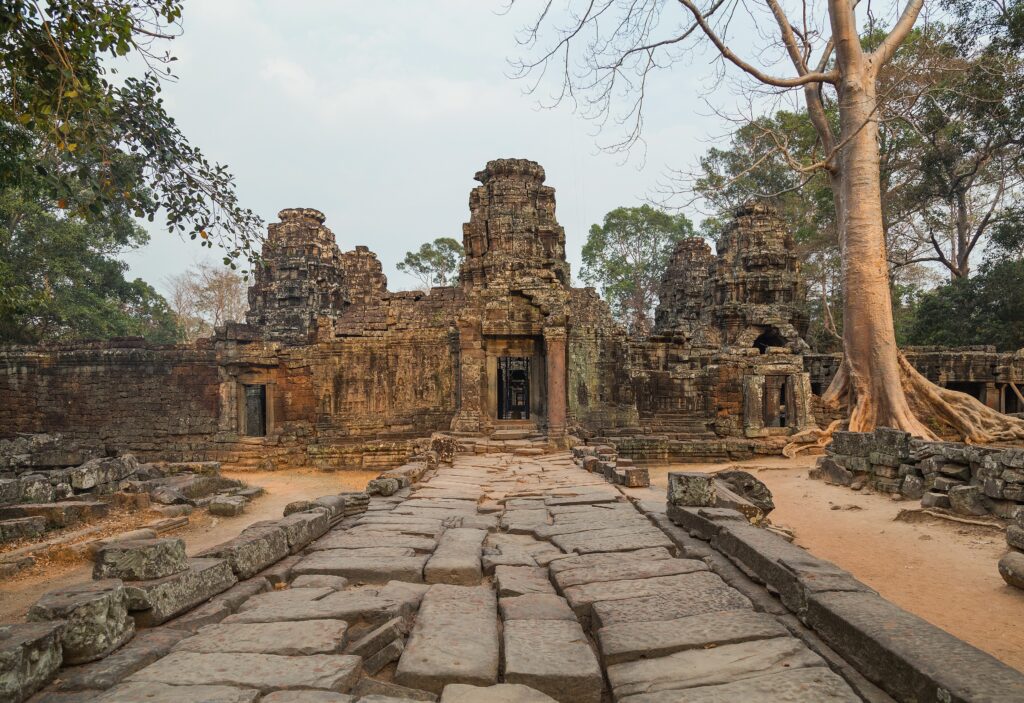
Banteay Kdei is a late 12th-century Buddhist monastery temple in the Angkor Archaeological Park, built by King Jayavarman VII in the Bayon style. It lies just…
Where
Small Circuit, Angkor Archaeological Park, just east of Ta Prohm
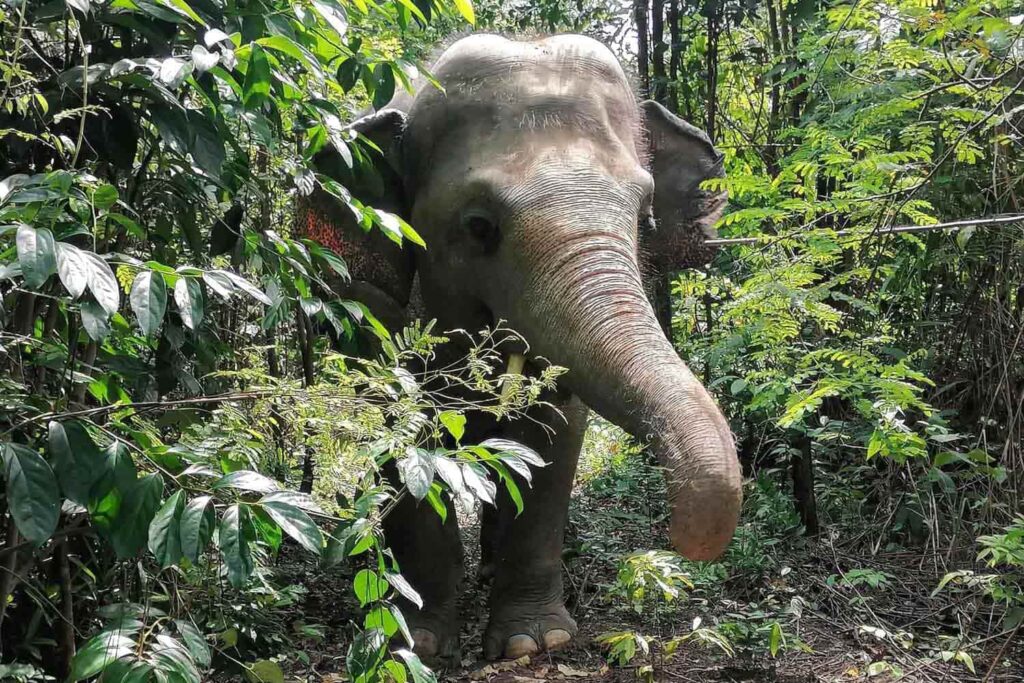
Cambodia Wildlife Sanctuary is an elephant rescue and forest conservation project about 100 km north of Siem Reap, developed with the Save Elephant Foundation. It protects…
Where
About 100 km north of Siem Reap, on the edge of Kulen Promtep Wildlife Sanctuary