Souvenirs, silk, clothing and a hot, crowded, excellent lunch
MarketsType
In short
The Russian Market, or Phsar Toul Tom Poung, is a large covered market in the south of Phnom Penh, named in the 1980s after the Soviet-bloc expatriates who shopped there. It is best known for silk, clothing, souvenirs, carvings, Kampot pepper and a busy food section. Entry is free, and most stalls trade daily from about 7 am to 5 pm.
Street 155, Toul Tom Poung, Chamkar Mon district, Phnom Penh
Khmer name
Phsar Toul Tom Poung
Name origin
Soviet-bloc expatriates shopped here in the 1980s
Opening hours
Daily, roughly 7:00 am to 5:00 pm
Entry
Free
Time needed
One to two hours
Best for
Silk, clothing, carvings, Kampot pepper and the food stalls
Go when
Morning, before the low roof traps the heat
Bargaining
Expected for souvenirs and clothing
Nearby
Tuol Sleng Genocide Museum, about 15 minutes' walk
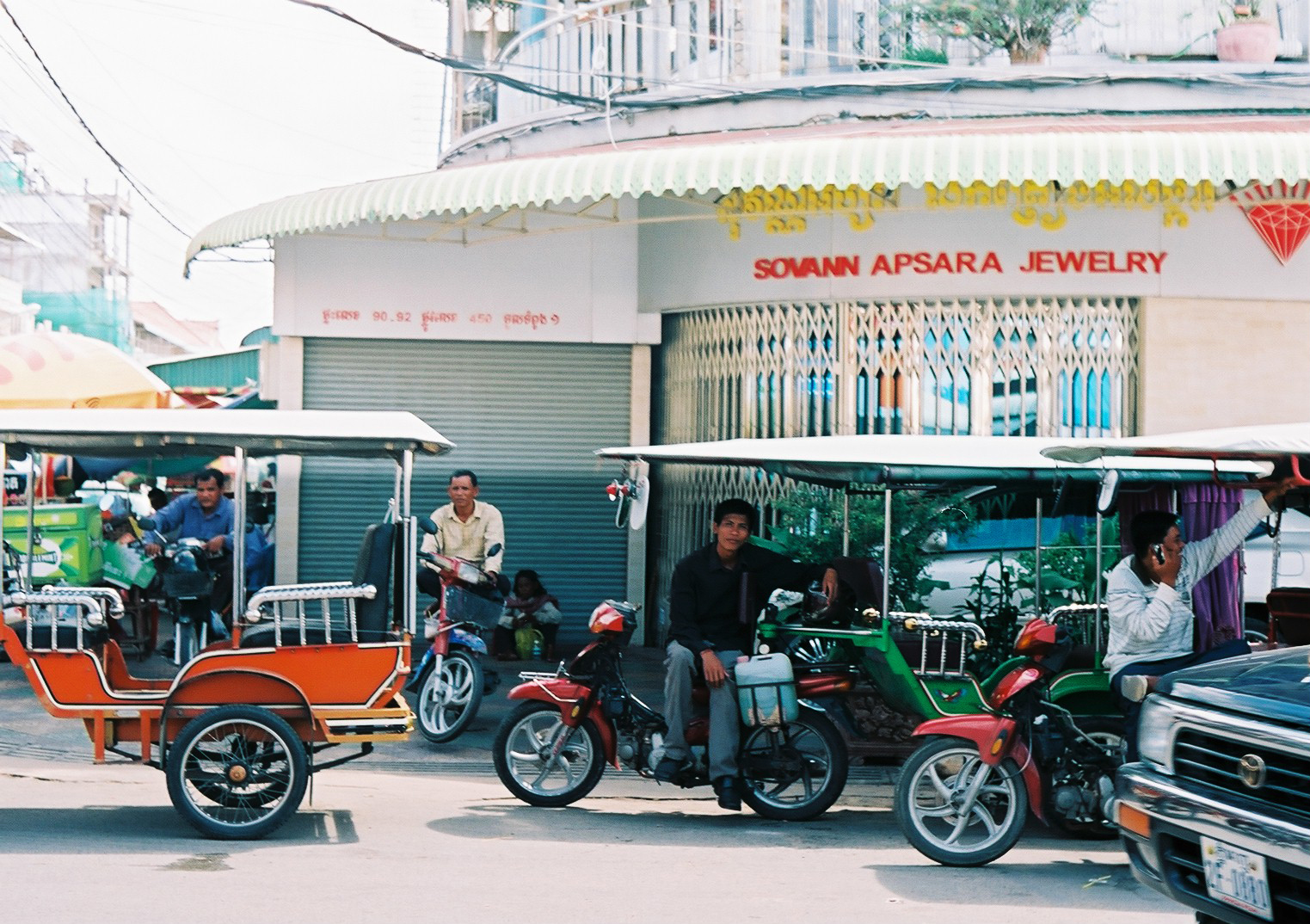
The Russian Market, Phsar Toul Tom Poung in Khmer, is Phnom Penh’s favourite place to shop for souvenirs, silk, clothing and crafts. It is a dense, low-roofed maze of hundreds of stalls in the south of the city, where you can buy anything from a hand-carved Buddha to a motorbike part, then sit down for a bowl of noodles.
1980sWhen it got its Russian name
7 am to 5 pmUsual trading hours
FreeEntry
1 to 2 hrsTime to allow
15 minWalk from Tuol Sleng
Unlike the grand Central Market, there is nothing architecturally special here. The appeal is the variety and the energy: tailors at their sewing machines, stacks of silk scarves, the clang of mechanics in the back rows and the smell of coffee and grilled pork drifting from the food stalls.
Why it is called the Russian Market
The market’s Khmer name comes from its neighbourhood, Toul Tom Poung. Its English nickname dates from the 1980s, when Cambodia was rebuilding after the Khmer Rouge years under a Vietnamese-backed government allied with the Soviet Union. Russian and Eastern European advisers and expatriates living in Phnom Penh shopped here, and the name stuck.
There are no Russian goods for sale today. Over the decades it has become one of the city’s most important markets, used by local families for everyday shopping as well as by visitors hunting for gifts. Its reputation for clothing grew with Cambodia’s garment industry, and many stalls sell surplus and seconds from the factories around the capital, alongside copies and local brands.
What to buy
The market is roughly organised by trade. The souvenir, silk and clothing stalls tend to be in the outer aisles and main walkways, while hardware, spare parts and the wet market are deeper inside.
Textiles
Silk, scarves and krama
Silk scarves, cushion covers and table runners, and the checked cotton krama that Cambodians use as scarf, towel and sling. Quality varies a lot, so feel the fabric before you buy.
Fashion
Clothing and tailoring
T-shirts, trousers, dresses and sportswear, some genuine factory surplus and some copies. Several tailors will copy or alter clothes quickly, and fabrics are sold by the metre.
Crafts
Carvings and silverwork
Stone and wooden Buddhas, Apsara reliefs, silver-plated betel boxes, lacquerware and paintings. Treat anything sold as an antique with great caution.
To take home
Kampot pepper and spices
Bags of Kampot pepper, palm sugar, dried fruit, coffee and tea make light, useful gifts. Check the packaging for the Kampot pepper origin label.
Everyday life
The wet market
Meat, fish, vegetables, herbs and fruit for local households. It is loud, busy and a little messy, and it is where the market feels most Cambodian.
Curiosity
Spare parts and tools
At the back, rows of stalls sell motorbike parts, electrical goods, tools and hardware. Not for shopping, perhaps, but fascinating to walk through.
Food and coffee
The food section in the middle of the market is one of the best cheap lunches in Phnom Penh. Stools line counters where cooks serve kuy teav noodle soup, bai sach chrouk (grilled pork with broken rice), fried noodles, curries and fresh spring rolls. Point at what looks good and sit down.
Iced Khmer coffee is a must. It is strong, sweet and made with condensed milk, and you will find it at small stalls throughout the market. Fresh sugarcane juice and fruit shakes are good alternatives on a hot day.
Eat like a local
Come hungry at 11:00 am. The lunch stalls are at their busiest and freshest just before midday.
Look outside too. The streets around the market have more food stalls, often cheaper than those inside.
Carry small riel notes. Food is cheap and change is easier in riel.
Opening hours and practical details
Opening hours
Daily, roughly 7:00 am to 5:00 pm; some stalls open earlier or close later
Entry
Free
Best time
Early morning, before the heat builds under the low roof
Time needed
One to two hours, longer if you are shopping seriously
Payment
Cash, US dollars or riel; ATMs nearby
Where
Street 155, Toul Tom Poung, Chamkar Mon district
Hours are set by individual stallholders and vary. Food and wet-market stalls start earliest, while souvenir sellers may open a little later. Confirm locally if you plan an early or late visit.
Shopping and bargaining tips
Our advice
Go in the morning. The roof is low and the aisles are narrow, so it gets very hot by early afternoon.
Bargain politely. Prices for tourists often start high. Offer around half to two-thirds, smile and be ready to walk away. Buying several items from one stall gets a better price.
Check the quality. Look at stitching, zips and seams on clothing, and whether silk is real silk or a blend.
Beware antiques. Most are reproductions. Genuine antiquities cannot legally be taken out of Cambodia.
Watch your belongings. Keep your phone and wallet secure in the crowded aisles.
Please do
Haggle with good humour
Try iced Khmer coffee and a noodle soup
Ask before photographing stallholders
Please don’t
Agree a price and then walk away
Buy wildlife products or items made from protected species
Carry large notes or valuables on show
The Toul Tom Poung neighbourhood
The streets around the market have become one of Phnom Penh’s liveliest neighbourhoods. Old shophouses now hold independent cafés, bakeries, boutiques, design shops and restaurants, many run by young Cambodians. It is a good place to slow down after the heat and noise inside.
Many visitors spend a morning here and stay for lunch. The area is also popular with expatriates, so you will find everything from Khmer home cooking to excellent coffee roasters within a few blocks.
If you are staying several days in Phnom Penh, Toul Tom Poung is worth considering as a base. It feels more residential than the riverside, with quieter lanes, good-value guesthouses and small hotels, and easy tuk-tuk rides to the Royal Palace, the museums and the Central Market.
How to get there and what is nearby
The Russian Market is in the south of the city, 15 to 20 minutes by tuk-tuk from the riverside or the Central Market, depending on traffic. PassApp and Grab both work well, and every driver knows it.
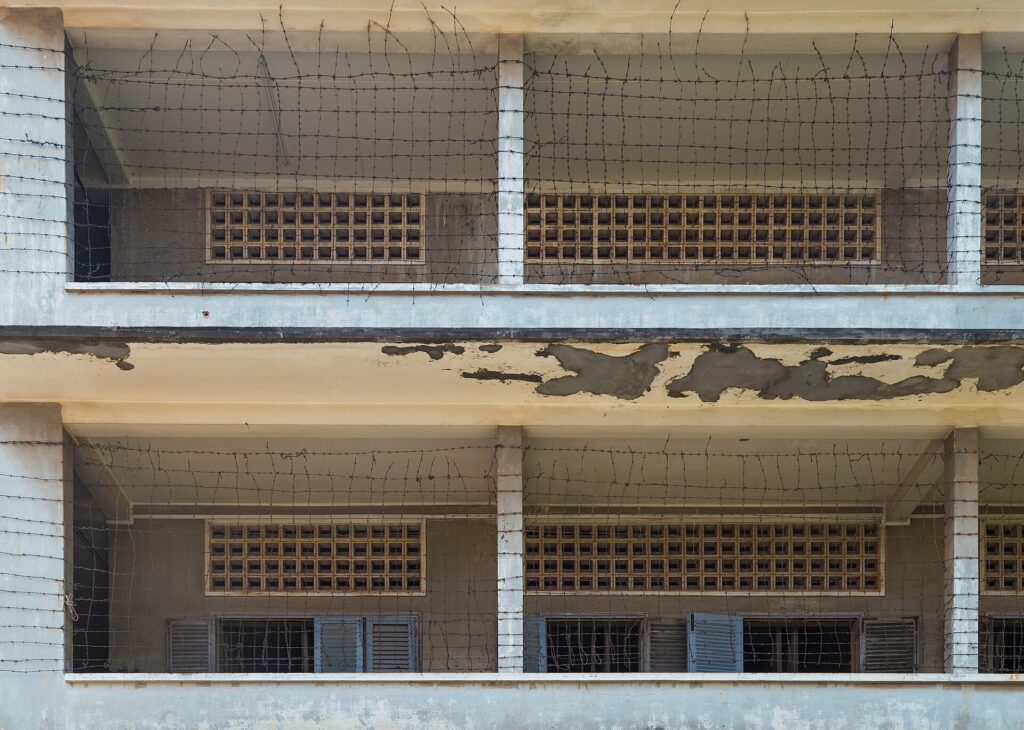
The Tuol Sleng Genocide Museum is about 15 minutes’ walk away. Many visitors combine the two, but it is worth giving yourself a break between them.
8:00 am Tuol Sleng Genocide Museum, two to three hours
11:00 am Coffee and a quiet break in a Toul Tom Poung café
11:30 am Lunch at the Russian Market food stalls
12:30 pm Browse the silk, crafts and clothing, about an hour
Visiting with My Travel Factory
Our guides know the best stalls, the fair prices and the lunch counters locals queue for, and they will happily help you bargain. The Russian Market fits easily into our Phnom Penh & Angkor Discovery journey, and our food experiences take you deeper into Khmer cooking and markets. Get in touch and we will design your Phnom Penh days with you.
Questions travellers ask
What are the Russian Market opening hours?
Most stalls trade daily from about 7:00 am to 5:00 pm. Food and produce sellers start earlier, and hours vary by stall.
Why is it called the Russian Market?
In the 1980s many Russian and Eastern European expatriates living in Phnom Penh shopped here, so foreigners began calling it the Russian Market. Its Khmer name is Phsar Toul Tom Poung.
What can you buy at the Russian Market?
Silk scarves, krama, clothing, bags, carvings, silver-plated boxes, paintings, Kampot pepper, coffee and spices, plus hardware and spare parts at the back.
Is the clothing at the Russian Market genuine?
Some is genuine factory surplus and some is copied. Check stitching and labels, and pay a price you are happy with either way.
Can you bargain at the Russian Market?
Yes. Start at around half to two-thirds of the first price, stay friendly, and buy several items from one stall for a better deal.
Is the Russian Market worth visiting?
Yes, especially for souvenirs and the food stalls. It is more practical than beautiful, but it is lively and full of character.
Where is the best place to eat at the Russian Market?
The central food section serves noodle soups, grilled pork with rice and fried noodles. Stalls in the surrounding streets are also good and often cheaper.
Russian Market or Central Market: which is better?
Russian Market for clothing, crafts and souvenirs; Central Market for its Art Deco building, jewellery and fresh produce.
How far is the Russian Market from Tuol Sleng?
About 15 minutes on foot or a few minutes by tuk-tuk, so they are easy to combine.
When is the best time to visit the Russian Market?
In the morning. The market is low-roofed and gets very hot and stuffy by the afternoon.
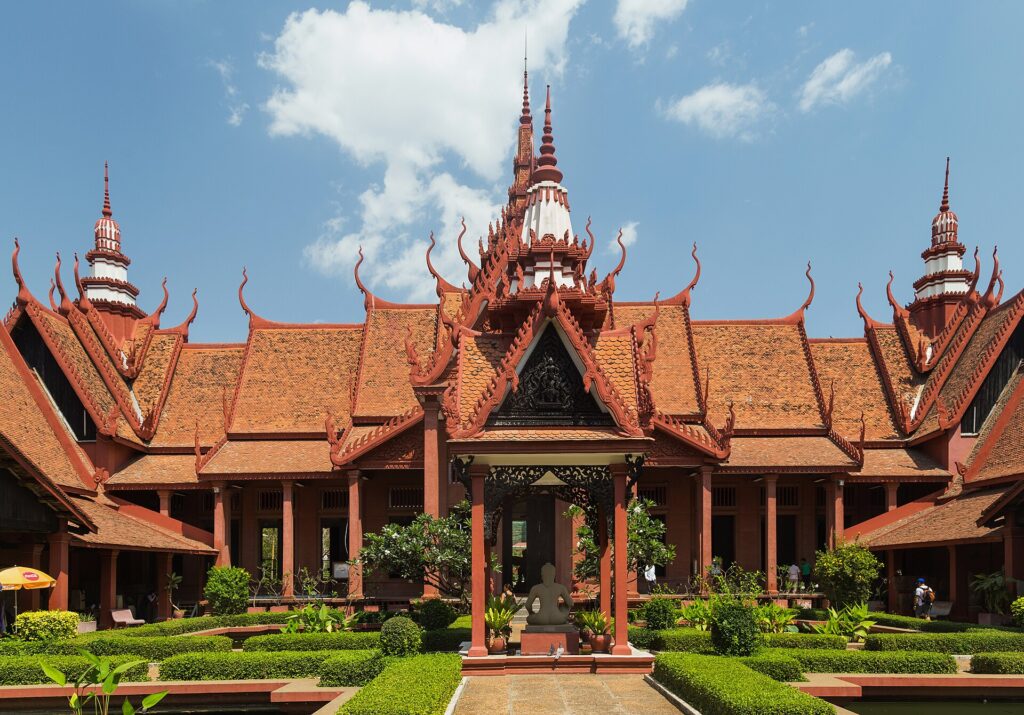
The National Museum of Cambodia in Phnom Penh holds the world's largest collection of Khmer art, more than 14,000 objects from prehistory to the post-Angkor period.…
Where
Corner of Street 13 and Street 178, beside the Royal Palace, Phnom Penh
Opened
13 April 1920, designed by George Groslier
Read more
Free, no-obligation enquiry
Tell us about your trip
Enquiry received
Thank you — a local specialist will be in touch within 24 hours.