Families, and anyone who wants an hour that is not a temple
MuseumsType
In short
The APOPO Visitor Centre in Siem Reap explains Cambodia's landmine legacy and introduces the HeroRATs, African giant pouched rats trained by the non-profit APOPO to detect mines by smell. Guided tours of 45 to 60 minutes run every half hour from 8:30 am to 4:30 pm daily, with a live demonstration and usually a chance to hold a rat. Adults pay $10, children under 10 go free, and ticket income supports mine clearance.
Northern Siem Reap, on the way to the Angkor temples
Run by
APOPO, a Belgian non-profit, working in Cambodia since 2014
Opening hours
Daily, 8:30 am to 5:00 pm
Tours
Every 30 minutes, last tour 4:30 pm
Time needed
45 minutes to an hour
Tickets
$10 adults, free for children under 10
Booking
Online booking recommended in high season
Highlights
Live mine-detection demonstration and meeting the rats
Good for
Families with children
Where the money goes
Ticket income supports mine clearance
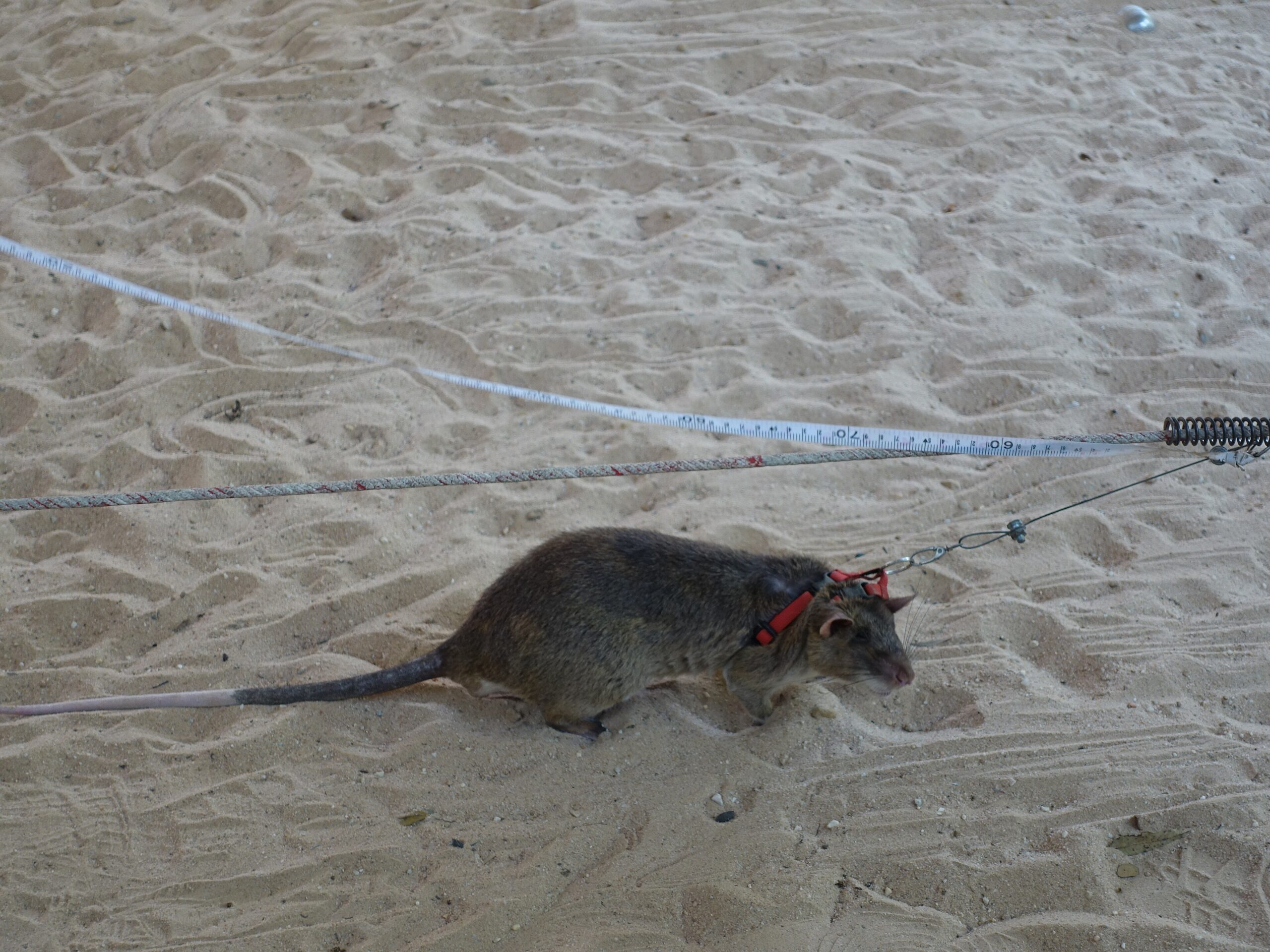
The APOPO Visitor Centre in Siem Reap is where you meet the HeroRATs: African giant pouched rats trained to sniff out landmines in the Cambodian countryside. In under an hour you learn why Cambodia is still clearing mines decades after its wars, watch a rat at work on a demonstration field and, usually, get to hold one.
2014APOPO starts work in Cambodia
$10Adult ticket; under 10s free
45 to 60 minLength of a tour
30 minFor a rat to search a tennis court
10 to 15 minBy tuk-tuk from central Siem Reap
It is one of the most rewarding hours you can spend in Siem Reap away from the temples. Children love the rats, adults leave understanding something important about modern Cambodia, and your ticket helps pay for the clearance work it describes.
Why Cambodia still has landmines
From the late 1960s to the late 1990s, Cambodia lived through civil war, the Khmer Rouge regime, the Vietnamese invasion and years of guerrilla fighting. All sides laid landmines, especially along the border with Thailand in the north-west. Unexploded bombs and shells were also left behind from the heavy bombing of the late 1960s and early 1970s.
Clearance has made huge progress, and the areas that visitors normally go to, including the Angkor temples and main roads, are safe. But in some rural areas mines and unexploded ordnance still limit where families can farm, build and send their children to school. That is why organisations such as APOPO, working alongside Cambodian demining authorities, are still in the field.
How the HeroRATs work
APOPO is a Belgian non-profit organisation that trains African giant pouched rats, which it calls HeroRATs, to detect the explosive in landmines by smell. The rats are bred and trained in Tanzania before being deployed in countries including Cambodia.
Safety
Too light to set off a mine
The rats are far too light to trigger a mine when they walk over it. That is the whole reason the method works, and why no rat has been killed on the job.
Speed
Faster than a metal detector
A trained rat can search an area the size of a tennis court in about 30 minutes. A person with a metal detector could take up to four days, because they have to check every piece of scrap metal.
Training
Food as the reward
The rats learn to associate the smell of explosive with a treat. When one finds a mine, it stops and scratches the ground, and its handler rewards it with banana or peanuts.
Teamwork
Rats, dogs and people
Rats work on long lines between two handlers. APOPO also uses detection dogs and human deminers, and specialist teams safely destroy every mine that is found.
According to APOPO, its teams have released more than 40 square kilometres of land in Cambodia since 2014. Once cleared, the land is handed back to communities for farming, housing and schools.
Magawa, the most famous rat
The best-known HeroRAT of all worked here in Cambodia. Magawa was trained in Tanzania and spent five years clearing land in Siem Reap province.
2016
Magawa arrives in Cambodia and begins work in the minefields of Siem Reap province.
September 2020
He becomes the first rat to be awarded the PDSA Gold Medal, a British award for animal bravery.
June 2021
Magawa retires. Over his career he has helped clear more than 141,000 square metres of land, the equivalent of about 20 football pitches, and found more than 100 landmines and items of unexploded ordnance.
January 2022
Magawa dies peacefully at the age of eight.
3 April 2026
A stone statue of Magawa, carved by Cambodian artisans, is unveiled in Siem Reap.
What happens on a visit
Visits are by guided tour, which starts every half hour and lasts 45 minutes to an hour. Groups are usually small, and the guides are engaging and happy to answer questions.
Introduction A short presentation on Cambodia’s conflict history and the landmine problem today
Exhibits Deactivated mines and ordnance, and stories of the people and communities affected
Demonstration A HeroRAT searches the training field and signals where a mine is buried
Meet the rats Usually a chance to hold or stroke one and take a photo
Film and questions A short video on APOPO’s wider work, and time to ask questions
There is a small shop selling APOPO souvenirs and local crafts, and you can adopt a HeroRAT to support the work after you go home. Drinks are available at the centre.
Opening hours and tickets
Opening hours
Every day, 8:30 am to 5:00 pm
Tours
Every 30 minutes; last tour at 4:30 pm
Tour length
45 minutes to an hour
Adults
$10
Children under 10
Free
Booking
Online booking recommended, especially in high season
Where the money goes
Ticket income supports APOPO’s mine clearance work
Prices and tour times are as published by APOPO. Check its booking page before you go, as schedules can change on public holidays.
Tips for your visit
Our advice
Book ahead. Tours fill up in the busy season from November to March, particularly in the late afternoon.
Combine it with Angkor. The centre is on the way back from the temples, so it fits neatly into the early afternoon, after a morning at Angkor Wat.
Bring the children. It is one of the most family-friendly things to do in Siem Reap. The rats are gentle and the guides pitch the talk well for young visitors.
Ask about adoption. Adopting a rat makes a meaningful gift and keeps you connected to the work.
Please do
Follow the handler’s instructions when holding a rat
Stay behind the barrier during the demonstration
Ask questions; the guides enjoy them
Please don’t
Touch or feed the rats without permission
Use flash close to the animals
Wander off marked paths in rural areas anywhere in Cambodia
Wherever you travel in the Cambodian countryside, stick to paths and roads that are clearly in use. The main tourist sites are safe, but it is a sensible rule in remote border areas.
How to get there and what is nearby
The centre is on the northern side of Siem Reap, on the way between the town and the Angkor temples. From the Old Market or Pub Street it is a 10 to 15 minute tuk-tuk ride, and any driver can take you. PassApp and Grab both work in Siem Reap.
To learn more about Cambodia’s recent history, the War Museum Cambodia is also on the edge of town and pairs well with APOPO. For the ancient story, the Angkor National Museum is a good introduction before you head out to Angkor Wat itself.
Visiting with My Travel Factory
We can build the APOPO Visitor Centre into your Siem Reap days, timed between temple visits, with a guide who can add context on Cambodia’s recovery. It fits especially well into our Siem Reap Slow Travel journey and our family trips. Send us an enquiry and we will plan a Siem Reap stay that goes beyond the temples.
Questions travellers ask
What are the APOPO Visitor Centre opening hours?
It is open every day from 8:30 am to 5:00 pm, with guided tours every 30 minutes and the last tour at 4:30 pm.
How much does the APOPO Visitor Centre cost?
Adults pay $10 and children under 10 go free. Check APOPO's booking page for current prices.
Do I need to book the APOPO tour in advance?
It is recommended, especially from November to March, when tours can fill up.
Are the rats harmed when they search for mines?
No. They are too light to set off a mine when they walk over it, which is why the method works.
How long is the APOPO tour?
Between 45 minutes and an hour, including the talk, the demonstration and time with the rats.
Can you hold the rats at APOPO?
Usually, yes. Most tours end with a chance to hold or stroke a HeroRAT under a handler's supervision.
Is APOPO good for children?
Yes. It is one of the most family-friendly activities in Siem Reap, and children under 10 enter free.
Who was Magawa?
Magawa was a HeroRAT who cleared land in Siem Reap province for five years and became the first rat to receive the PDSA Gold Medal for bravery. A statue of him was unveiled in Siem Reap in 2026.
Is Cambodia still affected by landmines?
Yes, in some rural areas, especially near the Thai border. The main tourist sites and roads are safe, but clearance work continues.
How far is APOPO from Angkor Wat?
The centre is on the way between Siem Reap town and the temples, so it is easy to visit after a morning at Angkor.
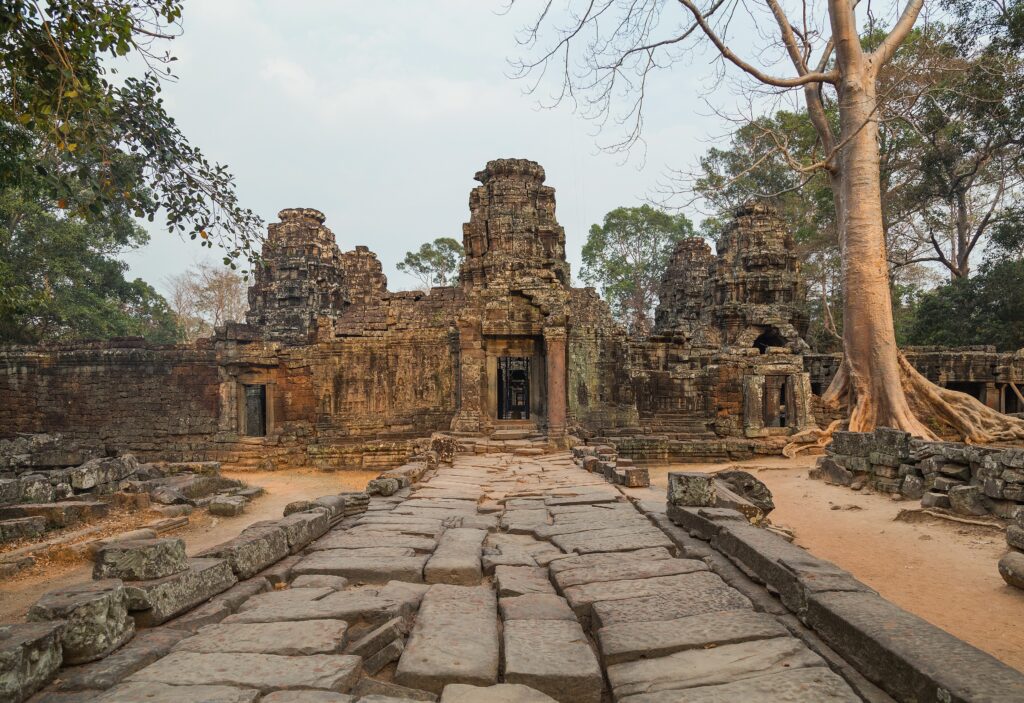
Banteay Kdei is a late 12th-century Buddhist monastery temple in the Angkor Archaeological Park, built by King Jayavarman VII in the Bayon style. It lies just…
Where
Small Circuit, Angkor Archaeological Park, just east of Ta Prohm
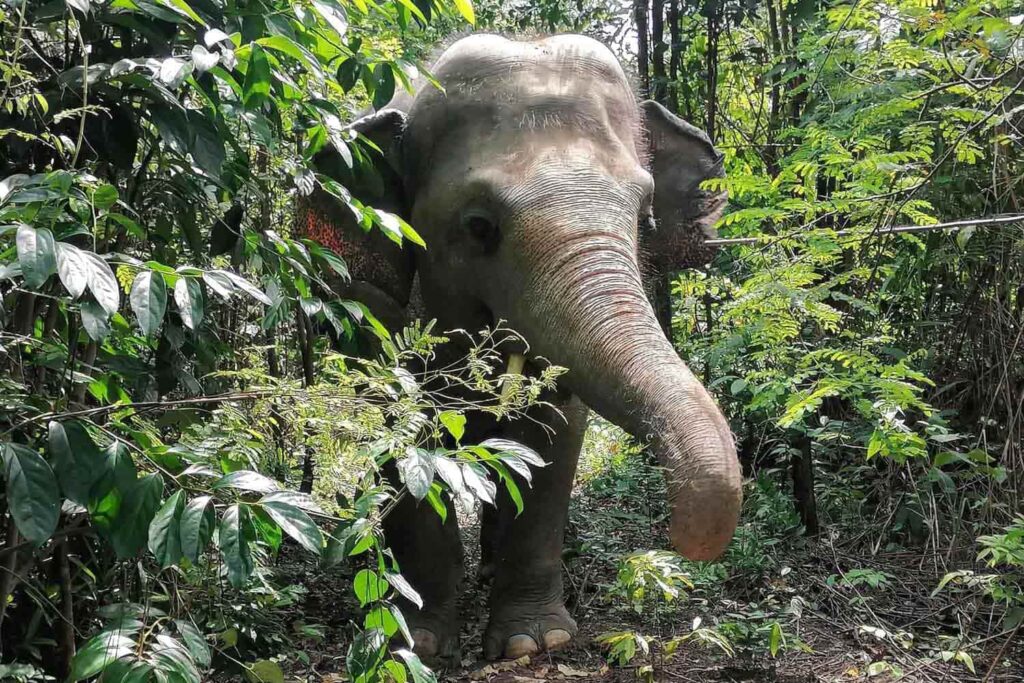
Cambodia Wildlife Sanctuary is an elephant rescue and forest conservation project about 100 km north of Siem Reap, developed with the Save Elephant Foundation. It protects…
Where
About 100 km north of Siem Reap, on the edge of Kulen Promtep Wildlife Sanctuary