Families, photographers and anyone after a fun, only-in-Cambodia ride
Palaces and landmarksType
In short
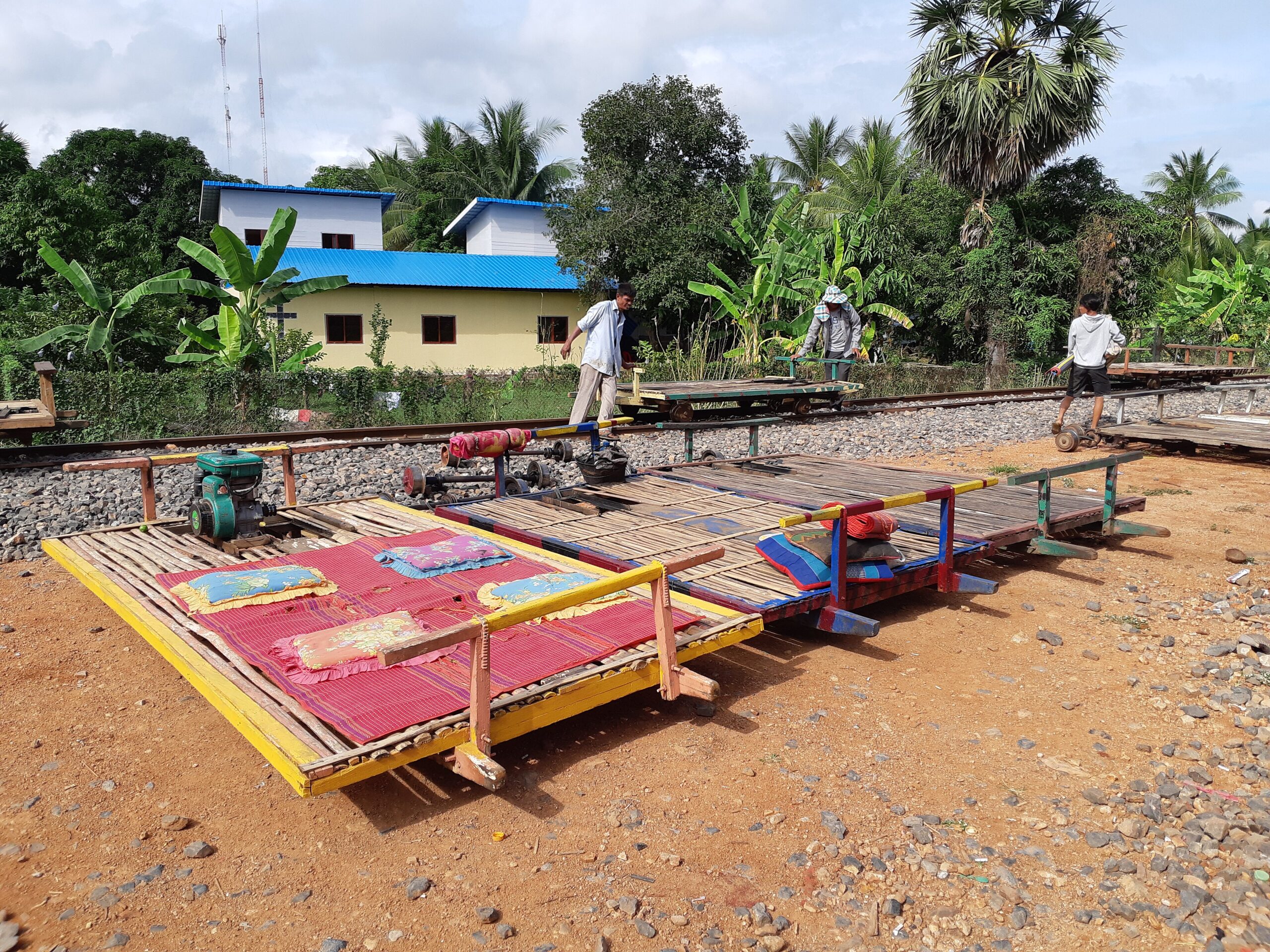
The Battambang bamboo train, or norry, is a bamboo platform on steel wheels, driven by a small engine along railway tracks through the countryside. The original line near town stopped when the railway was restored in 2017, and a tourist line opened near Phnom Banan, about 20 km south of Battambang, in 2018. Rides take 15 to 20 minutes each way and cost a few dollars.
A bamboo platform on steel wheels, driven by a small engine along the rails
Where
Tourist line near Phnom Banan, about 20 km south of Battambang
Length
About 4 km, 15 to 20 minutes each way
Fare
Reported at $5 to $7 per foreign visitor; confirm locally
Opening hours
Daytime, reported as about 7:00 am to 5:00 pm; confirm locally
Top speed
Up to about 40 km/h
History
Original line near town stopped in 2017; Banan line opened January 2018
Best time
Early morning or late afternoon
Pair with
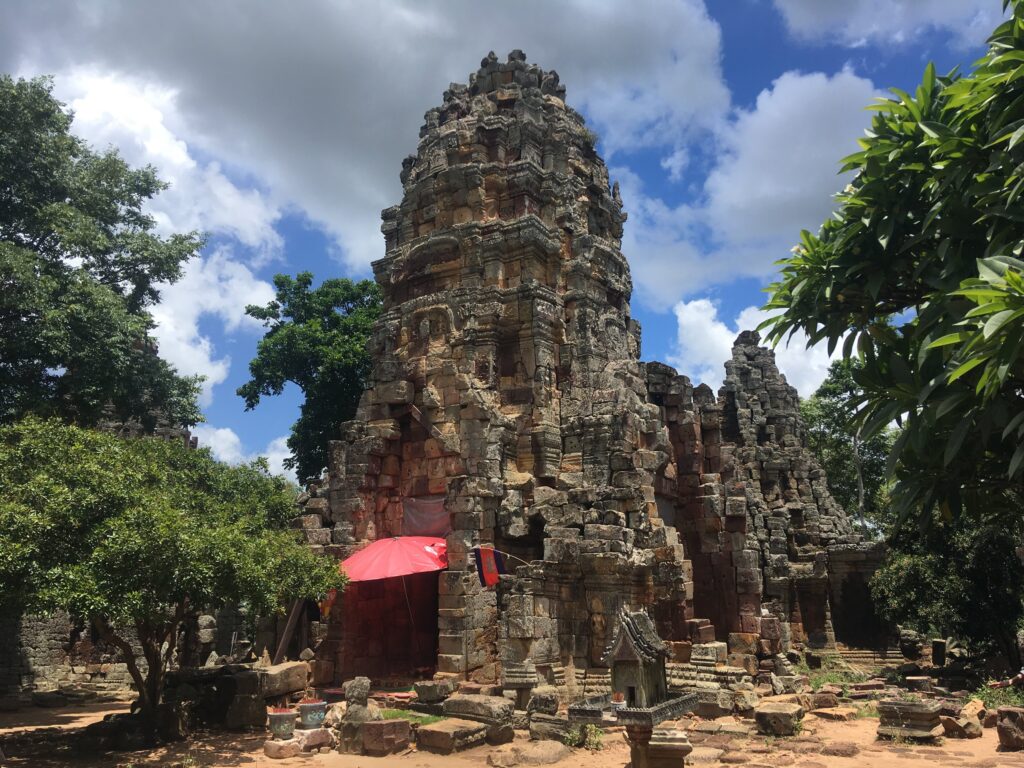
Wat Banan, the Banan winery and Phnom Sampeau
Bring
Hat with a strap, sunscreen, water and cash
The Battambang bamboo train, or norry, is a small bamboo platform on two sets of steel wheels, powered by a little engine, that rattles along old railway tracks through the rice fields. Born out of necessity after decades of war, it became one of Cambodia’s most famous and unusual experiences. Today you can ride a purpose-built tourist line near Phnom Banan, about 20 kilometres south of Battambang.
NorryThe Khmer name
Up to 40 km/hTop speed
About 4 kmLength of the Banan line
15 to 20 minEach way
$5 to $7Reported fare per person
Riding the bamboo train is pure, simple fun. You sit on a cushion a few centimetres above the rails, the engine sputters into life, and the platform picks up speed through palms, paddies and farmland. It is noisy, bumpy and breezy, and most people come back grinning. It pairs naturally with the hilltop temple of Wat Banan nearby.
How the bamboo train works
The platform
Bamboo on a frame
A light frame covered with bamboo slats, about the size of a double bed, simply rests on two axles. Nothing is bolted down, which is the secret of the whole system.
The wheels
Salvaged steel
The wheels and axles were traditionally salvaged metal, famously including parts from old military vehicles. They sit loosely on the metre-gauge rails.
The engine
A belt-driven motor
Early norries were pushed along with poles. Later a small motorcycle or tractor engine was added, driving the rear axle with a rubber belt.
The rule of the road
Lightest one moves
There is only one track. When two norries meet, the one with the lighter load is lifted off the rails in pieces, the other passes, and it is put back together. It takes about a minute.
History of the norry
French colonial era
The French build a metre-gauge railway across Cambodia, including the northern line through Battambang towards the Thai border.
1970s
Under the Khmer Rouge and in the long civil war that follows, the railway falls into disrepair and regular services largely stop.
1980s to 2000s
Villagers improvise the norry to use the abandoned tracks, carrying rice, animals, goods and people between communities. For years it is the only way to use the line.
2000s to 2017
The norry near Battambang becomes a much-loved attraction for travellers, running from the edge of town through the countryside.
2017 to 2018
The railway is restored for regular train services, and the original bamboo train near town stops. In January 2018 a new tourist line opens near Phnom Banan.
Today
The Banan line is the main way to ride. Some recent travel reports say rides have also restarted near town on the restored line at times when no trains are due; ask locally.
Which bamboo train can you ride today?
This is the question most travellers ask, and the answer has changed over the years.
The Banan bamboo train is the one most visitors ride today. It runs on a short track, about 4 kilometres, built for the purpose near Phnom Banan, about 20 kilometres south of Battambang. Norries here have padded seats and cushions, and there is a short stop at the far end with stalls selling drinks and snacks.
The original line near town ran on the national railway about 5 kilometres from the centre. It closed when the railway was restored. Some recent guides report short rides there again, fitted around the train timetable, while others say it is closed. Your tuk-tuk driver will know the current situation.
The Banan ride is more polished and less raw than the old norry used to be, but it is still unlike anything else in Cambodia, and the scenery is lovely.
Prices and opening hours
Fare
Reported at $5 to $7 per foreign visitor on the Banan line; a private platform costs more. Confirm locally
Opening hours
Daytime, reported as about 7:00 am to 5:00 pm; confirm locally
Ride time
15 to 20 minutes each way, with a short stop at the far end
Total time
About an hour on site; a half day including the trip from Battambang
Best time
Early morning or late afternoon, for softer light and cooler air
Payment
Cash, in US dollars or riel
How to get there
The Banan bamboo train starts near the foot of Phnom Banan, about 20 kilometres south of Battambang town. By tuk-tuk it takes 40 minutes to an hour along the Sangker River road, passing stilt houses and rice fields. Drivers in town offer round trips or full countryside days that combine it with other sights.
A classic Battambang day links the bamboo train with Wat Banan in the morning and Phnom Sampeau at dusk for the bat exodus.
8:00 am Leave Battambang along the river road
9:00 am Climb the 358 steps to Wat Banan
11:00 am Ride the bamboo train
12:30 pm Lunch in the countryside, or a tasting at the Banan winery
4:30 pm Phnom Sampeau and the bats at sunset
Tips for your ride
Our advice
Hold on to loose things. Hats, sunglasses and phones can fly off at speed. Keep bags on your lap.
Bring sun cover. There is no shade on the platform. A hat with a strap, sunscreen and water help.
Agree the price first. Confirm the fare for your group before you board, and whether it is per person or per platform.
Buy from adults, not children. At the stop, choose stalls run by adults; buying from children encourages them to miss school.
Please do
Stay seated while the norry is moving
Keep hands and feet inside the platform
Step well clear when platforms are lifted off
Tip your driver if you enjoyed the ride
Please don’t
Stand up or dangle your legs over the rails
Walk along the track
Try to lift a platform without being asked
Leave litter along the line
For more of rural Battambang, from homestays to rice farming and village cooking, see our village experiences.
Visiting with My Travel Factory
We plan unhurried Battambang days with a local guide and driver, combining the bamboo train with Wat Banan, village visits and Phnom Sampeau at sunset. It is part of our Grand Cambodia journey, and we can add a Battambang stop to any trip between Siem Reap and Phnom Penh.
Questions travellers ask
What is the Battambang bamboo train?
It is a norry: a light bamboo platform resting on two steel axles, powered by a small engine with a belt drive. Villagers invented it to use abandoned railway tracks, and it is now a popular ride for visitors.
Is the Battambang bamboo train still running?
Yes. The original line near town stopped in 2017 when the railway was restored, but a tourist line near Phnom Banan has run since 2018. Some reports say short rides have restarted near town at times; ask locally.
Where is the bamboo train in Battambang?
The tourist line starts near Phnom Banan, about 20 km south of Battambang town, a 40 minute to one hour tuk-tuk ride away.
How much does the bamboo train cost?
Recent reports give $5 to $7 per foreign visitor on the Banan line, with private platforms costing more. Confirm the price before you board.
How long is the bamboo train ride?
About 15 to 20 minutes each way on a track of about 4 km, with a short stop at the far end.
What happens when two bamboo trains meet?
The platform with the lighter load is lifted off the track and taken apart, the other passes, and it is reassembled. It takes about a minute.
Is the bamboo train safe?
It is generally safe if you stay seated, hold on and keep hands and feet inside the platform. The ride is bumpy and there is no shade.
Is the bamboo train good for children?
Most children love it. Keep little ones on your lap and hold on to hats and loose items.
Can I combine the bamboo train with other sights?
Yes. It is close to Wat Banan and the Banan winery, and many people finish the day at Phnom Sampeau for the bats at sunset.
What should I bring on the bamboo train?
A hat with a strap, sunscreen, water and small cash in US dollars or riel.