Ethical wildlife
Elephant projects in Mondulkiri
Seeing elephants the right way, in real forest
Wildlife and conservationType
Seeing elephants the right way, in real forest
The elephant projects in Mondulkiri are sanctuaries around Sen Monorom, in Cambodia's eastern highlands, where retired logging and riding elephants live in protected forest. At ethical, observation-only projects such as the Elephant Valley Project, founded in 2006, you walk with a guide through the forest and watch the elephants behave naturally, with no riding, bathing, feeding or tricks. A full day there costs $100 for foreign visitors at the time of writing.
September 2026
Photo: Peoumono, via Wikimedia Commons (CC BY-SA 4.0)
Swipe to see more photos
The elephant projects in Mondulkiri, in Cambodia’s cool eastern highlands, give retired working elephants a second life in the forest around Sen Monorom. At the best of them you do not ride, wash or feed the elephants. You walk quietly behind a small herd with a guide and watch them do what elephants do: browse, dust-bathe, wallow and socialise.
This is a place for patience rather than photo opportunities. The reward is subtler and far more memorable: the sound of an elephant tearing bamboo a few metres away, or a whole herd moving silently through trees.
Mondulkiri is Cambodia’s largest and least populated province, a plateau of rolling grassland, pine and evergreen forest on the border with Vietnam. The provincial town, Sen Monorom, sits at about 800 metres, so the air is noticeably cooler than in Phnom Penh, especially at night.
The indigenous Bunong people have lived alongside elephants here for centuries. Elephants were part of family life and ceremony, and were used to haul timber and carry goods. As logging and tourist riding grew, many were worked hard, and some were injured or exhausted.
The better Mondulkiri projects were set up to change that. They pay Bunong owners and mahouts to retire their elephants into protected forest, which gives the animals a better life and gives local families an income that does not depend on working them. That model is what you are supporting when you visit.
Almost every elephant operation in Asia now calls itself a sanctuary, so the word alone means little. We use a simple test, and we only send guests to projects that pass it.
No saddles, no bareback rides, no sitting on the neck for photos. Riding is the clearest sign that the elephants are still working.
Scrubbing elephants in a river is fun for people, but it is staged contact on a timetable. Elephants bathe perfectly well on their own.
Feeding sessions keep elephants close to people for the camera. At the strictest projects, elephants forage naturally and you watch from a distance.
Painting, dancing or posing on command means training for entertainment. No credible project does this.
Look for limited visitor numbers, large forest areas and elephants free to move away from people when they choose.
Bunong mahouts and owners should be paid staff, and the project should support forest protection and community work, not just tourism.
Some projects around Sen Monorom still offer hand-feeding and swimming with elephants. They are a step up from riding camps, but we prefer the observation-only approach, which puts the animals’ behaviour first.
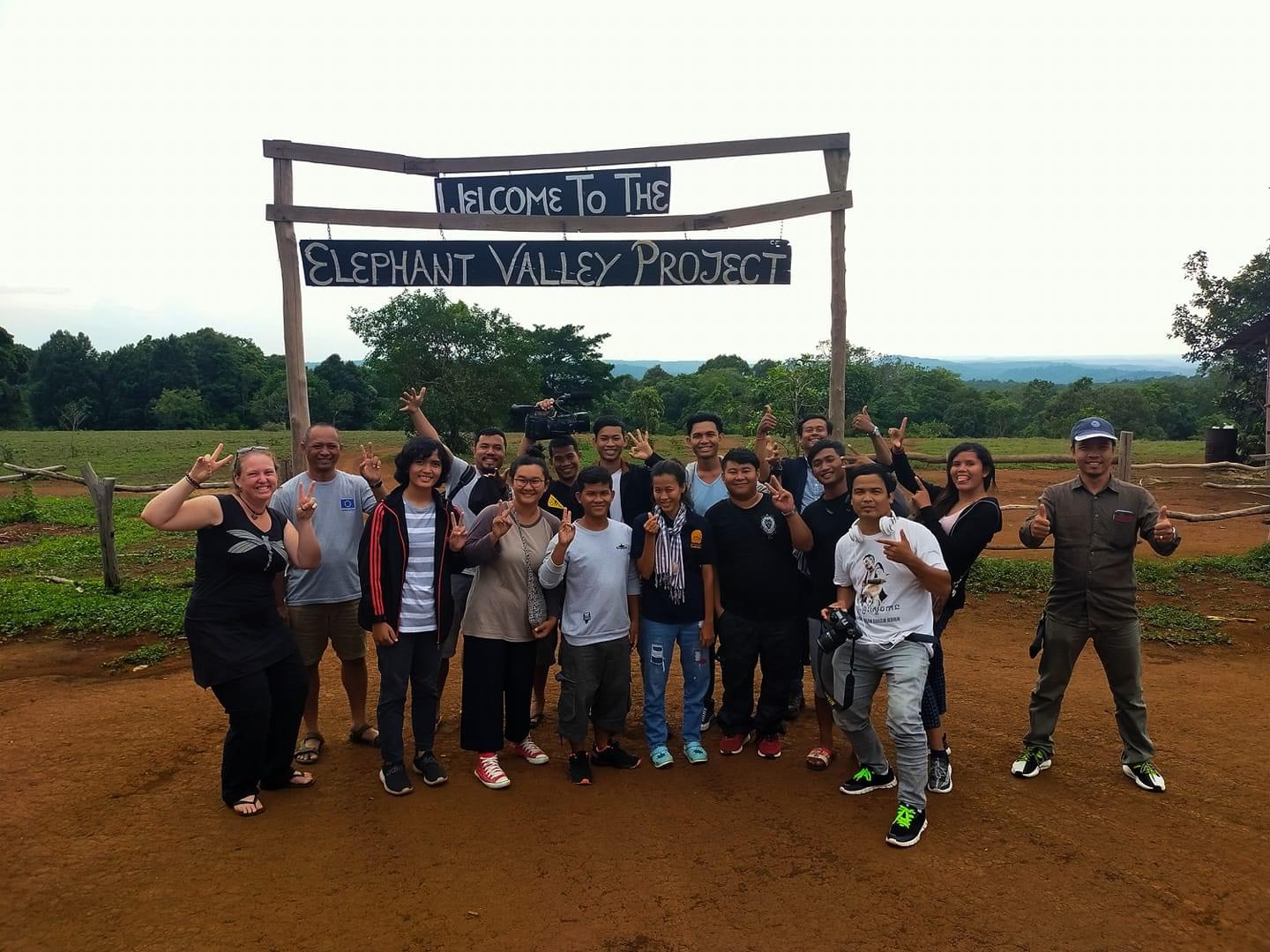
The Elephant Valley Project, run by the Cambodian NGO ELIE (Elephant Livelihood Initiative Environment), was founded in 2006 and is the best-known observation-only sanctuary in Cambodia. Its elephants live in a large area of forest outside Sen Monorom, bordering the Keo Seima Wildlife Sanctuary.
Its stated rules are short: no rides, no tricks, no feeding and no swimming. Visitors walk with a guide and the mahouts to wherever the elephants happen to be, and watch from a respectful distance. Visit fees fund the elephants’ care, the mahouts’ wages, payments to Bunong owners and forest protection work.
A full day at an observation-only project is a gentle forest walk broken up by long, quiet stops near the elephants. Expect to be on your feet for several hours, on uneven, sometimes muddy paths.
Sightings are never staged, so every day is different. On some days the elephants are close to the path; on others you walk further to find them. That uncertainty is exactly what makes it real.
These are the Elephant Valley Project’s published rates for foreign visitors at the time of writing. They change from time to time, so confirm before booking.
| Full day, two elephant hikes | $100, Sunday to Friday, 7:30 am to 5:30 pm |
|---|---|
| Half day, one elephant hike | $60, Sunday to Friday, 7:30 am to 2:00 pm |
| Full day with jungle trek | $75, Monday to Friday |
| Two days, one night | From $160, departures Monday to Thursday |
| Three days, two nights | From $280, departures Sunday to Wednesday |
| Included | Transport from Sen Monorom, English-speaking guide, lunch, water refills |
| Children | Half price for 12 and under; free for 3 and under |
| Cambodian nationals | Half the foreign rate |
| Booking | In advance; travel insurance and a waiver are required |
Elephants are large, powerful wild-minded animals, even when retired from work. The rules exist for their comfort and your safety.
Sen Monorom is in the far east of Cambodia, and the journey is part of the commitment. The road is now sealed all the way, but it is long.
Plan at least two nights in Sen Monorom: one day travelling in, one full day with the elephants, and a morning for the waterfalls before you leave. The best season is November to April, when forest tracks are dry. The wet season is greener and quieter, but walks are muddier.
Stay a little longer and the province opens up. Bou Sra waterfall, one of Cambodia’s most impressive, is under an hour from Sen Monorom by road. The viewpoint locals call the Sea Forest looks out over an ocean of trees towards Vietnam. Bunong villages, coffee farms and local markets are a quiet contrast to the busy south. Browse our wildlife experiences and village experiences for ideas.
We only work with Mondulkiri projects that are observation-focused, with no riding or bathing, and we book your elephant day well ahead so the numbers stay small. Mondulkiri features on our Mondulkiri Farm Immersion and our Highlands Expedition by dirt bike, or by private car on our tailor-made trips. Tell us your dates and we will check availability for you.