Cambodia Village Experiences
Sleep in a stilt house, wake with the roosters, ride the Bamboo Train and cycle the rice paddies — village Cambodia is the trip travellers remember above temples, islands and cities.
The most personal Cambodia
-
01
Live with a Khmer family
Stay inside a real wooden stilt house, share home-cooked meals and move at the pace of rural life — not as a customer, but as a guest.
-
02
Travel that funds the village
Cambodia's 2026 Tourism Roadmap backs community-based tourism — your money goes to villagers who guide, cook and host, not big hotels.
-
03
Genuine human connection
Being treated as a friend by a Cambodian family is, again and again, named the emotional highlight of the entire trip.
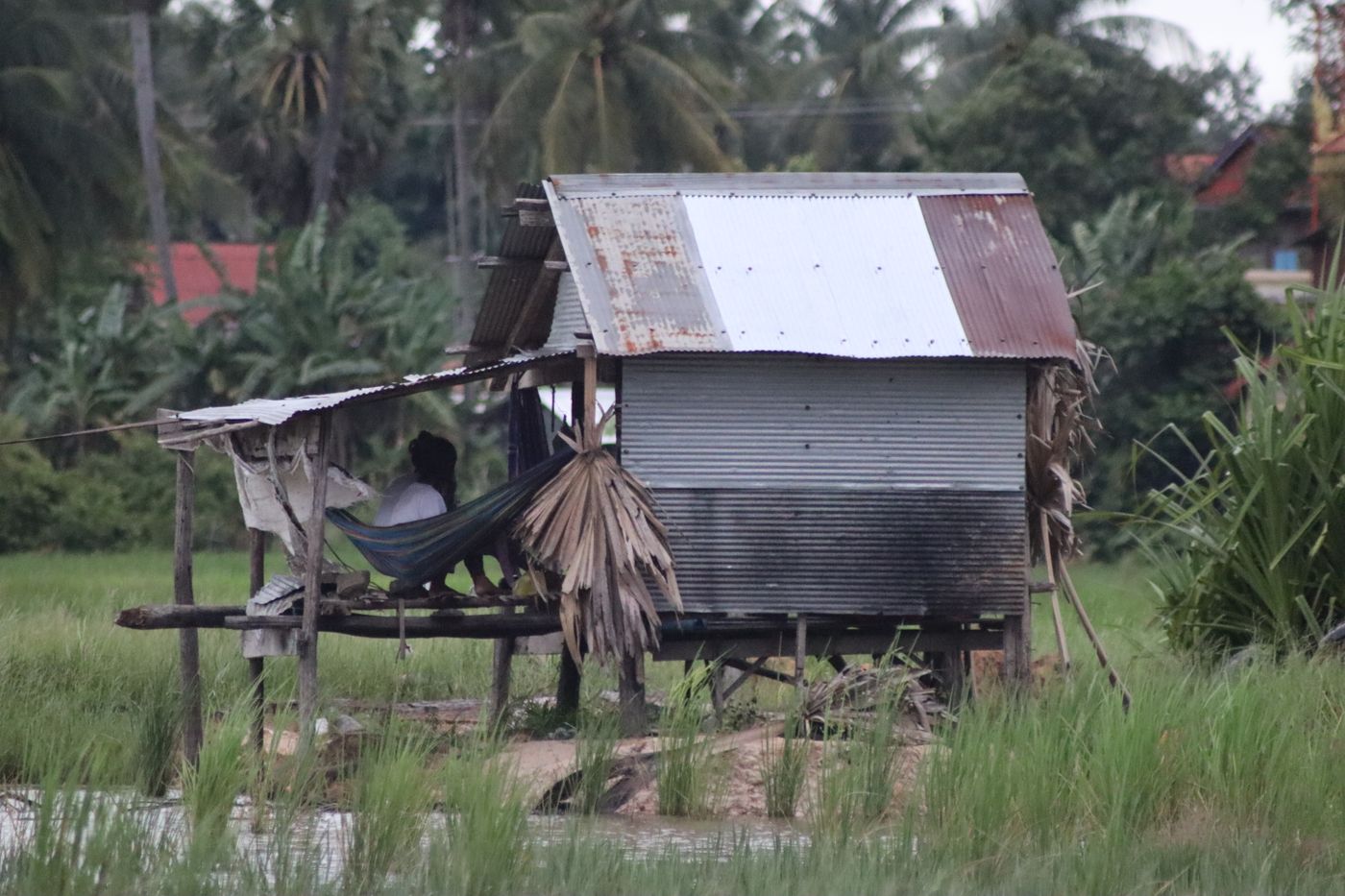
Chambok homestay
Homestays, the Norry & ecotourism
The rural experiences that define a trip into the Cambodian countryside.
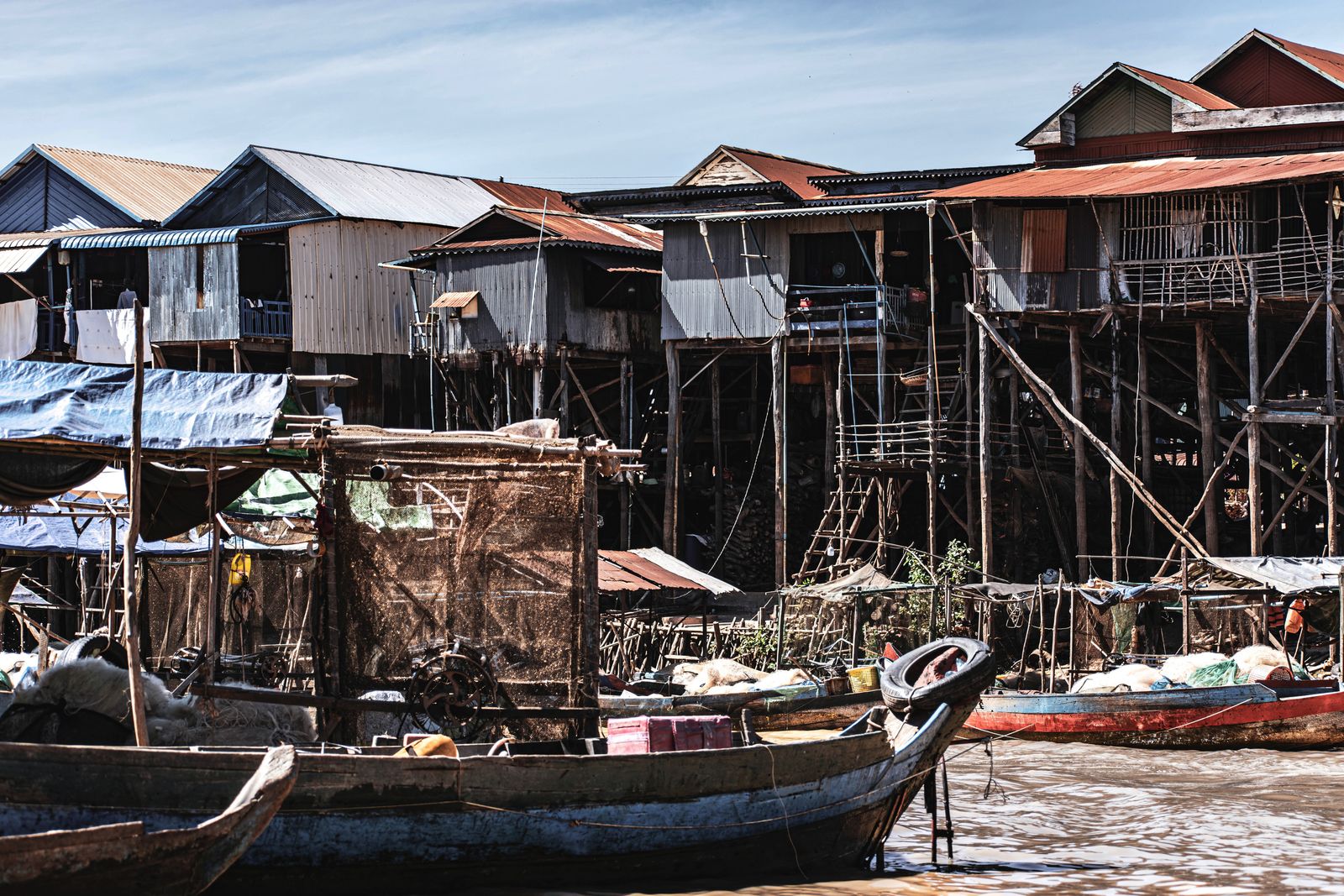
Village Homestays
Stay inside a traditional Khmer stilt house rather than a hotel — a private room with a mosquito net, meals grown in the family's own garden, and a day that follows the rhythm of the village. Among the fastest-growing experiences of 2026, and a genuinely responsible one: revenue flows straight to the families who host you.
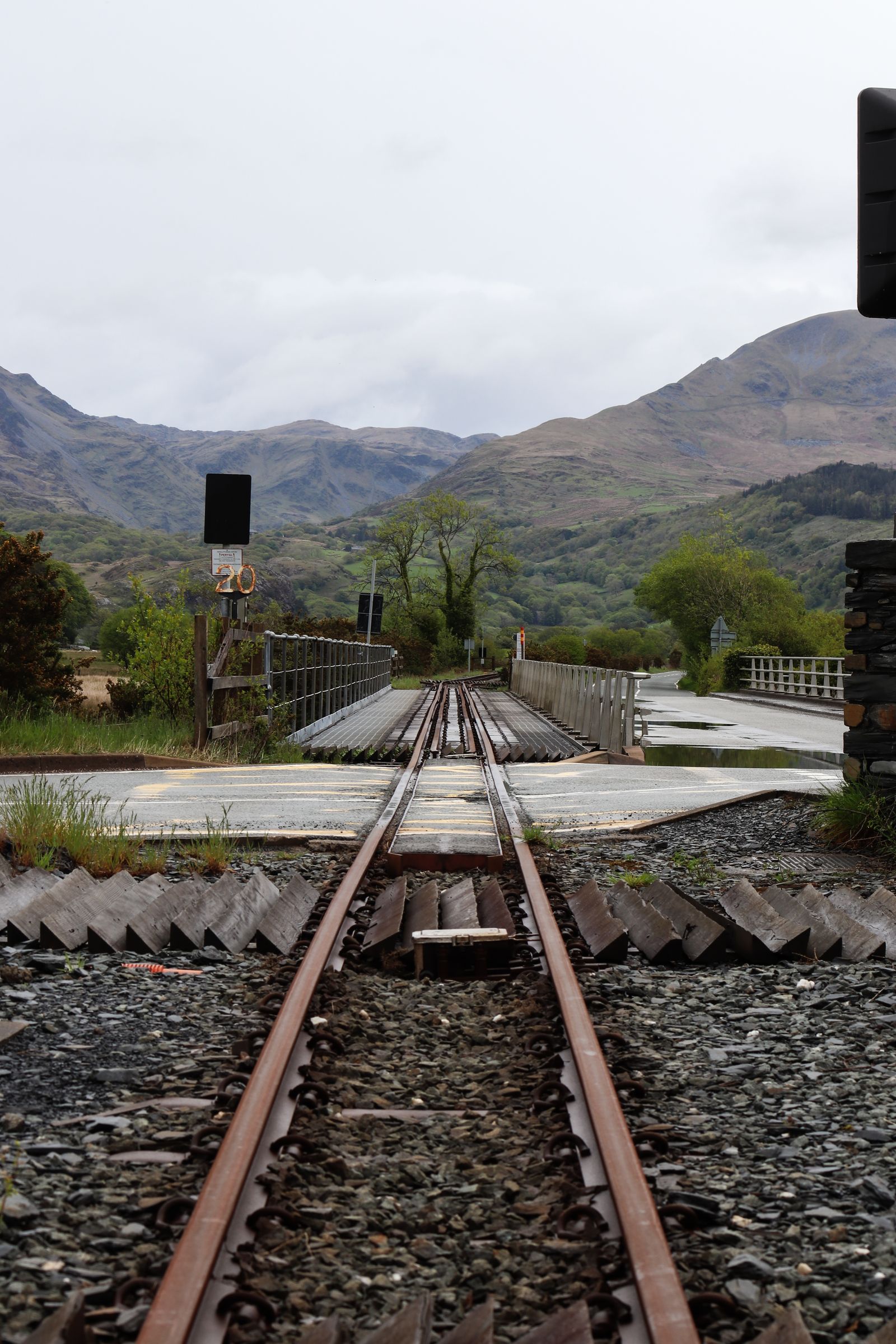
Bamboo Train (Norry) — Battambang
A flat bamboo platform on two axles, driven by a small motor, hurtling along old colonial tracks at up to 40 km/h with nothing between you and the rice fields but open air. Improvised by villagers after the Khmer Rouge destroyed the railways, it now delights every traveller — including the moment two carts meet and the lighter one is dismantled in minutes to let the other pass.
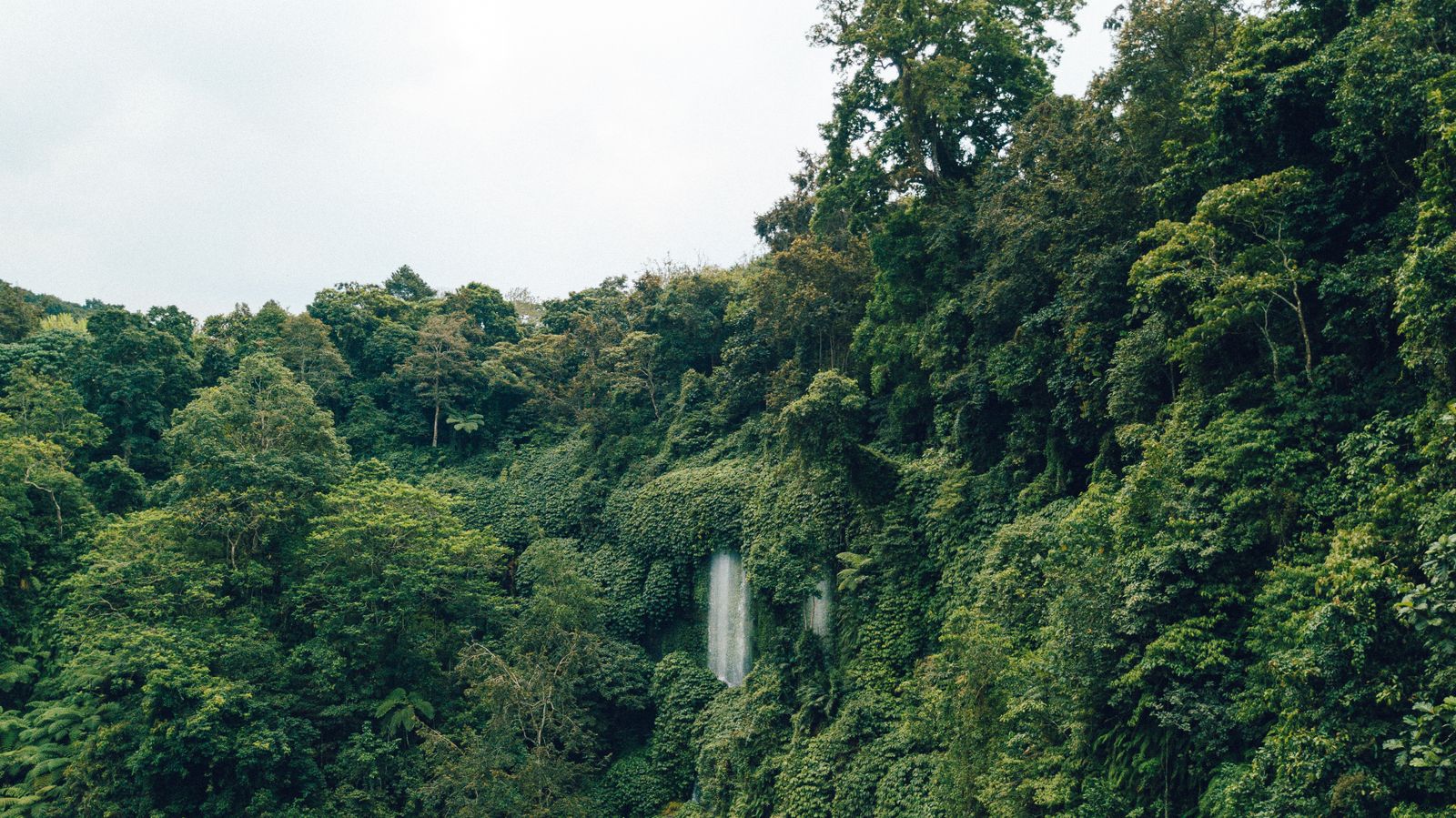
Community-Based Ecotourism
Cambodia's most celebrated CBT models. At Chi Phat in the Cardamoms, former poachers now guide treks, biking and kayaking with 100% of revenue staying local. Chambok — an ASEAN Homestay Award winner — has 30 families across nine villages running a 40 m waterfall, bat cave and forest hikes inside a 1,260-hectare forest they once logged and now protect.
A day in a village homestay
Life in a Khmer village follows the sun. Here's how a homestay day unfolds.
Wake with the village
Roosters, soft light over the rice fields, and the slow start of a rural day.
Breakfast with the family
A simple meal from the family garden and the local market, shared together.
Morning activity
A waterfall trek, a farm visit, or a bicycle ride through the paddies.
Lunch together
Home-cooked Khmer food, eaten with the family in the shade of the house.
Crafts & cooking
Hands-on weaving, bamboo sticky-rice cooking, or learning a village skill.
Dinner together
The day winds down over a shared meal as the village quietens.
Evening & early to bed
Folk dance, conversation by lamplight, then sleep under the mosquito net.
Hands-on in the village
Rice farming
Cut, bundle and thresh rice with a family in harvest season (Oct–Dec).
Silk weaving
Work a traditional wooden loom on Koh Dach, the Mekong silk island.
Sticky-rice cooking
Pack rice and coconut into bamboo and roast it over a wood fire.
Folk dance & music
Watch — or join — an evening village performance after dinner.
Tree planting
Help reforest a community-managed forest at sites like Chambok.
Coffee tasting
Sip farm-to-cup highland coffee with growers in the northeast.
Life on the water and in the fields
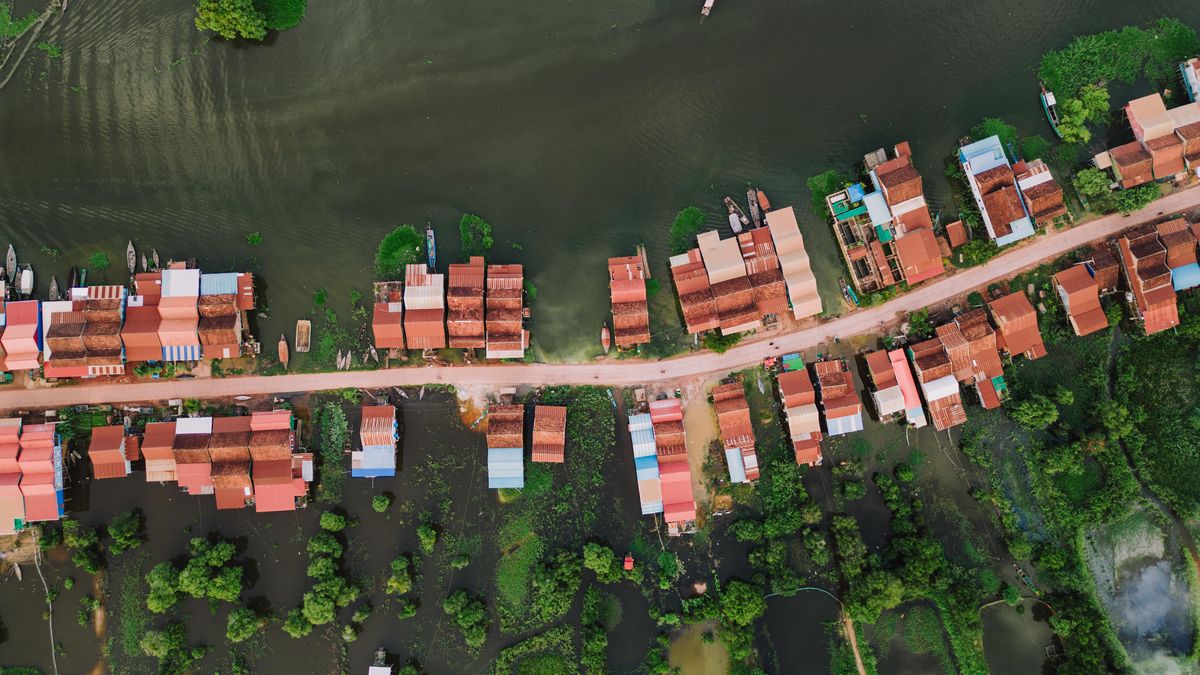
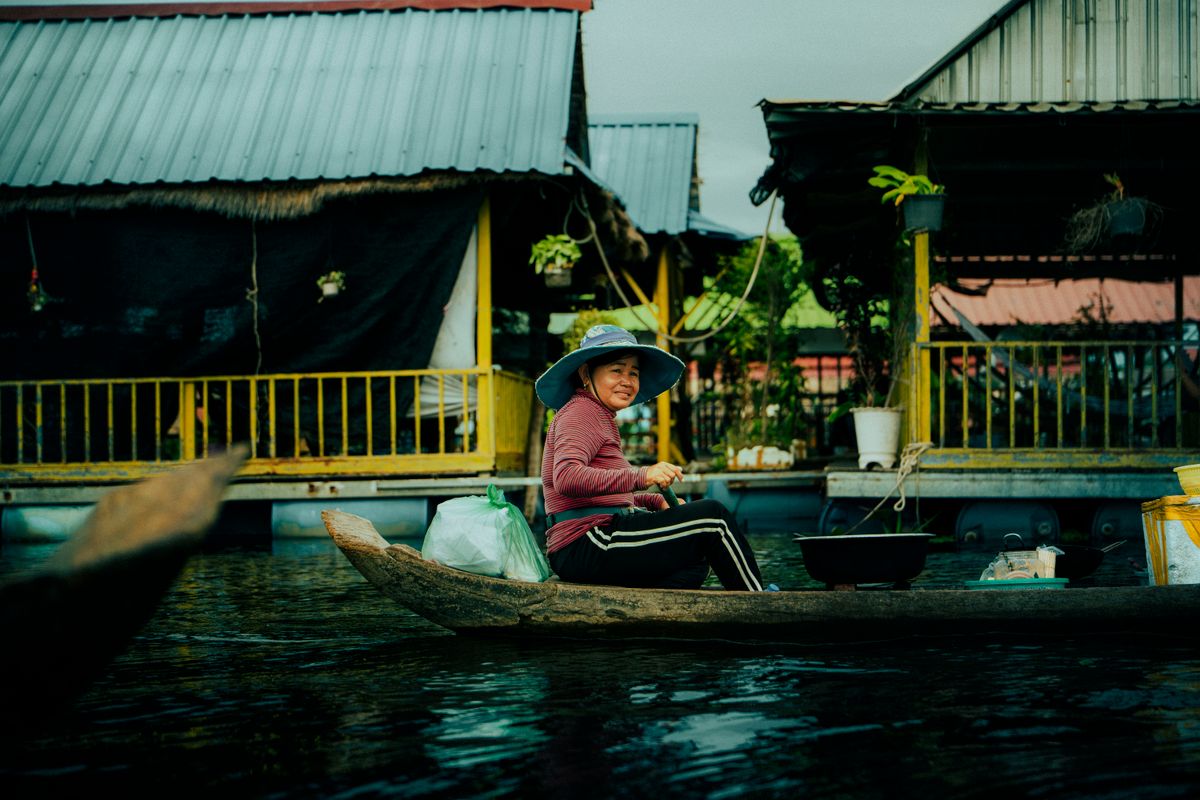
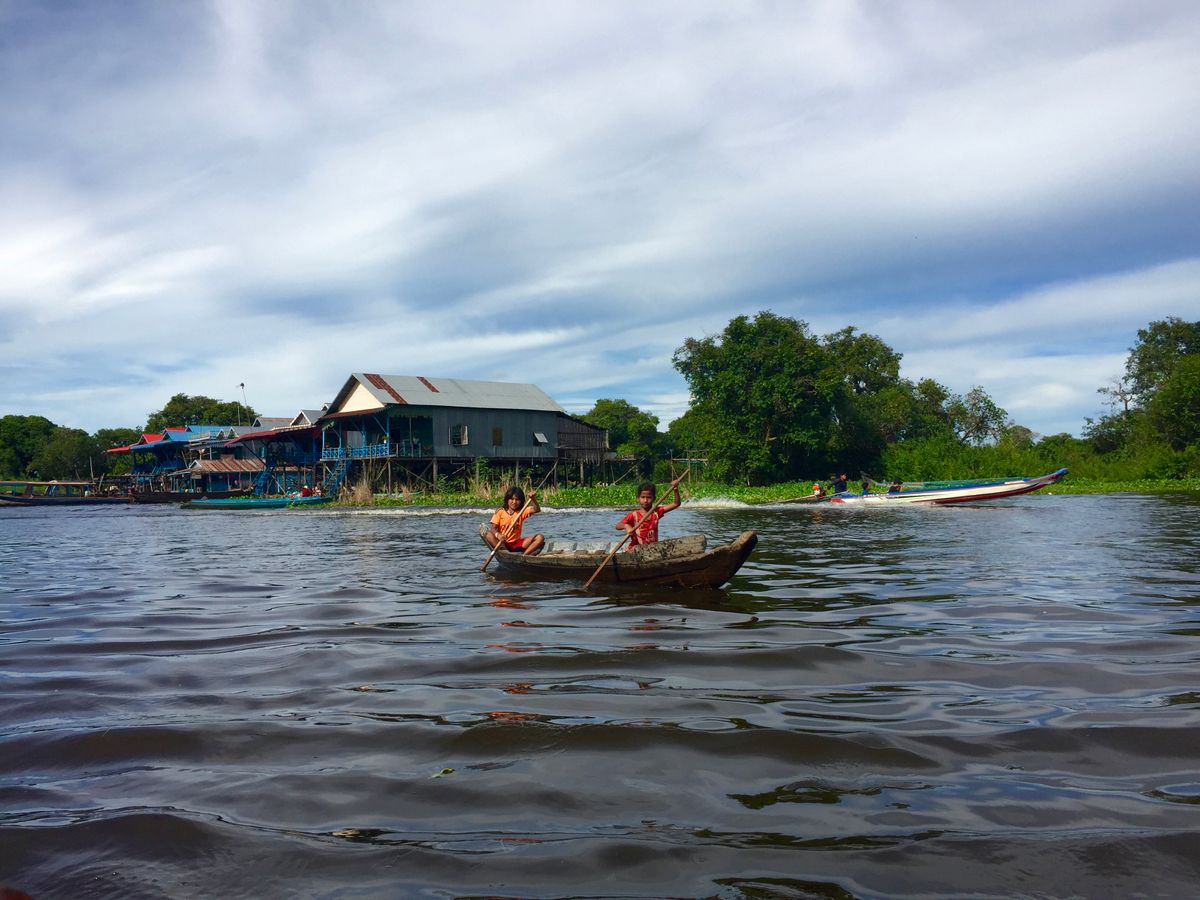
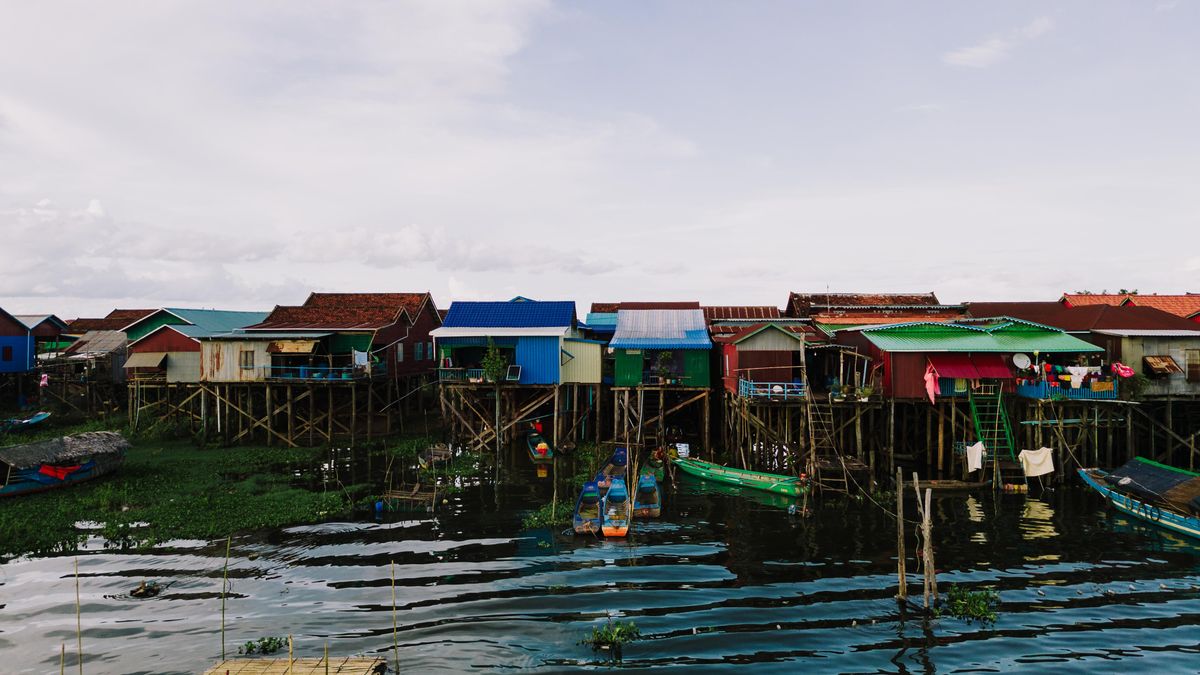
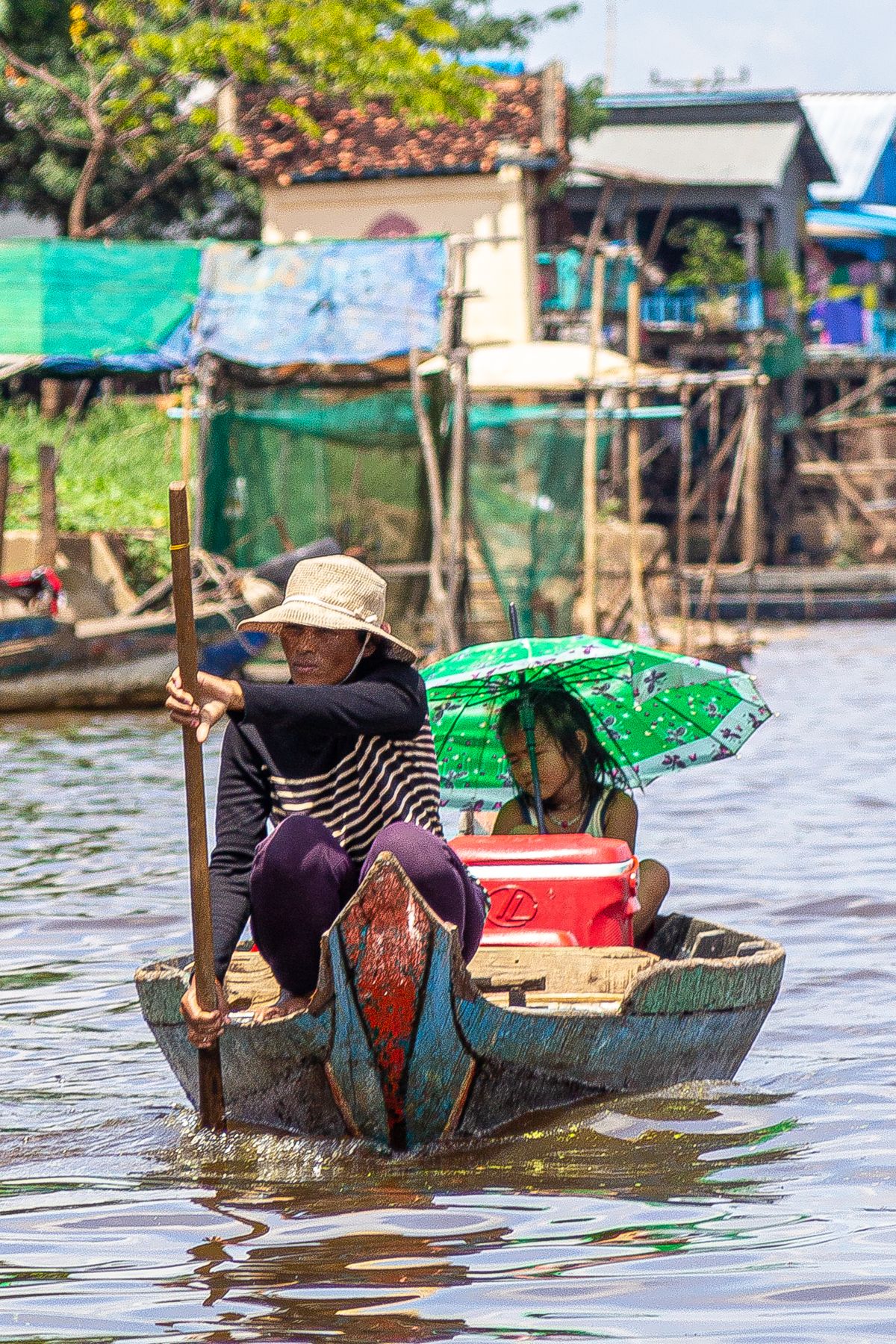
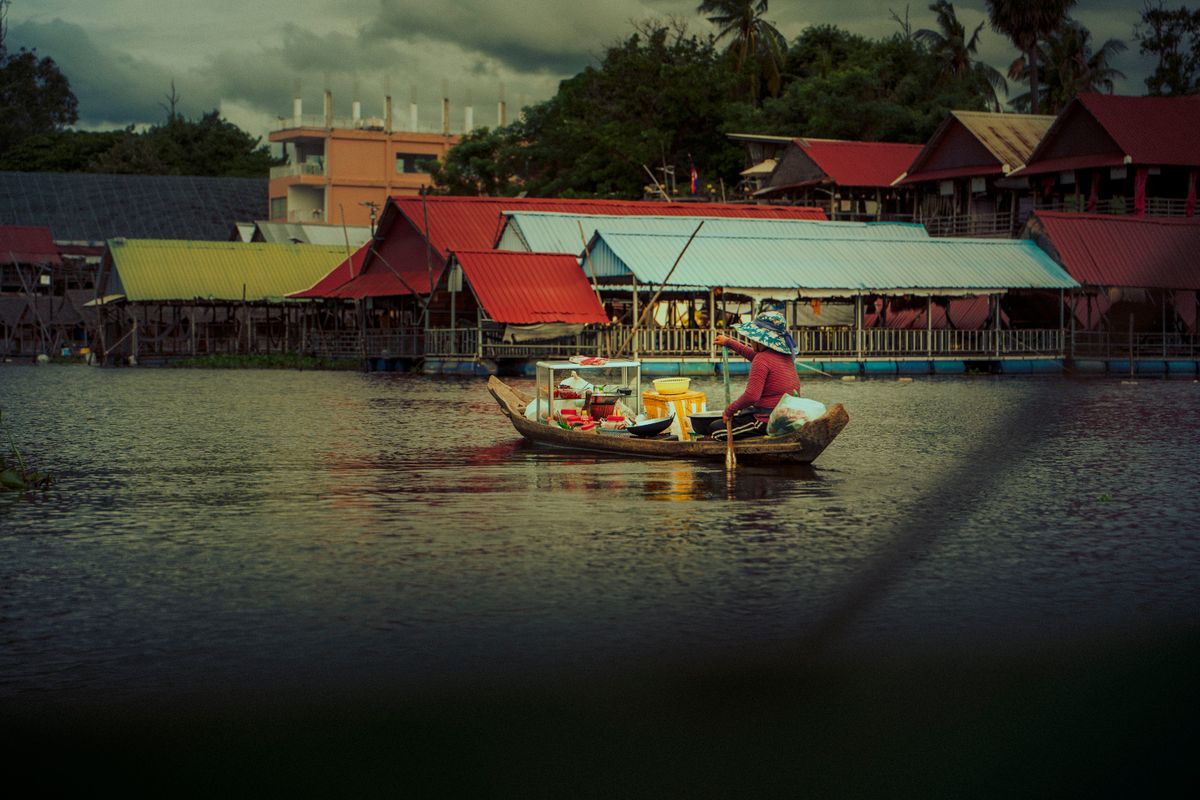
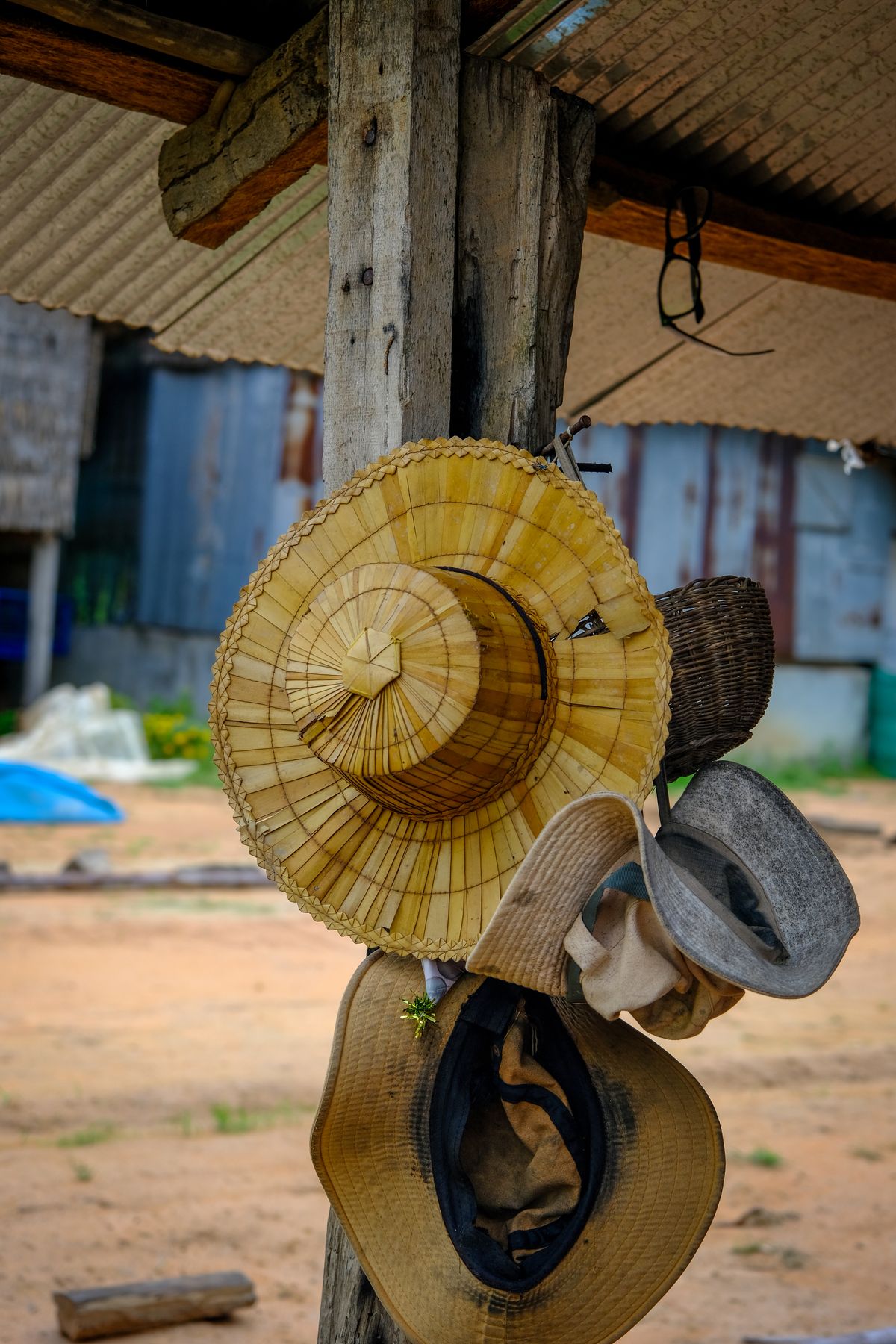
Floating villages on the Tonle Sap, stilt houses above the flood line and the rice country around them - the Cambodia most visitors only see from a bus window.
Cycle, ride, weave & the highlands
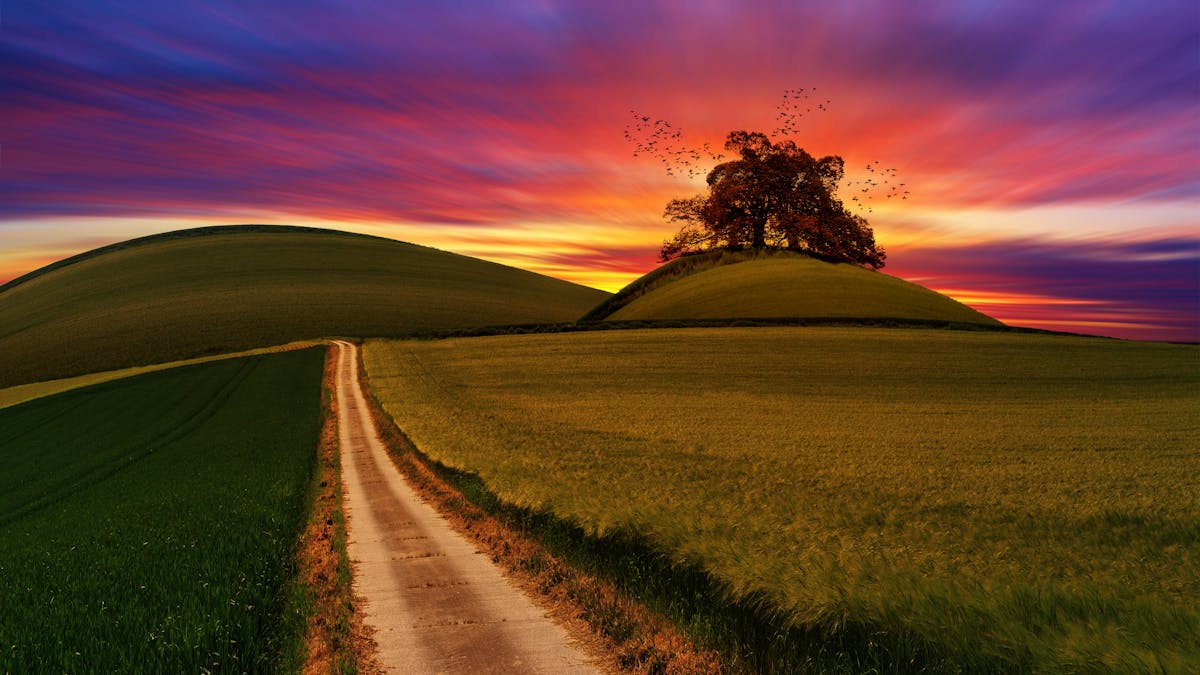
Rice Field Cycling
Pedal quiet village roads past stilt houses, pagodas and sugar palms — Battambang's Soksabike tours add silk weavers, potters and rice-paper makers.
Plan this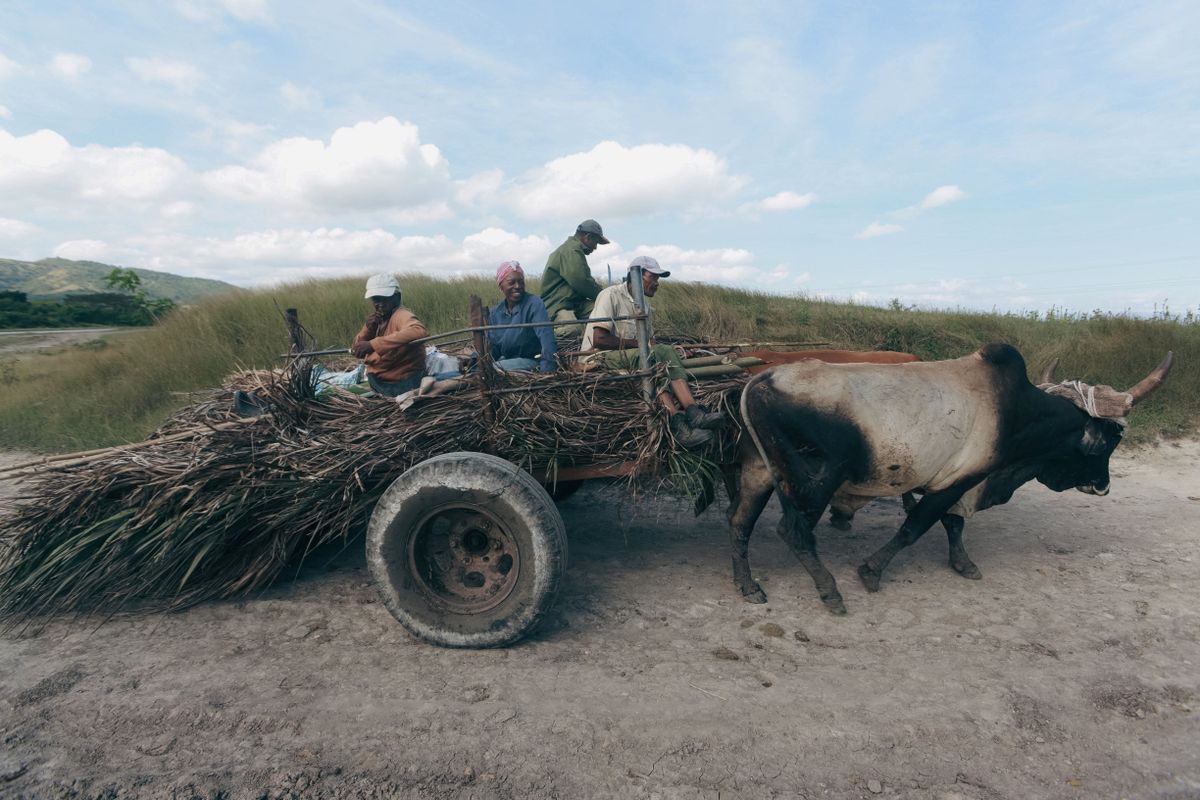
Ox Cart Rides
The slow, creaking pace that has carried Cambodians between fields and markets for centuries — a living tradition older than the Khmer Empire.
Plan this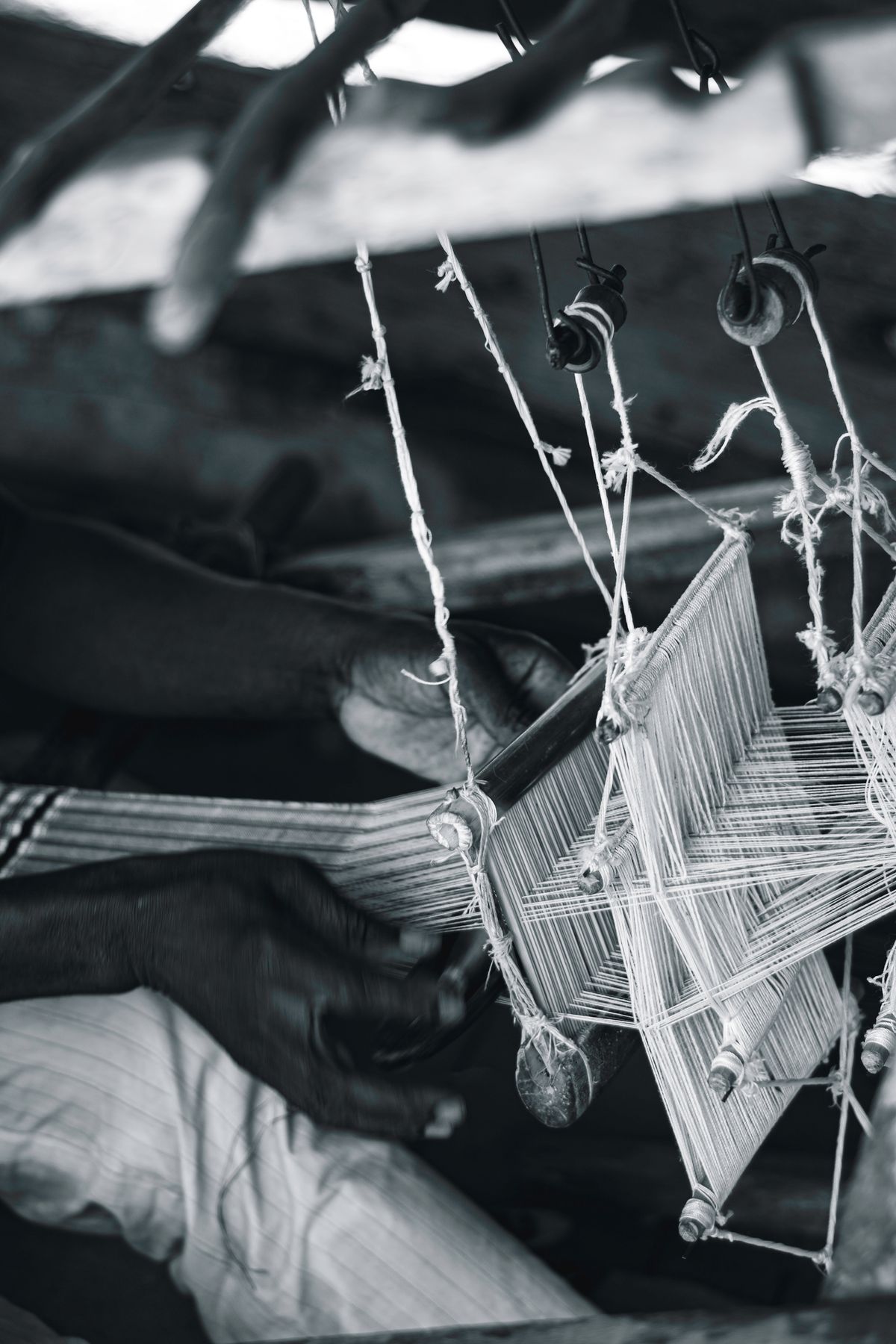
Silk Island (Koh Dach)
A car-free Mekong island where weavers work wooden looms producing krama and sampot — a complete village half-day from the capital, no overnight needed.
Plan this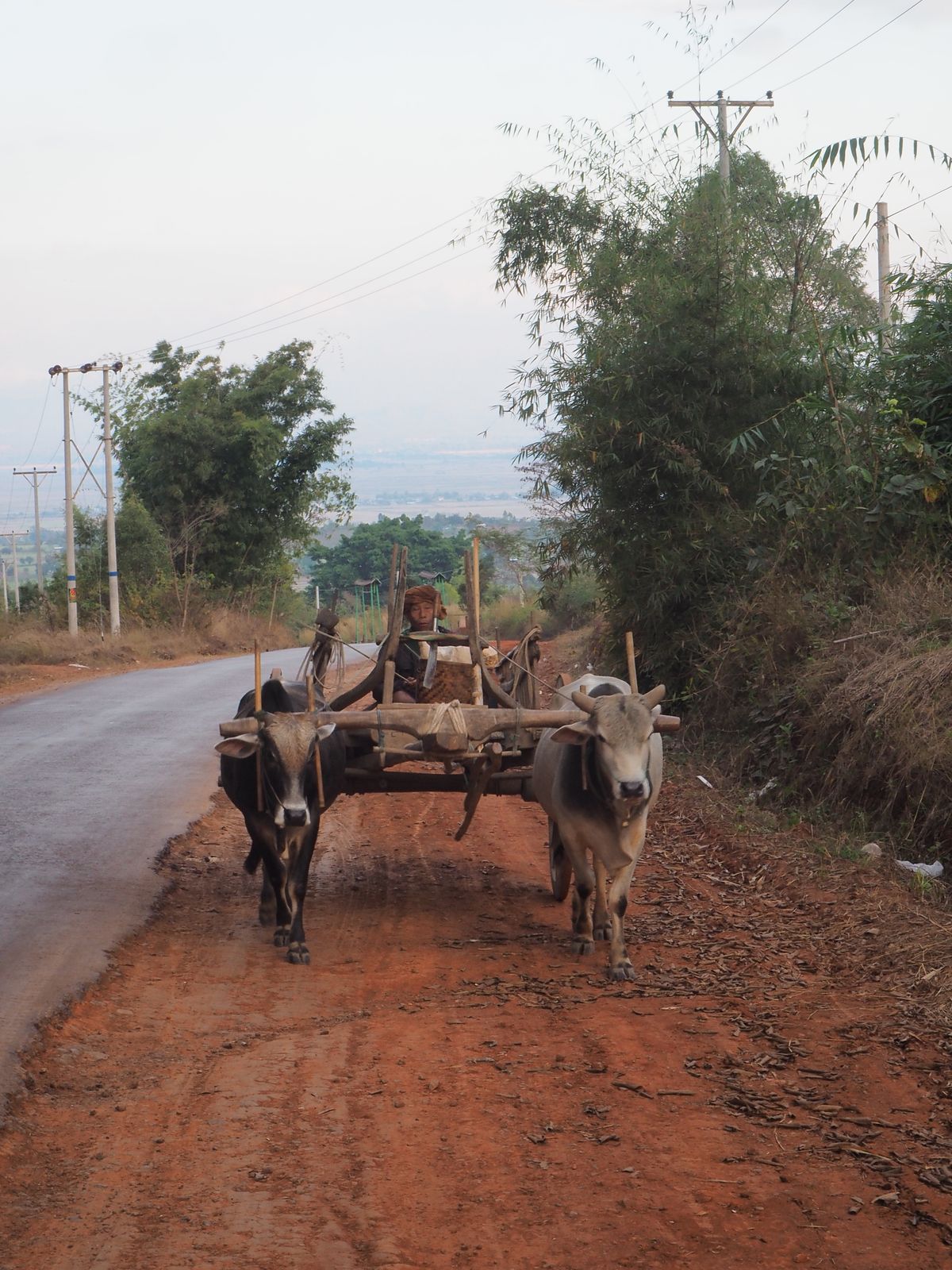
Ethnic Minority Villages
Stilt longhouses, animist traditions and highland coffee among the Tampuan, Kreung, Jarai and Phnong — and the Phnong's historic elephant culture.
Plan thisVillage experiences, by price
Per person, roughly — among the most affordable and most rewarding travel in Cambodia.
Travel that changes a village
Travel that funds the village
Cambodia's 2026 Tourism Roadmap makes community-based tourism a strategic priority — directing revenue to villagers who guide, cook and host instead of large hotel corporations. At Chi Phat, former poachers became conservation guides; at Chambok, a logged forest is now protected because it's worth more standing. Your visit is the reason.
Village experiences at a glance
| Experience | Location | Duration | Best for |
|---|---|---|---|
| Village Homestay | Nationwide | 1–3 nights | Deep cultural immersion |
| Bamboo Train | Battambang | 30–45 mins | All travellers |
| Rice Field Cycling | Siem Reap · Battambang · Kampot | Half / full day | Active travellers, families |
| Chi Phat Ecotourism | Cardamom Mountains | 2–5 days | Conservation-minded |
| Chambok Homestay | Kampong Speu | 1–2 nights | Eco-travellers, families |
| Banteay Chhmar Homestay | Northwest Cambodia | 1–2 nights | Heritage + village combo |
| Silk Island | Phnom Penh | Half day | City travellers, textile lovers |
| Ethnic Minority Villages | Ratanakiri · Mondulkiri | 1–3 days | Off-the-beaten-path |
| Ox Cart Rides | Siem Reap countryside | 1–2 hours | Families, cultural travellers |
| Palm Sugar Farm | Siem Reap countryside | 2–3 hours | Food-interested travellers |
Cambodia village FAQ
What is a Cambodian village homestay like?
How much does a village homestay cost?
What is the Bamboo Train and where do I ride it?
Which community-based tourism sites are best?
Can I take part in the rice harvest?
Stay in a village
Tell us how deep you want to go — a single Bamboo Train afternoon, a cycling day through the paddies, or a few nights living with a Khmer family — and our local specialists will arrange a genuine, community-first village experience.