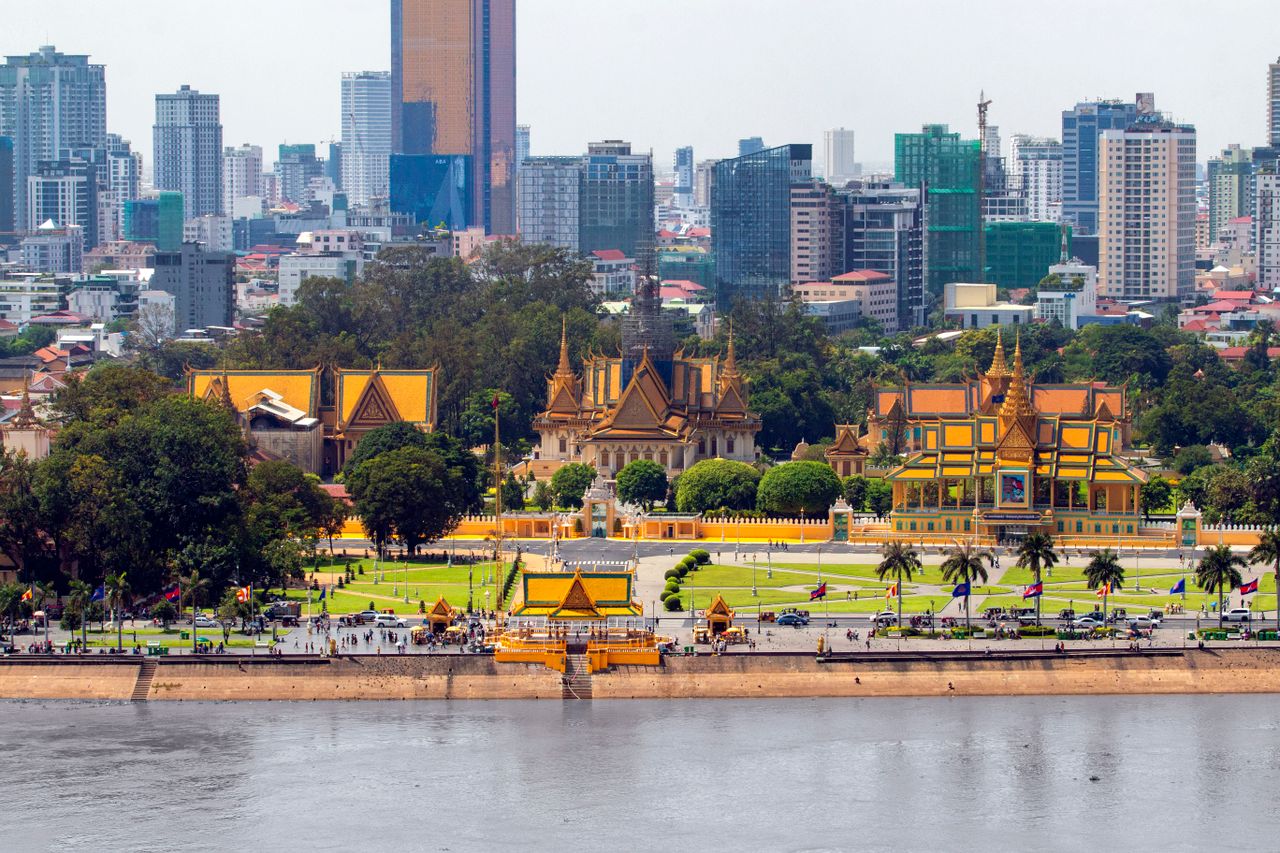
Royal Palace & Silver Pagoda
Phnom Penh's living royal heritage since 1866 — the Throne Hall, palace gardens, and a Silver Pagoda guarding a solid-gold Buddha set with 2,086 diamonds.
From sunrise over Angkor Wat to the lost jungle capitals of the Khmer Empire — guided journeys through 1,200 years of living history and all five of Cambodia's UNESCO World Heritage Sites.
Angkor spans 400+ km² with over 70 major temples, crowned by Angkor Wat — the world's largest religious monument. Sunrise here is the anchor of any heritage trip.
From Angkor (1992) to the 2025 memorial sites, Cambodia holds five inscriptions — a complete heritage trail few operators bring together.
Our guides turn ancient stone into living story — the carvings, the kings, and the cosmology behind every temple you visit.
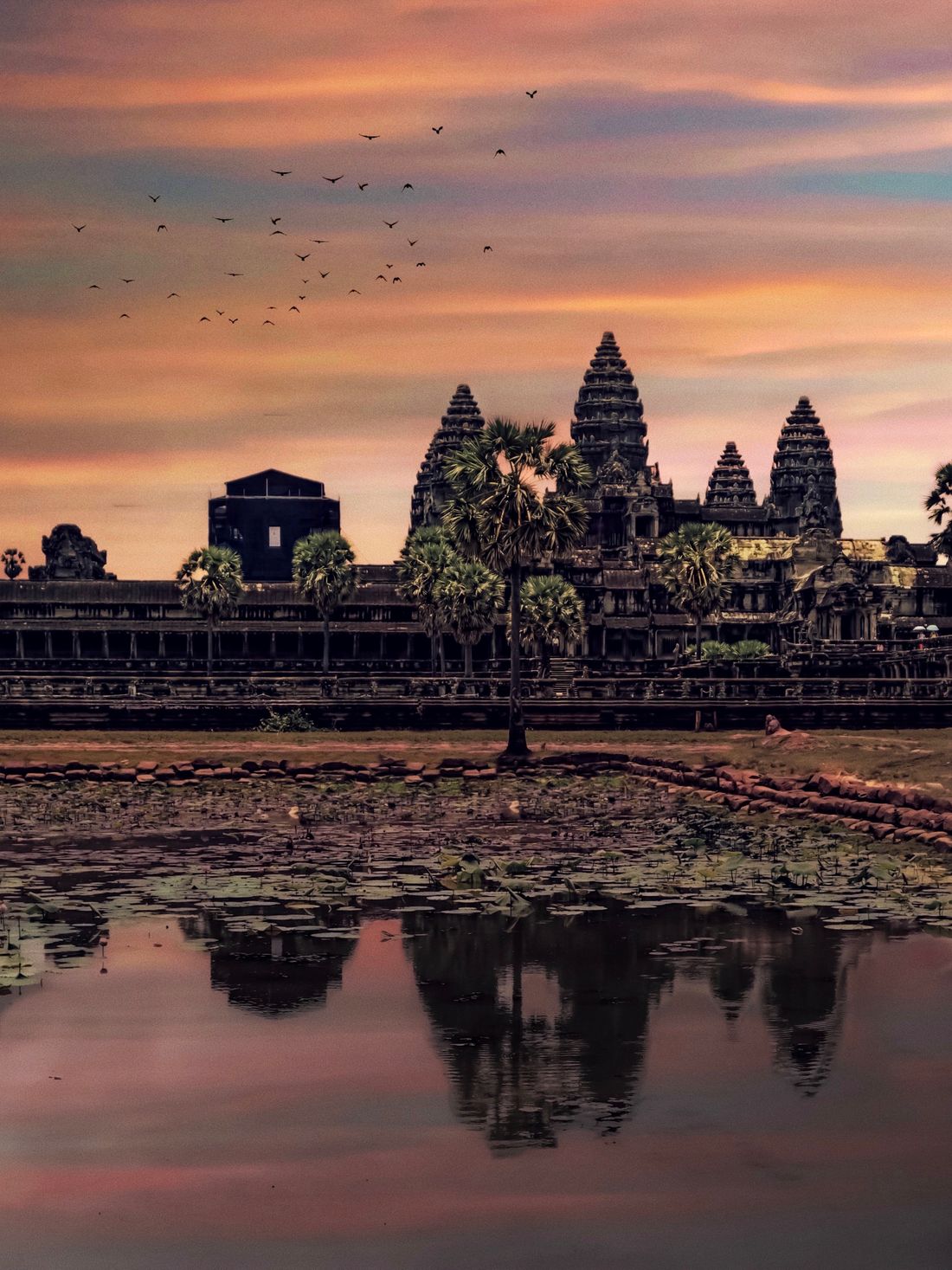
The icons of the Angkor Archaeological Park — best experienced early, with a guide who can read the stone.
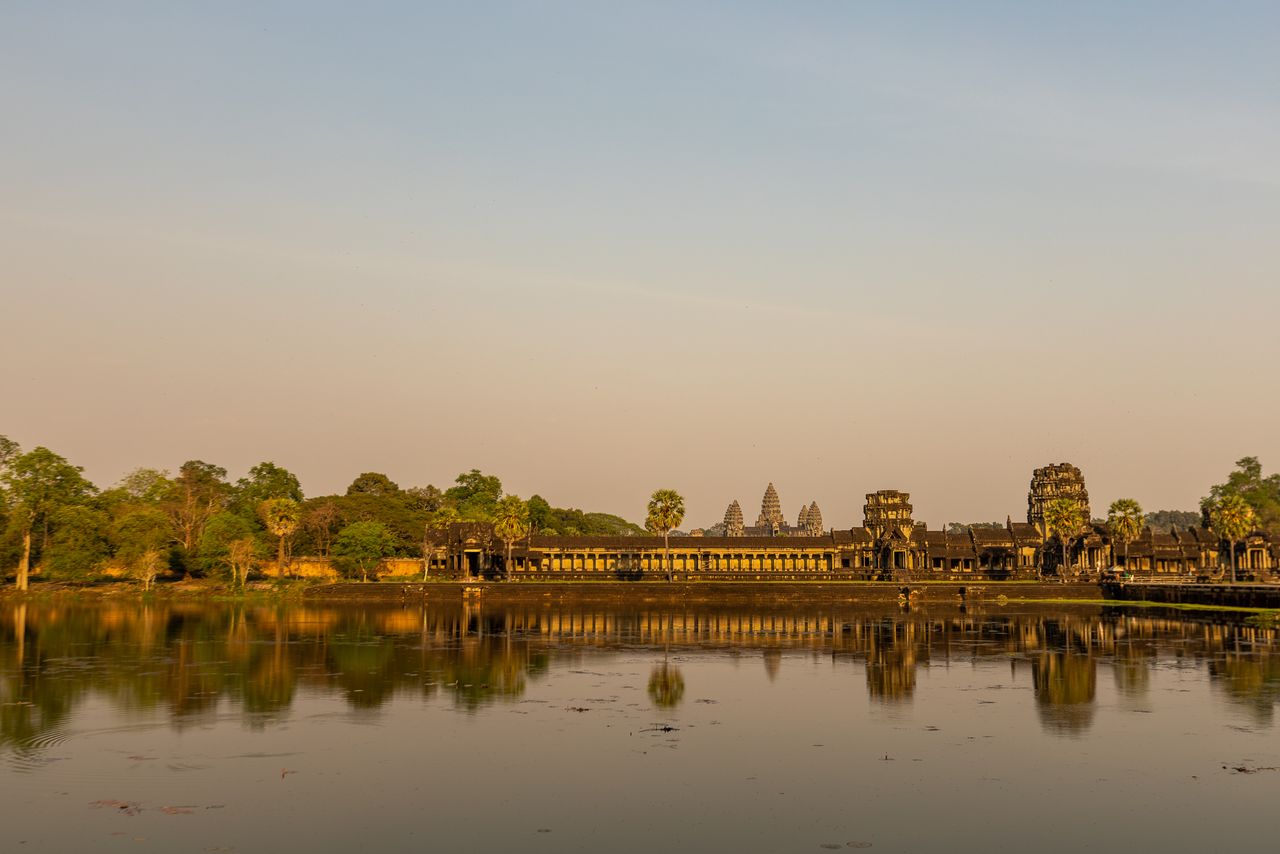
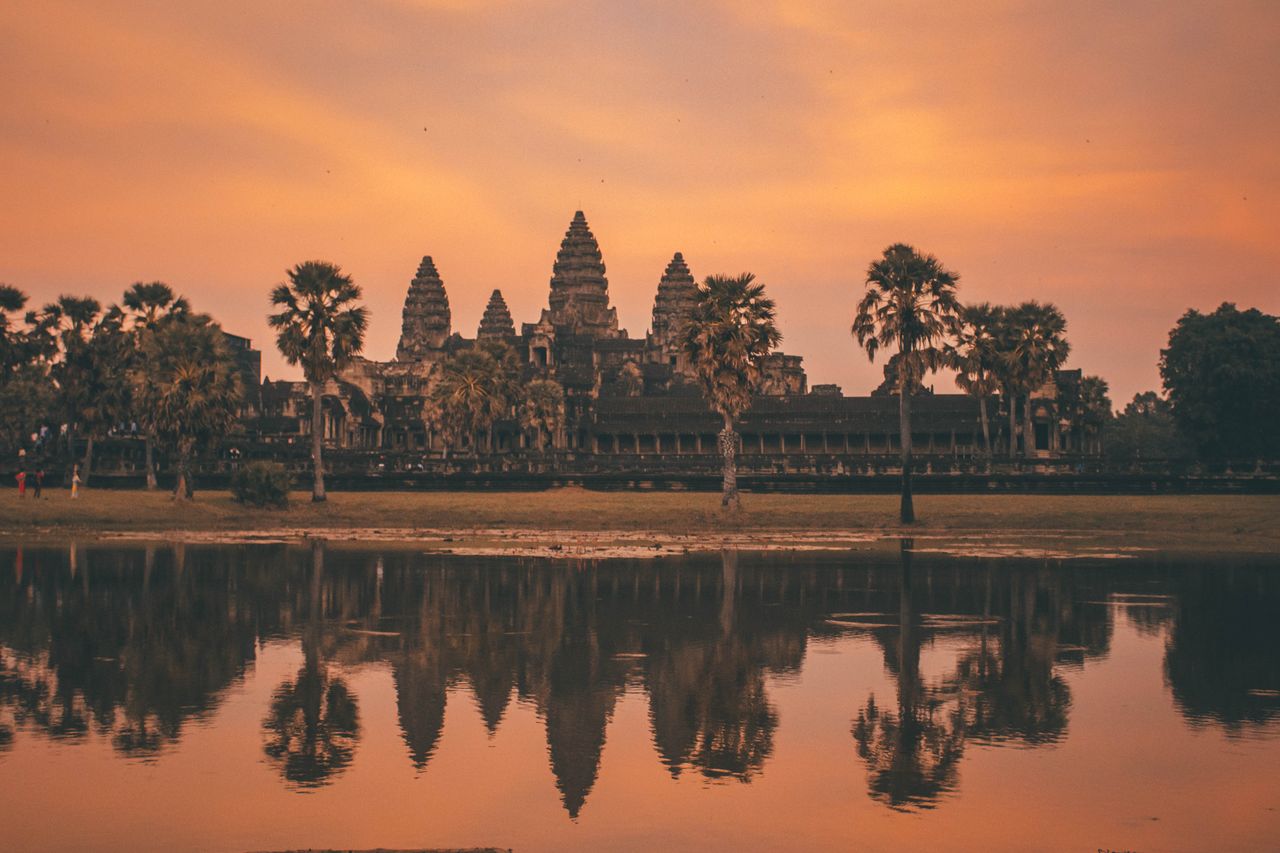
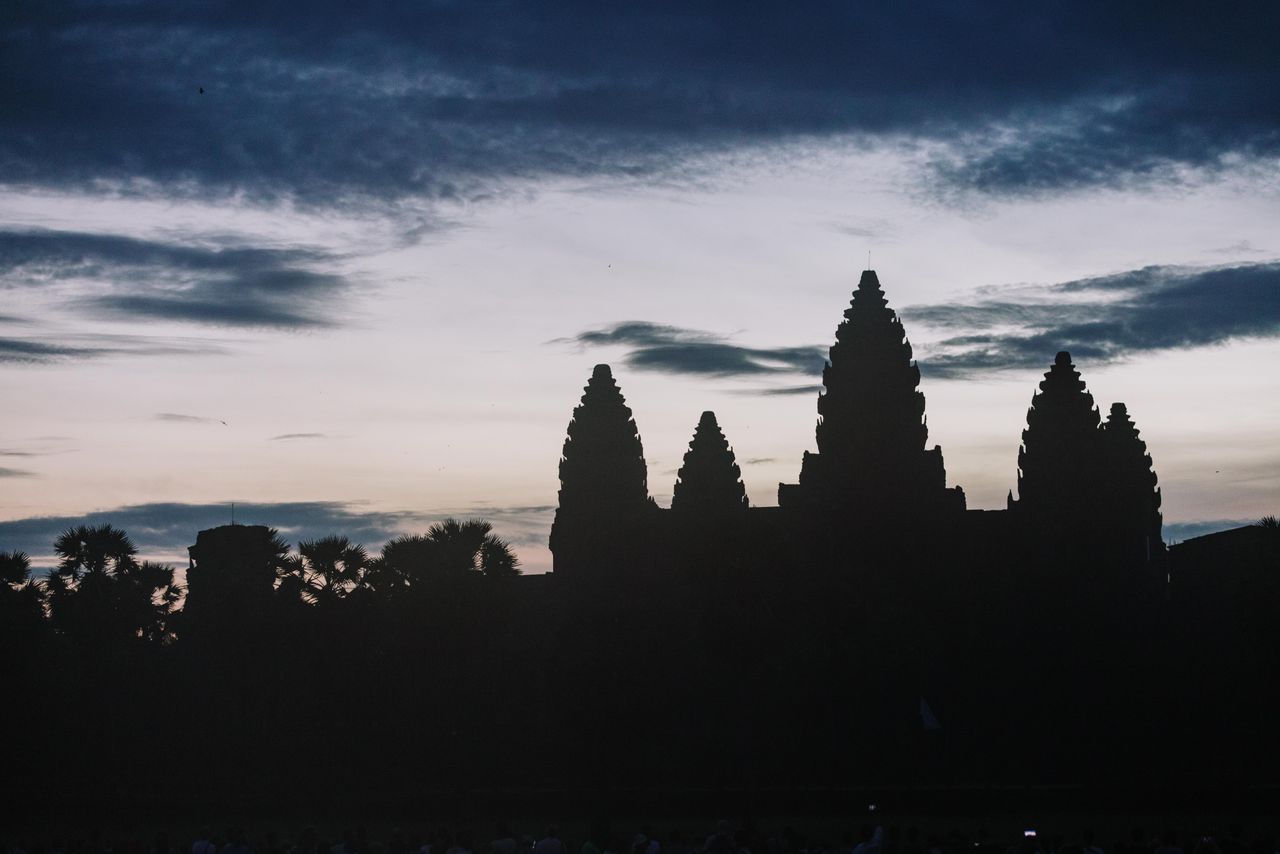
The most-booked experience in all of Cambodia. Built in the early 12th century by King Suryavarman II — first to Vishnu, later Buddhist — Angkor Wat is the largest religious monument in the world. Arrive before 5:00 AM to claim a reflection spot at the pond as golden light fills the five towers, then trade crowds for the pyramid of Pre Rup at dusk.
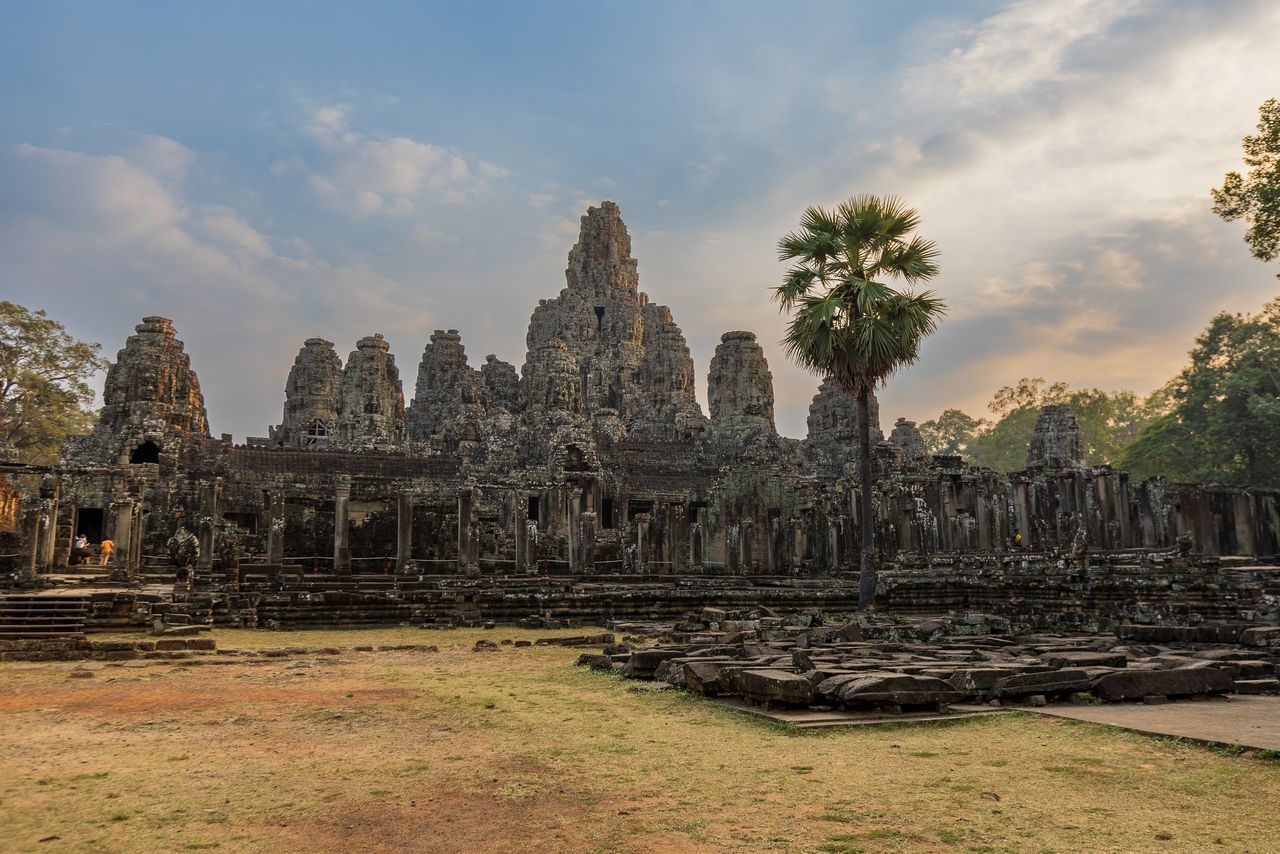
The last great capital of the Khmer Empire, ringed by an 8-metre wall and entered through five face-topped gates. At its heart, King Jayavarman VII's Bayon stares back with 216 serene stone faces across 54 towers. Add the 350-metre Terrace of the Elephants and the Baphuon pyramid for the fullest day in Angkor.
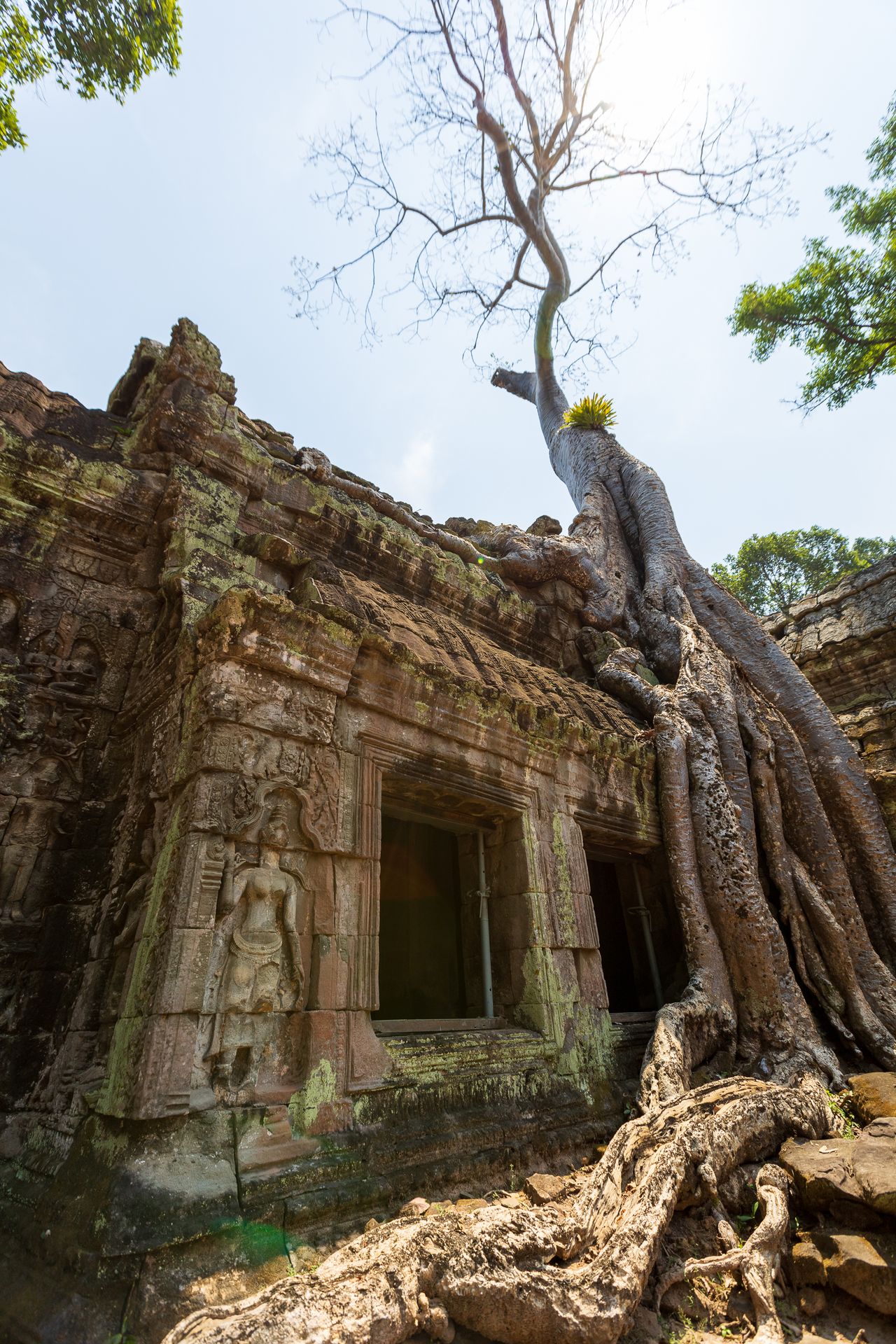
Left much as 19th-century explorers found it, Ta Prohm is where silk-cotton and strangler fig roots pour through the galleries — nature and architecture fused over centuries. Once home to 615 dancers and a working monastery, it found global fame as the "Tomb Raider" temple. Go early to walk the maze-like ruins before the crowds.
For travellers chasing solitude, photography and that genuine Indiana-Jones feeling.
The "Citadel of Women" — 10th-century pink sandstone with the finest, most delicate carvings in all of Khmer art.
40 km E of Siem ReapA largely unrestored jungle ruin of moss-covered blocks and collapsed galleries — Angkor as it was first rediscovered.
2.5 hrs from Siem ReapUNESCO-listed in 2023 — a brief Khmer capital crowned by the 40-metre Prasat Thom jungle pyramid, often explored in solitude.
Remote northern CambodiaOne of the largest, least-visited Khmer complexes — extraordinary bas-reliefs and multi-faced towers, best on a multi-day circuit.
Few travellers know Cambodia has five — together they form a complete heritage trail across 1,400 years of history.
The spiritual heart of Cambodia and the most-visited heritage site in Southeast Asia.
A 10th-century temple perched on a 525-metre plateau on the Dangrek escarpment.
Pre-Angkorian Chenla capital — more than 100 brick temples with rare octagonal forms.
A former rival Khmer capital crowned by the dramatic Prasat Thom pyramid.
Tuol Sleng (S-21) and Choeung Ek, recognised as sites of memory and remembrance.
We're one of the only operators designing a single itinerary across all five of Cambodia's World Heritage Sites — built for travellers who want the whole story, not just the postcard.
Phnom Penh's living royal heritage since 1866 — the Throne Hall, palace gardens, and a Silver Pagoda guarding a solid-gold Buddha set with 2,086 diamonds.
The birthplace of the Khmer Empire, where the empire was declared in 802 AD — plus a 1,000-year-old riverbed carved with sacred lingas and Hindu gods.
Cambodia's best-preserved French colonial city — riverside facades, cave pagodas at Phnom Sampeau, and the improvised Bamboo Train through the rice fields.
Cambodia's most emotionally significant heritage experience — and a UNESCO site since 2025. At the Tuol Sleng Genocide Museum (S-21), a former school turned prison, visitors walk the same halls as those held here between 1975 and 1979. At Choeung Ek, 15 km from Phnom Penh, a memorial stupa honours the victims. We arrange these visits with experienced guides and ample time, treating them with the dignity and context they deserve rather than as a quick stop.
| Site | Location | UNESCO | Key feature |
|---|---|---|---|
| Angkor Wat | Siem Reap | 1992 | World's largest religious monument |
| Bayon Temple | Siem Reap | 1992 | 216 enigmatic stone faces |
| Ta Prohm | Siem Reap | 1992 | Jungle-wrapped "Tomb Raider" ruins |
| Banteay Srei | Siem Reap | 1992 | Pink sandstone — finest Khmer carvings |
| Koh Ker | 2.5 hrs from Siem Reap | 2023 | 40 m jungle pyramid — former capital |
| Sambor Prei Kuk | Kampong Thom | 2018 | Pre-Angkorian octagonal temples |
| Preah Vihear | Northern Cambodia | 2008 | Mountain-top temple, plateau views |
| Tuol Sleng & Killing Fields | Phnom Penh | 2025 | Genocide memorial & remembrance |
| Royal Palace & Silver Pagoda | Phnom Penh | — | Living royal heritage — gold Buddhas |
| Phnom Kulen & Kbal Spean | 48 km from Siem Reap | — | Birthplace of the Khmer Empire |
| Beng Mealea | 40 km from Siem Reap | — | Unrestored jungle ruin |
| Battambang | Western Cambodia | — | Colonial city + Bamboo Train |
Tell us what moves you — sunrise temples, lost jungle capitals, or the full UNESCO trail — and our Khmer specialists will craft a heritage itinerary made just for you.